

Introduction
When it comes to transporting gas safely and efficiently, HDPE gas pipe have become the preferred choice worldwide. Thanks to their durability, corrosion resistance, and flexibility, these pipes provide reliable performance in a wide range of gas distribution systems. In this article, we will explain what HDPE gas pipes are, explore their key properties and common uses, discuss important selection and installation considerations, and compare them with other piping materials to help you make informed decisions.
FAQs
1. What are HDPE gas pipe?
HDPE gas pipes are high-density polyethylene pipes specially designed and certified for transporting natural gas and other gases safely.
2. Are HDPE pipessafe for gas transportation?
Yes, when manufactured and installed according to standards, HDPE pipe provide safe, leak-free gas transportation.
3. Where are HDPE gas pipes commonly used?
They are widely used in residential, commercial, and industrial gas distribution networks.
4. Can HDPE pipes handle high pressures?
HDPE pipes are engineered to handle various pressure levels, depending on pipe thickness and classification.
5. How do HDPE pipes compare to metal pipes for gas?
HDPE pipes are corrosion-resistant, lighter, and easier to install than metal pipes, though selection depends on specific project needs.
What Are HDPE Gas Pipes? Key Properties
HDPE gas pipes are manufactured using high-density polyethylene resin and undergo rigorous testing to meet industry standards for gas transportation. Their key properties include:
- Corrosion Resistance: Unlike metal pipes, HDPE does not rust or corrode, ensuring longevity.
- Flexibility: HDPE pipes can bend around obstacles and reduce the need for fittings.
- High Impact Resistance: They withstand mechanical stresses during installation and operation.
- Chemical Resistance: HDPE is resistant to most chemicals found in soil and gas environments.
- Leak Tightness: Fusion welding creates seamless joints that prevent leaks.
- Lightweight: Easier to transport and install, reducing labor and equipment costs.
Together, these properties make HDPE an excellent material for safe and efficient gas pipelines.
Common Applications of HDPE Gas Pipes
Due to their benefits, HDPE gas pipes are widely used in:
- Residential Gas Supply: Safe delivery of natural gas to homes and apartment complexes.
- Commercial and Industrial Gas Networks: Fuel supply for factories, restaurants, and large buildings.
- Underground Gas Distribution: Flexible pipes minimize excavation and disruption.
- Rural and Remote Areas: HDPE’s durability suits challenging environments and difficult terrains.
- Temporary Gas Lines: Easy to install and relocate for construction or events.
This versatility makes HDPE pipes a trusted choice for many gas projects.
How to Choose the Right HDPE Gas Pipe
When selecting HDPE gas pipes, consider:
- Certification and Standards: Ensure pipes meet regional and international gas safety standards like ASTM, ISO, or EN.
- Pressure Rating: Match pipe SDR (Standard Dimension Ratio) to expected system pressure.
- Pipe Diameter: Choose based on flow requirements and installation constraints.
- Installation Environment: Consider soil type, temperature, and exposure conditions.
- Jointing Method: Butt fusion and electrofusion are common methods that affect installation ease and joint reliability.
Careful consideration ensures system safety, longevity, and performance.
Installation Tips for HDPE Gas Pipes
Proper installation is crucial for safety and efficiency. Keep the following in mind:
- Site Preparation: Clear trenches and avoid sharp rocks that may damage pipes.
- Handling: Use appropriate equipment to prevent pipe deformation or scratches.
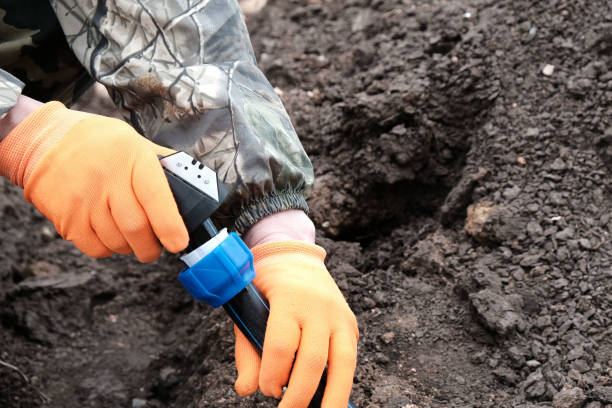
- Pipe Cutting: Make clean, square cuts with proper tools to ensure good joint connections.
- Jointing: Follow manufacturer guidelines for fusion welding—align pipes carefully and control heating times.
- Pressure Testing: Conduct thorough pressure tests before commissioning to detect leaks or weak joints.
- Backfilling: Use sand or fine soil to protect pipes and avoid damage from stones or heavy loads.
By following these steps, you can guarantee safe and efficient pipeline operation.
HDPE Gas Pipes vs Other Materials
| Feature | HDPE Gas Pipes | Steel Pipes | Copper Pipes |
|---|---|---|---|
| Corrosion Resistance | Excellent (no rust) | Poor (prone to corrosion) | Good |
| Weight | Lightweight | Heavy | Moderate |
| Flexibility | High (bends easily) | Low (rigid) | Low |
| Installation Speed | Faster (fusion welding) | Slower (welding/threading) | Moderate |
| Leak Risk | Low (seamless joints) | Moderate (welded joints) | Low |
| Cost | Generally lower | Higher | Higher |
This comparison shows why HDPE pipes are increasingly preferred, especially where corrosion and installation challenges exist.
Conclusion
To sum up, HDPE gas pipes provide a safe, durable, and efficient solution for transporting gas in a variety of settings. Their corrosion resistance, flexibility, and reliable jointing methods reduce maintenance needs and installation costs. By understanding key properties, selecting the right specifications, and following proper installation practices, you can ensure a high-performance gas distribution system that lasts for years.