

Introduction
HDPE pipe fittings have become essential in modern piping systems due to their durability, flexibility, and resistance to corrosion. Whether for water supply, gas distribution, or industrial applications, knowing the cost of HDPE fittings helps engineers, contractors, and buyers plan projects efficiently. The 2025 HDPE pipe fittings price list provides a clear overview of current market prices, trends, and factors influencing costs. This article guides you through common types, price ranges, applications, buying tips, installation considerations, and comparisons with other materials.
Frequently Asked Questions (FAQ)
1. Why are HDPE pipe fittings popular?
HDPE fittings resist corrosion, chemical damage, and temperature variations, making them ideal for long-term applications.
2. How often do prices change?
Prices fluctuate based on raw material costs, production demand, and market supply. Annual updates, like the 2025 price list, help buyers plan budgets.
3. Do different suppliers offer different prices?
Yes. Factors include production quality, certification, shipping, and bulk order discounts. Comparing multiple suppliers ensures cost efficiency.
4. Are custom sizes more expensive?
Custom fittings often cost more due to special manufacturing and design requirements.
5. How can I ensure I get a fair price?
Check multiple suppliers, verify quality standards, and consider lifecycle cost, not just initial price.
Definition and Features of HDPE Pipe Fittings
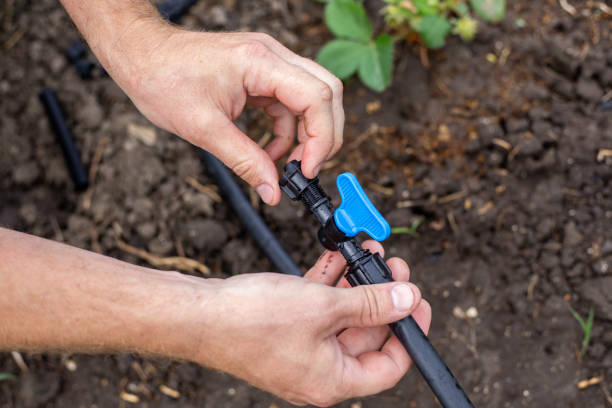
HDPE pipe fittings connect sections of high-density polyethylene pipes in various configurations. Common types include elbows, tees, couplings, reducers, flanges, and saddles.
Key features:
- Durability: Can last 50 years or more with minimal maintenance.
- Chemical Resistance: Suitable for water, gas, and certain industrial chemicals.
- Flexibility: Absorbs stress from ground movement or thermal expansion.
- Lightweight: Easier to handle and install compared to metal fittings.
- Leak-Free Connections: Fusion techniques create strong, permanent joints.
Reliable suppliers provide fittings that meet ISO, ASTM, or local standards to ensure safety and performance.
Common Types and Price Ranges in 2025
The 2025 price list reflects typical market rates for standard HDPE fittings. Prices vary depending on size, type, pressure rating, and manufacturer. Approximate ranges:
| Fitting Type | Typical Size | Price Range (USD) | Notes |
|---|---|---|---|
| Elbow | 20–160 mm | 1–15 | For changing pipe direction |
| Tee | 20–160 mm | 2–20 | For branch connections |
| Coupling | 20–160 mm | 1–10 | Joins two pipe sections |
| Reducer | 20–160 mm | 1.5–12 | Connects different diameters |
| Flange | 50–160 mm | 5–30 | For bolted connections |
| Saddle | 20–160 mm | 3–25 | For branch outlets |
Note: Prices fluctuate with raw HDPE resin cost and bulk order quantities.
Common Applications and Industries
HDPE pipe fittings serve multiple sectors:
- Water Supply: Municipal and industrial systems rely on leak-free connections.
- Irrigation: Farms use fittings for sprinkler and drip systems under varying pressures.
- Gas Distribution: Certified fittings ensure safe gas transport.
- Sewage and Wastewater: Resistant to chemicals and corrosion.
- Industrial Processes: Transport chemicals, slurry, and other fluids safely.
Understanding the application helps select the right fittings and predict costs accurately.
Buying Guide for HDPE Pipe Fittings
To maximize value and performance, consider these when buying:
- Material Quality: Ensure fittings use virgin HDPE resin.
- Certification: ISO, ASTM, or regional approvals ensure safety.
- Supplier Reputation: Trusted suppliers reduce risks of defects.
- Bulk Discounts: Larger orders usually lower per-unit cost.
- Customization Options: Needed for non-standard pipe sizes or unique projects.
- Price vs Lifespan: Consider total lifecycle cost, not just purchase price.
A well-informed purchase reduces maintenance, downtime, and replacement costs.
Installation Tips
Proper installation preserves fitting performance and safety:
- Fusion Techniques: Use butt or electrofusion for permanent joints.
- Clean Surfaces: Ensure pipes and fittings are free of dirt and moisture.
- Correct Alignment: Avoid stress on fittings by aligning pipes properly.
- Pressure Testing: Check all joints under operational pressure before full system use.
- Avoid Over-Tightening: Mechanical fittings should not be forced beyond specifications.
Following installation best practices extends service life and prevents leaks.
HDPE Fittings vs Other Piping Materials
Here’s a simple comparison showing why HDPE is preferred in many applications:
| Aspect | HDPE Fittings | Metal/Other Fittings |
|---|---|---|
| Durability | 50+ years | 20–40 years |
| Corrosion Resistance | Excellent | Susceptible to rust |
| Flexibility | High | Low, prone to cracking |
| Weight | Lightweight | Heavy |
| Installation | Fusion for leak-free joints | Threading or welding needed |
| Cost Efficiency | Low lifecycle cost | Higher maintenance and replacement |
HDPE fittings combine long life, low maintenance, and installation ease, making them a cost-effective choice.
Conclusion
The 2025 HDPE pipe fittings price list provides essential guidance for buyers, engineers, and project managers. By understanding types, prices, applications, and installation tips, you can select the right fittings from reliable suppliers while optimizing costs and performance. Proper planning, combined with high-quality HDPE fittings, ensures safe, efficient, and durable piping systems across industries.