
Introduction
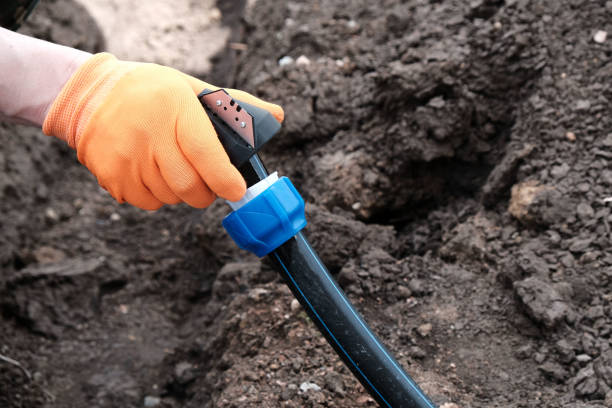
HDPE pipe saddle fittings are essential components in piping systems, enabling branches and connections without cutting or disrupting the main pipe. They provide reliable and leak-free connections for water supply, irrigation, gas distribution, and industrial pipelines. This guide explores HDPE saddle fittings’ types, features, applications, installation tips, buying considerations, and comparisons with other fittings, helping engineers, contractors, and buyers make informed decisions.
Frequently Asked Questions (FAQ)
1. What is an HDPE pipe saddle fitting?
An HDPE saddle fitting is a branch connector that attaches to a main HDPE pipe, allowing a new line to tap into the existing pipeline.
2. Where are saddle fittings commonly used?
They are widely used in water supply, irrigation, gas systems, and industrial fluid pipelines for adding branches or secondary connections.
3. Can saddle fittings handle high pressure?
Yes, certified HDPE saddle fittings can handle high-pressure pipelines when installed properly and matched with the correct pressure rating.
4. Are custom sizes available?
Many suppliers offer custom saddle fittings for specific diameters, angles, and pressure requirements.
5. How do I maintain saddle fittings?
Routine inspections, pressure testing, and keeping connections clean help maintain performance and prevent leaks.
Definition and Key Features of HDPE Pipe Saddle Fittings
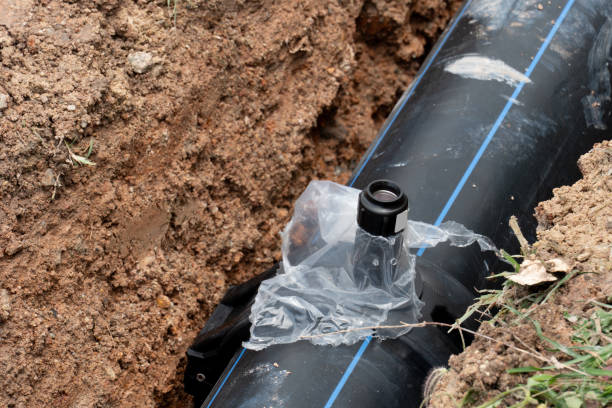
HDPE pipe saddle fittings are designed to create a secure branch from an existing HDPE pipe without fully cutting the main line. They typically consist of:
- Body: The main section that wraps around the pipe.
- Outlet: The branch connection point for the secondary pipe.
- Clamp or Fusion Area: Ensures a leak-proof connection to the main pipe.
Key Features:
- Durability: Resistant to chemicals, corrosion, and UV exposure.
- Leak-Free Performance: Fusion or mechanical attachment creates secure joints.
- Ease of Installation: Can be installed without extensive disruption of the main pipeline.
- Pressure Handling: Suitable for medium and high-pressure applications when rated correctly.
- Versatility: Available in various sizes, angles, and outlet configurations.
Reputable suppliers ensure fittings meet international standards such as ISO 4427 or ASTM, ensuring safety and long-term reliability.
Common Uses and Applications
HDPE pipe saddle fittings are versatile and used in multiple sectors:
- Water Distribution Systems: Branch connections in municipal and industrial water pipelines.
- Irrigation Networks: Adding secondary lines to main irrigation pipelines in farms or greenhouses.
- Gas Pipelines: Safe tapping into main gas lines when using certified pressure-rated saddle fittings.
- Industrial Piping: Chemical, slurry, and fluid transportation pipelines benefit from leak-free branch connections.
- Mining and Construction: Temporary or permanent branches for water or slurry systems.
Understanding the application ensures the correct type, size, and pressure rating are selected, optimizing performance and lifespan.
Buying Guide for HDPE Pipe Saddle Fittings
When selecting HDPE saddle fittings, consider:
- Material Quality: Choose fittings made from virgin HDPE resin for maximum durability.
- Pressure Rating: Ensure the fitting matches the main pipe’s operating pressure.
- Size Compatibility: Correct diameter and outlet size are essential for a secure connection.
- Angle and Type: Standard 90°, 45°, or customized angles should match project needs.
- Certification: ISO, ASTM, or local approvals ensure safe usage.
- Supplier Reputation: Trusted suppliers provide reliable products and technical support.
Following these criteria helps prevent leaks, failures, and costly maintenance in the future.
Installation Tips
Correct installation is critical for HDPE saddle fittings:
- Surface Preparation: Clean and smooth the main pipe where the fitting will attach.
- Fusion Method: Use electrofusion or saddle fusion kits for a leak-proof connection.
- Alignment: Ensure the outlet is correctly positioned to avoid stress on the joint.
- Pressure Testing: Test the connection under working pressure before full operation.
- Avoid Excessive Force: Do not overtighten clamps or mechanical fittings.
Proper installation ensures long-term reliability and minimizes system downtime.
HDPE Saddle Fittings vs Other Branch Connections
Here’s a text-based comparison showing the advantages of HDPE saddle fittings:
| Aspect | HDPE Saddle Fittings | Other Branch Connections |
|---|---|---|
| Durability | 50+ years, corrosion-resistant | Metal or PVC may corrode or crack |
| Installation | Quick, minimal disruption | Requires cutting or welding |
| Leak Resistance | High with proper fusion | More prone to leaks in threaded connections |
| Flexibility | Absorbs pipe movement | Rigid, less tolerant of ground shifts |
| Weight | Lightweight, easy to handle | Heavier materials require more labor |
| Cost Efficiency | Low lifecycle cost | Higher maintenance and replacement cost |
HDPE saddle fittings stand out for leak-free, flexible, and durable connections, especially in high-pressure or environmentally challenging systems.
Conclusion
HDPE pipe saddle fittings provide efficient, reliable solutions for branching pipelines in water, gas, industrial, and irrigation applications. Selecting high-quality fittings from reputable suppliers, considering pressure ratings and sizes, and following proper installation practices ensures long-term performance. Understanding features, applications, and comparisons with other branch fittings helps engineers and contractors make informed decisions, reduce maintenance costs, and improve system reliability.