
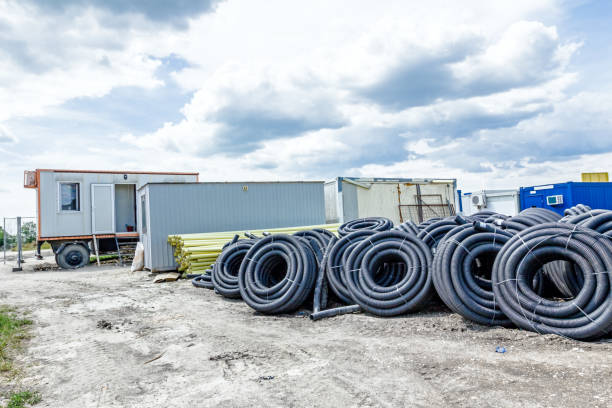
Introduction: Why Choosing the Right HDPE Pipe Manufacturer Matters
Selecting the right HDPE pipe manufacturer plays a crucial role in ensuring your piping system’s durability, efficiency, and safety. High-Density Polyethylene (HDPE) pipes serve numerous industries and applications due to their strength, flexibility, and resistance to corrosion. However, the quality of these pipes depends heavily on the manufacturer’s expertise, materials, and production standards. This guide helps you understand what to look for in an HDPE pipe manufacturer to make an informed choice that meets your project needs.
Frequently Asked Questions (FAQ)
1. What does an HDPE pipe manufacturer do?
An HDPE pipe manufacturer produces pipes made from high-density polyethylene, ensuring the pipes meet industry standards for strength, flexibility, and durability.
2. Why is it important to select a reputable HDPE pipe manufacturer?
A reliable manufacturer guarantees high-quality materials, consistent pipe dimensions, and compliance with safety and environmental regulations, reducing the risk of failure.
3. How can I verify the quality of an HDPE pipe manufacturer?
Check for certifications, quality control processes, material sourcing, and customer reviews. Also, verify the manufacturer’s experience and production capabilities.
4. What industries commonly use HDPE pipes?
Water supply, gas distribution, agriculture, sewage and drainage, telecommunications, and industrial fluid transport all frequently use HDPE pipes.
5. What support should I expect from an HDPE pipe manufacturer?
Manufacturers should provide technical documentation, installation guidance, after-sales service, and sometimes training to ensure proper use and longevity.

What Is an HDPE Pipe Manufacturer? Definition and Key Features
An HDPE pipe manufacturer specializes in producing pipes made from high-density polyethylene, a thermoplastic polymer known for its excellent mechanical properties. These manufacturers use advanced extrusion processes to create pipes in various sizes and pressure ratings. Key features of a reputable manufacturer include:
- Use of virgin PE materials, usually PE80 or PE100 grades
- Compliance with international and local standards (such as ISO 4427, ASTM D3035)
- State-of-the-art production facilities ensuring consistent pipe quality
- Rigorous quality control and testing procedures
- Ability to produce a wide range of products including pipes, fittings, and accessories
Common Uses and Application Industries of HDPE Pipes
HDPE pipes manufactured by trusted suppliers find wide applications due to their flexibility and resistance to chemicals and corrosion. Common uses include:
- Water Supply Systems: Municipal and rural water networks use HDPE pipes for clean, reliable water delivery.
- Gas Distribution: HDPE pipes ensure safe transport of natural gas due to their leak-free fusion joints.
- Agriculture: Farmers use HDPE pipes for irrigation, such as drip and sprinkler systems, benefiting from UV resistance and flexibility.
- Sewage and Drainage: HDPE’s chemical resistance suits wastewater and stormwater systems.
- Industrial Applications: Factories transport chemicals and fluids using HDPE pipes.
- Telecommunications: HDPE pipes protect underground cables from physical damage and moisture ingress.
How to Choose the Right HDPE Pipe Manufacturer: A Buying Guide
Selecting the right manufacturer is vital for ensuring pipe quality and project success. Here are key factors to consider:
- Material Grade: Verify if the manufacturer uses high-grade virgin PE100 or PE80 materials, with PE100 preferred for higher strength.
- Certifications: Look for compliance with ISO, ASTM, or regional standards to ensure product reliability.
- Product Range: Choose manufacturers offering a wide selection of pipe diameters, pressure classes, fittings, and accessories.
- Quality Control: Confirm the presence of testing protocols like hydrostatic pressure tests, tensile strength, and dimensional accuracy.
- Color and Identification: Proper color coding (e.g., blue for potable water, yellow for gas) helps in system organization and compliance.
- Production Capacity and Delivery: Ensure the manufacturer can fulfill your volume needs on time with proper packaging to avoid damage.
- Customer Service: Prefer manufacturers who provide technical support, installation guides, and after-sales assistance.
Installation Considerations for HDPE Pipes
Proper installation complements quality manufacturing and ensures longevity:
- Always clean pipe ends and fittings before joining.
- Use certified fusion welding techniques (butt fusion, electrofusion) for leak-proof joints.
- Avoid bending pipes beyond recommended radii to prevent damage.
- Conduct pressure testing before commissioning to detect any leaks.
- Follow manufacturer’s guidelines and safety protocols strictly.
- Train installation teams to maintain standards and reduce errors.
HDPE Pipe Manufacturer vs Other Pipe Manufacturers: A Comparison
| Feature | HDPE Pipe Manufacturer | PVC Pipe Manufacturer | Steel Pipe Manufacturer | Concrete Pipe Manufacturer |
|---|---|---|---|---|
| Material Flexibility | High | Low | Very low | None |
| Corrosion Resistance | Excellent | Moderate | Poor | Poor |
| Weight | Lightweight | Lightweight | Heavy | Very Heavy |
| Joint Integrity | Fusion-welded, seamless | Solvent welded or gasketed | Welded or threaded | Mortared joints |
| Product Range | Wide (pipes, fittings, accessories) | Moderate | Moderate | Limited |
| Lifespan | 50+ years | 30–50 years | 20–50 years | 50+ years |
| Environmental Impact | Recyclable, non-toxic | Less recyclable | High environmental impact | Moderate |
| Installation Ease | Easy | Moderate | Difficult | Difficult |
Conclusion: Making the Right Choice
Choosing the right HDPE pipe manufacturer is more than just buying pipes. It involves ensuring quality, compliance, and support that safeguard your project’s success and longevity. By focusing on material grades, certifications, product range, and after-sales support, you can select a manufacturer that delivers reliable HDPE pipes tailored to your application needs. This careful selection translates into durable piping systems that perform efficiently and safely for decades.