
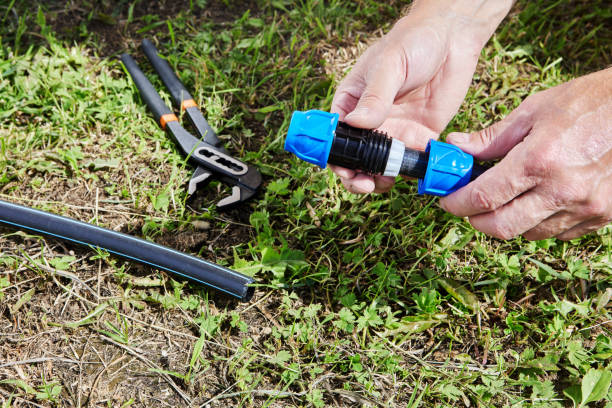
Introduction: Why Choose HDPE Sanitary Sewer Pipe?
HDPE sanitary sewer pipe has become a popular choice for municipal and industrial wastewater systems. Thanks to its durability, chemical resistance, and flexibility, HDPE pipe ensures reliable, leak-free sewage transport over long periods. This article explains what HDPE sanitary sewer pipe is, its key features, applications, and installation tips to help you understand why it stands out as a trusted solution.
FAQ – Frequently Asked Questions
1. What is HDPE sanitary sewer pipe?
It is a pipe made from high-density polyethylene specifically designed for sanitary sewer systems.
2. Why use HDPE for sewer pipes instead of traditional materials?
HDPE pipes resist corrosion, cracking, and chemical attack, offering longer service life and lower maintenance.
3. Can HDPE sewer pipes handle high pressure?
Yes, HDPE pipes are available in different pressure ratings suitable for typical sewer system pressures.
4. Are HDPE pipes safe for underground sewer applications?
Yes, they resist soil chemicals, abrasion, and ground movement, making them ideal underground.
5. How long do HDPE sanitary sewer pipes last?
With proper installation, HDPE pipes can last 50 years or more.
What Is HDPE Sanitary Sewer Pipe?
HDPE sanitary pipe is a robust piping system made from high-density polyethylene material. It offers excellent resistance to:
- Chemicals found in sewage
- Abrasion from solids and grit
- Soil and environmental stresses
Its flexibility allows it to adapt to ground shifts, while fusion welding creates seamless joints that prevent leaks and infiltration.
Key Features and Benefits
- Corrosion and Chemical Resistance: HDPE doesn’t rust or degrade when exposed to wastewater chemicals.
- Flexibility: HDPE bends without breaking, which helps prevent cracks during ground movement.
- Leak-Free Joints: Fusion welding produces strong, continuous joints that reduce infiltration and exfiltration.
- Lightweight: Easier handling reduces installation time and costs.
- Smooth Interior Surface: Minimizes friction, allowing wastewater to flow freely and reducing clogging risk.
- Long Service Life: Proven to last 50+ years under typical sewer conditions.

Common Applications
- Municipal Sanitary Sewer Systems: Main and lateral sewer lines benefit from HDPE’s durability.
- Industrial Wastewater Systems: Chemical resistance suits various industrial effluents.
- Stormwater Drainage: Flexible and corrosion-resistant pipes handle stormwater runoff.
- Residential Sewer Lines: HDPE adapts well to residential plumbing needs, including septic systems.
Installation Tips for HDPE Sewer Pipes
- Inspect pipes for damage before installation.
- Clean pipe ends before fusion welding.
- Use certified fusion equipment and trained technicians.
- Avoid sharp bends beyond manufacturer recommendations.
- Pressure test joints before backfilling.
- Protect pipes from heavy machinery loads during installation.
HDPE Sanitary Sewer Pipe vs Other Sewer Pipe Materials
| Feature | HDPE Pipe | PVC Pipe | Concrete Pipe | Cast Iron Pipe |
|---|---|---|---|---|
| Corrosion Resistance | Excellent | Good | Poor | Poor |
| Flexibility | High | Low | None | Low |
| Weight | Light | Light | Heavy | Heavy |
| Joint Leak Potential | Very Low | Medium | High | Medium |
| Chemical Resistance | Excellent | Moderate | Low | Low |
| Installation Cost | Low | Moderate | High | High |
| Lifespan (Years) | 50+ | 30–50 | 50+ | 20–40 |
Summary: The Smart Choice for Sanitary Sewers
HDPE sanitary sewer pipe offers a reliable, cost-effective, and durable solution for modern wastewater systems. Its combination of corrosion resistance, flexibility, and leak-proof joints ensures long-term performance while reducing maintenance. When designing or upgrading sewer infrastructure, HDPE pipe proves a smart investment for municipalities, industries, and contractors.