
Introduction
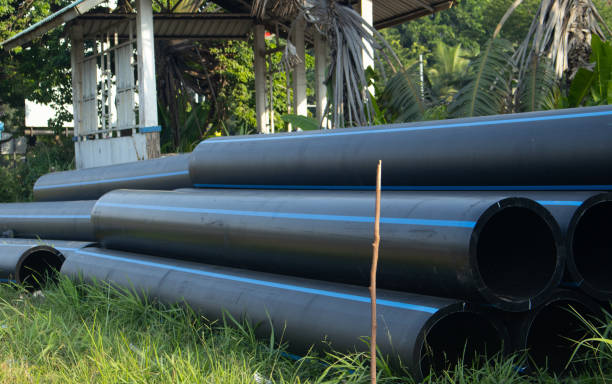
HDPE pressure pipe fittings are critical components in modern piping systems, designed to handle high-pressure water, gas, and industrial pipelines. They ensure leak-free, durable, and reliable connections that can withstand demanding conditions. This guide explains HDPE pressure pipe fittings’ definitions, types, applications, buying tips, installation guidelines, and comparisons with other piping materials. By understanding these aspects, engineers, contractors, and buyers can make informed decisions for efficient and safe piping systems.
Frequently Asked Questions (FAQ)
1. What are HDPE pressure pipe fittings?
HDPE pressure pipe fittings are components used to join, redirect, or branch high-density polyethylene pipes in systems that operate under pressure.
2. What makes them different from standard HDPE fittings?
They are designed to handle higher operating pressures and come with specific pressure ratings to ensure safety and durability.
3. Are they suitable for both water and gas systems?
Yes, certified HDPE pressure fittings can be used for potable water, gas distribution, and various industrial applications.
4. How do I select the right pressure rating?
Choose fittings based on the maximum working pressure of the system, pipe size, and environmental conditions.
5. Can these fittings be installed outdoors?
Yes, HDPE pressure fittings resist UV exposure, chemicals, and temperature variations, making them suitable for outdoor installations.


Definition and Key Features
HDPE pressure pipe fittings are specially designed to connect pipes that carry fluids or gases under pressure. They include elbows, tees, couplings, reducers, flanges, and saddles.
Key Features:
- High Pressure Resistance: Rated to handle pressures from medium to high levels, depending on the fitting type.
- Durability: Resistant to corrosion, chemicals, and environmental stress.
- Leak-Free Connections: Fusion techniques ensure strong, permanent joints.
- Flexibility: Absorbs stress from ground shifts, thermal expansion, or vibrations.
- Lightweight and Easy to Handle: Simplifies transportation and installation.
- Compliance with Standards: ISO, ASTM, and local certifications guarantee safety and reliability.
Reputable suppliers provide fittings that meet international pressure standards, ensuring safe and long-lasting pipeline performance.
Common Types and Applications
HDPE pressure pipe fittings are versatile and used in various industries:
- Water Supply Systems: Municipal and industrial water networks rely on pressure fittings for reliable flow and minimal leaks.
- Gas Distribution: Certified fittings maintain safety and prevent leaks in natural gas or LPG pipelines.
- Irrigation Systems: Farms use pressure-rated HDPE fittings for sprinklers and drip irrigation under high pressures.
- Industrial Fluid Transport: Chemical plants and factories transport fluids safely using high-pressure fittings.
- Sewage and Wastewater Systems: Resistant to chemicals and pressure, these fittings help maintain efficiency.
Selecting the correct fitting type, pressure rating, and size ensures long-term reliability and safety.
Buying Guide for HDPE Pressure Pipe Fittings
When purchasing HDPE pressure pipe fittings, consider the following:
- Material Quality: Ensure the fittings use virgin-grade HDPE for maximum strength.
- Pressure Rating: Verify that the fitting matches the system’s working pressure.
- Size and Compatibility: Choose fittings compatible with the main pipeline diameter.
- Certification: ISO, ASTM, or local approvals ensure reliability.
- Supplier Reputation: Trusted suppliers offer quality products and technical guidance.
- Bulk Orders and Customization: For large projects, ensure suppliers can provide volume and custom specifications.
By following these guidelines, you can avoid leaks, failures, and additional maintenance costs.
Installation Tips
Proper installation guarantees optimal performance:
- Clean the Pipes: Ensure the pipe ends and fittings are free from dirt or moisture.
- Use Proper Fusion Methods: Butt or electrofusion ensures leak-proof joints.
- Align Pipes Correctly: Prevent stress on the joints for long-term durability.
- Pressure Testing: Test the system under operational pressure before regular use.
- Avoid Over-Tightening: For mechanical fittings, excessive force can cause deformation.
Correct installation reduces maintenance, prevents leaks, and ensures system longevity.
HDPE Pressure Fittings vs Other Materials
Here is a comparison of HDPE pressure fittings with other piping materials:
| Feature | HDPE Pressure Fittings | Metal/PVC Fittings |
|---|---|---|
| Pressure Resistance | High, certified ratings | Varies, may corrode or crack under high pressure |
| Durability | 50+ years | 20–40 years, depends on material |
| Corrosion Resistance | Excellent | Metals corrode, PVC may degrade |
| Flexibility | High | Rigid, less tolerant of stress |
| Weight | Lightweight | Heavy, more labor-intensive |
| Installation | Fusion or mechanical | Threading, welding, or adhesives |
| Cost Efficiency | Low lifecycle cost | Higher maintenance and replacement costs |
HDPE pressure fittings offer long-term performance, lower maintenance, and easier installation compared to traditional materials.
Conclusion
HDPE pressure pipe fittings are essential for safe, reliable, and durable piping systems in water, gas, irrigation, and industrial applications. Selecting high-quality fittings from reputable suppliers, considering pressure ratings, sizes, and proper installation practices ensures optimal performance. By understanding types, applications, buying tips, and comparisons with other materials, contractors and engineers can implement efficient, long-lasting, and cost-effective pipelines.