
Introduction
In 2025, the demand for HDPE pipes continues to rise globally, driven by infrastructure upgrades, agricultural modernization, and industrial expansion. However, as the market grows, so does the interest in HDPE pipe price—a crucial factor for contractors, suppliers, and project managers alike.
Understanding the latest HDPE pipe price trends and what factors influence them can help buyers make informed purchasing decisions and plan more effectively. In this article, we’ll explore current pricing patterns, key cost drivers, and what to expect in the near future.
FAQ – Common Questions About HDPE Pipe Pricing
1. What is the average price of HDPE pipes in 2025?
Prices typically range from $0.50 to $3.00 per foot depending on diameter, SDR rating, and region.
2. Why do HDPE pipe prices vary so much?
Factors include raw material costs, pipe size, wall thickness (SDR), transportation, and regional demand.
3. Are HDPE pipes cheaper than PVC or steel?
Generally yes, especially when considering lifecycle cost and installation efficiency.
4. Can buying in bulk reduce the cost?
Absolutely. Suppliers often offer discounts for bulk orders, especially for construction or agricultural projects.
5. Do certification and standards affect price?
Yes. Pipes complying with standards like ASTM D3035 or ISO 4427 often have higher prices due to quality assurance.
2025 HDPE Pipe Price Overview
So far in 2025, HDPE pipe prices have shown moderate fluctuations. While global supply chains have largely stabilized after previous disruptions, oil-based resin prices (which HDPE is made from) continue to play a major role.
On average:
- 1-inch HDPE pipe (SDR11): $0.90–$1.30 per foot
- 2-inch HDPE pipe: $1.50–$2.20 per foot
- 4-inch HDPE pipe: $2.80–$3.50 per foot
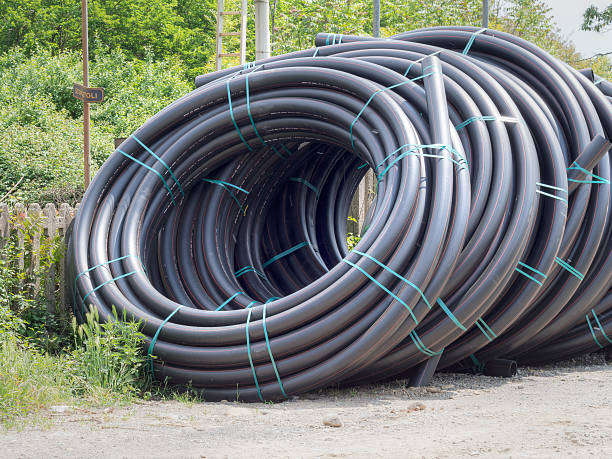
- Coils (for irrigation): often priced by the roll, with 100m coils ranging from $80–$200
Note: Prices can vary significantly depending on the region, availability, and supplier terms.


Factors Influencing HDPE Pipe Costs
Understanding what affects HDPE pipe prices helps avoid surprises during procurement. Below are the key elements:
1. Raw Material Costs
HDPE is made from petroleum-based resins. Crude oil price volatility directly affects HDPE resin prices, impacting pipe production costs.
2. Pipe Diameter and SDR Rating
Larger diameter pipes and lower SDR (higher wall thickness) require more material and energy to produce, which increases cost.
3. Production Standards and Certifications
Pipes that meet global standards (ASTM, ISO, EN) or carry NSF or WRAS approvals are often priced higher due to added testing and quality control.
4. Transportation and Logistics
Long-distance transport, especially for large and heavy pipes, adds to the final price. This is particularly true for rural or international shipments.
5. Market Demand
Regions with ongoing infrastructure projects or agricultural reforms may see increased prices due to high demand.
6. Supply Chain Conditions
Availability of HDPE resin, factory lead times, and labor shortages can all contribute to price adjustments.
7. Customization
Special color coding, pre-welded joints, UV stabilization, or branding can also increase pipe prices.
Regional HDPE Pipe Price Differences in 2025
Prices vary greatly across countries and regions. Here’s a rough comparison:
| Region | Price Range (per foot, avg) | Notes |
|---|---|---|
| United States | $0.80 – $3.50 | Strong local supply, fluctuating resin prices |
| Europe | €1.20 – €3.80 | High quality standards, energy costs impact |
| Southeast Asia | $0.60 – $2.50 | Cost-effective, strong export activity |
| Middle East | $0.70 – $2.80 | Resin-rich, local production supports pricing |
| Africa | $0.90 – $3.00 | Dependent on imports, variable supply |
Always check with local distributors or manufacturers for updated price lists.
How to Get the Best Price for HDPE Pipes
To keep costs under control while maintaining quality, follow these tips:
- Buy in Bulk: Order larger quantities to leverage volume discounts.
- Compare Suppliers: Don’t settle for the first quote—evaluate multiple vendors.
- Request Certifications: Confirm compliance with standards before ordering.
- Check Local Production: Pipes manufactured closer to your site may reduce transportation costs.
- Time Your Purchase: Avoid peak construction seasons when demand (and prices) are higher.
- Consider Alternatives: For certain low-pressure systems, PPR or PVC may be cheaper alternatives.
HDPE Pipe vs Other Pipes: Cost Perspective
| Pipe Type | Initial Cost | Maintenance | Lifespan | Flexibility | Corrosion Resistance |
|---|---|---|---|---|---|
| HDPE | Moderate | Low | 50+ yrs | High | Excellent |
| PVC | Low | Moderate | 30–40 yrs | Low | Good |
| Steel | High | High | 40–60 yrs | Very Low | Poor |
| PPR | Low | Low | 25–50 yrs | Moderate | Very Good |
From a total cost of ownership view, HDPE pipes offer one of the best balances between upfront investment and long-term durability.
Conclusion
As 2025 progresses, HDPE pipe prices remain largely stable with some region-specific fluctuations. For anyone involved in plumbing, irrigation, municipal works, or industrial systems, staying informed about these trends is essential.
By understanding what drives pricing—from raw materials to regional demand—you can budget smarter, plan more accurately, and avoid unexpected costs. Whether you're buying a few coils or outfitting an entire infrastructure network, HDPE pipes continue to offer excellent value in terms of longevity, performance, and adaptability.