

Introduction
When it comes to modern piping systems, Durable HDPE tubing—short for high-density polyethylene tubing—has quickly become a preferred choice across many industries. Thanks to its exceptional strength, flexibility, and resistance to chemicals and environmental stress, it offers a reliable solution for a wide range of applications. Whether you're dealing with potable water distribution, agricultural irrigation, or industrial fluid transport, HDPE tubing delivers consistent performance over the long term.
Moreover, its durability and ease of installation make it suitable for both above-ground and underground systems. Unlike traditional materials that may corrode or crack over time, HDPE adapts well to tough conditions while requiring minimal maintenance. In the sections that follow, we will take a closer look at the key characteristics of HDPE tubing, its main advantages, typical use cases, how to install it properly, and how it compares with other piping materials on the market.
FAQ – Common Questions About Durable HDPE tubing
To better understand how HDPE tubing works and why it’s widely used, here are answers to some frequently asked questions:
1. What does HDPE tubing stand for?
HDPE stands for High-Density Polyethylene. It's a thermoplastic known for its high strength-to-density ratio, commonly used in fluid transport systems.
2. Can HDPE tubing be used for drinking water?
Yes. HDPE tubing is approved for potable water applications and meets important international standards like NSF/ANSI 61 and ISO 4427.
3. Is HDPE tubing flexible?
Absolutely. HDPE is flexible enough for curved installations yet strong enough to resist cracking, fatigue, and deformation.
4. How long does HDPE tubing last?
When properly installed and maintained, HDPE tubing can last over 50 years, even in harsh environmental conditions.
5. How do you connect HDPE tubing?
Common connection methods include compression fittings, heat fusion welding, and mechanical couplings, depending on the size and pressure requirements.
What Is HDPE Tubing?
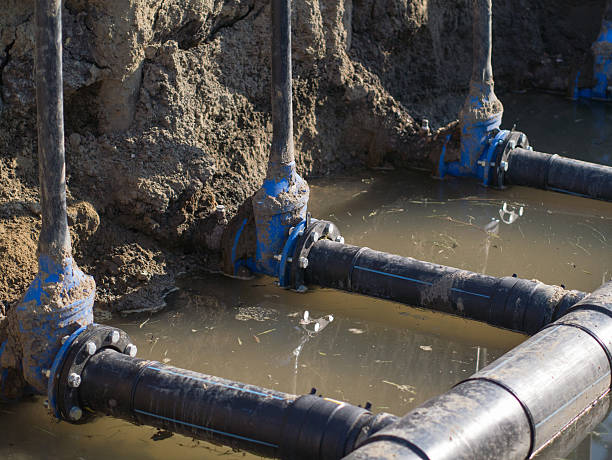
Before diving into its benefits, let’s define what HDPE tubing actually is. HDPE tubing is made from high-density polyethylene resin, a thermoplastic material known for its strength and chemical resistance. The tubing is extruded into various sizes and pressure ratings, making it suitable for different low- and high-pressure applications.
Because of its durability and lightweight nature, HDPE tubing is often used in place of heavier or more corrosion-prone materials like metal or PVC. Its smooth interior surface ensures a low friction coefficient, reducing energy loss in fluid systems.

Key Features and Advantages
One of the main reasons HDPE tubing has grown in popularity is due to its wide array of performance benefits. Here are some of the most notable:
- Chemical Resistance: It can handle a wide range of chemicals, acids, and industrial fluids without degrading.
- Corrosion-Free: HDPE does not rust or corrode, making it ideal for long-term water and fluid systems.
- UV-Resistant: Black HDPE tubing is stabilized against UV rays, allowing for outdoor use without degradation.
- Flexible Yet Durable: It accommodates ground movement and temperature shifts without cracking.
- Smooth Interior: Reduces pressure loss and prevents buildup inside the pipe.
- Leak-Free Connections: Compatible with fusion welding and compression fittings to ensure secure joints.
- Long Service Life: With proper installation, HDPE tubing can operate for more than 50 years.
- Eco-Friendly: HDPE is non-toxic, recyclable, and safe for drinking water systems.
Clearly, these advantages make HDPE tubing an ideal solution for many demanding environments.
Common Applications of HDPE Tubing
Because of its versatile properties, HDPE tubing finds applications in a wide range of industries. Let’s explore where and how it’s commonly used:
- Potable Water Supply: Used in municipal, residential, and commercial water distribution systems.
- Agricultural Irrigation: Employed in drip and sprinkler systems due to its flexibility and ease of installation.
- Chemical Transport: Perfect for transporting chemicals in industrial or laboratory environments.
- Compressed Air Systems: Provides a lightweight and non-corrosive option for air flow.
- Mining and Slurry Lines: Its abrasion resistance makes it suitable for transporting slurries and minerals.
- Cable Conduits: Protects underground cables and fiber optics from environmental damage.
As you can see, HDPE tubing is not limited to one industry—it serves a wide spectrum of applications with reliability.
Choosing the Right Durable HDPE tubing
Selecting the correct HDPE tubing for your project is crucial to ensuring optimal performance. Here are some important factors to keep in mind:
- Diameter and Wall Thickness: Larger diameters and thicker walls can handle higher flow rates and pressures.
- Pressure Rating: Look for ratings like SDR11 or SDR17 based on your system’s operating pressure.
- Color Coding: Blue for water, yellow for gas, and black for UV resistance.
- Certifications: Make sure the tubing complies with ISO 4427, ASTM D3035, or NSF 61 standards.
- Temperature Range: Most HDPE tubing works effectively from -40°C to +60°C.
- Packaging: Coils or reels can help minimize joint count and simplify installation.
By carefully considering these aspects, you’ll ensure the tubing matches your system’s technical and environmental requirements.
Durable HDPE Tubing Installation Tips
Proper installation is key to achieving long-term performance from HDPE tubing. Here are some best practices to follow:
- Trenching and Bedding: Lay the tubing on a smooth, rock-free base to avoid punctures or wear.
- Thermal Expansion: Allow some space for expansion and contraction due to temperature changes.
- Correct Fittings: Use fusion or compression fittings suitable for your pressure class.
- Bend Radius: Avoid sharp bends and always adhere to the recommended bending radius.
- UV Protection: If used above ground, opt for black UV-stabilized tubing or protective covers.
- Pressure Testing: Always conduct hydrostatic pressure tests after installation to detect leaks.
Following these tips ensures that your system remains safe, efficient, and leak-free for years to come.
HDPE Tubing vs Other Materials – Quick Comparison
To better understand HDPE’s advantages, here’s how it compares to other common piping materials:
| Feature | HDPE Tubing | PVC Tubing | Copper Tubing | PEX Tubing |
|---|---|---|---|---|
| Flexibility | High | Low | Very Low | High |
| Chemical Resistance | Excellent | Good | Poor | Good |
| UV Resistance | High (black HDPE) | Low | High | Moderate |
| Cost Efficiency | Moderate | Low | High | Moderate |
| Installation Ease | Moderate | Easy | Complex | Easy |
| Lifespan | 50+ years | 30+ years | 40–60 years | 25–50 years |
As shown, HDPE tubing strikes a strong balance between durability, flexibility, and cost-effectiveness, especially in demanding or outdoor environments.
Conclusion
HDPE tubing has established itself as a go-to material for professionals across multiple sectors. Its excellent chemical resistance, long lifespan, and easy handling make it a top-tier choice for both temporary and permanent installations.
Whether you're managing a construction project, upgrading a water system, or installing irrigation for farmland, HDPE tubing offers unmatched performance and peace of mind. With the right selection, proper installation, and quality fittings, your HDPE system can deliver decades of reliable service.
For more information or expert assistance in choosing the right HDPE tubing, feel free to contact our team or request a product catalog.