

Introduction
Polyethylene (PE) pipe systems have become a standard choice in plumbing, irrigation, and industrial piping due to their durability, flexibility, and corrosion resistance. However, choosing the right PE pipe fittings is just as important as selecting the pipe itself. Fittings ensure secure, leak-free connections and play a vital role in the system’s overall performance.
In this article, we will walk you through the most common types of PE pipe fittings, their practical uses, and helpful installation tips—guiding you step by step in making informed decisions for your project.
Frequently Asked Questions (FAQ)
1. What are PE pipe fittings made from?
Most PE fittings are made from high-density polyethylene (HDPE), which ensures compatibility with PE pipes and offers resistance to pressure and corrosion.
2. Can PE pipe fittings be reused?
In some cases, yes—especially compression and mechanical fittings. However, permanent joints like electrofusion fittings are not reusable.
3. Are PE fittings suitable for high-pressure systems?
Yes. Certain fittings such as butt fusion and electrofusion types are specifically designed for high-pressure applications when installed correctly.
4. How do I know what size fitting to choose?
Always match the fitting size to your pipe’s outer diameter. Most PE pipe systems follow standard sizing guidelines, such as the SDR system.
5. Do PE pipe fittings need special tools?
Yes, particularly for fusion-based methods. Tools like fusion welding machines or electrofusion processors are essential for proper and safe installation.

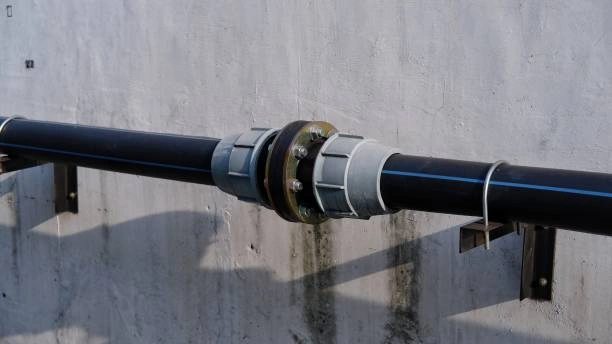
Types of PE Pipe Fittings
PE pipe fittings come in various types to accommodate different jointing methods and system requirements. Understanding the differences will help you choose the right one for your needs.
1. Butt Fusion Fittings
- Usage: Used for permanent jointing of pipes with the same diameter and wall thickness.
- Features: Heat is applied to the ends of the pipes and the fitting, which are then pressed together to form a strong bond.
- Common Types: Elbows, tees, reducers, end caps.
2. Electrofusion Fittings
- Usage: Ideal for high-pressure or underground installations.
- Features: The fitting contains an embedded heating element. When current is applied, the plastic melts and fuses the joint.
- Advantages: Creates strong, leak-proof joints with minimal external force.
3. Compression Fittings
- Usage: Offers quick installation without the need for heat or electricity. Suitable for irrigation and residential systems.
- Features: Uses a mechanical locking system to secure the pipe.
- Ease of Use: Preferred for DIY and small-scale projects due to its simplicity.
4. Socket Fusion Fittings
- Usage: Similar to butt fusion but typically used for smaller diameter pipes.
- Features: The pipe end and fitting socket are both heated, then joined together.
- Application: Commonly found in gas distribution and potable water systems.
5. Flange Fittings
- Usage: Ideal for temporary or removable connections.
- Features: Suitable for connecting pipes to valves, pumps, or other equipment.
- Common In: Industrial plants and systems requiring periodic maintenance.
Applications of PE Pipe Fittings
PE fittings serve a wide range of uses depending on the type and specifications of the pipe system. Here are some typical applications:
- Water distribution networks
- Agricultural irrigation systems
- Gas transmission lines
- Industrial process piping
- Drainage and sewer systems
- Compressed air systems
Because of their adaptability, PE fittings are used across many sectors. Therefore, it’s important to select fittings that align with both the application and environmental conditions.
How to Choose the Right PE Pipe Fitting
Selecting the correct PE pipe fitting involves a few important considerations. Let’s take a closer look:
- Pipe Size: Always match the fitting to the pipe's outer diameter.
- Pressure Rating: Ensure the fitting’s pressure class meets your system’s requirements.
- Jointing Method: Decide between fusion, mechanical, or flanged options based on project scope and available tools.
- Installation Environment: Consider whether the pipe will be underground, above ground, or submerged.
- Certifications: Look for standards compliance such as ISO 4427 or ASTM D3035 to ensure safety and reliability.
By evaluating these factors ahead of time, you can ensure long-term performance and avoid costly replacements.
Installation Tips for PE Pipe Fittings
While PE pipes are known for ease of installation, following best practices will help you get the best results. Here are some key tips:
- Clean and Prepare Surfaces: Always clean and align the pipe ends before joining. Even small debris can weaken the joint.
- Use the Right Tools: Fusion fittings require calibrated welding machines. Compression fittings need to be tightened properly using basic hand tools.
- Pressure Test: Always test the system before operation to check for leaks or joint failure.
- Avoid Sharp Bends: Reducing stress points helps maintain long-term performance.
- Follow Manufacturer Guidelines: Each fitting type may have specific installation requirements. When in doubt, refer to technical documentation.
Adhering to these guidelines ensures your installation performs well for decades.
Comparison Table: PE Fitting Types
| Fitting Type | Installation Method | Reusability | Pressure Rating | Tools Required | Common Use Cases |
|---|---|---|---|---|---|
| Butt Fusion | Heat fusion | No | High | Fusion machine | Large water/gas lines |
| Electrofusion | Electric fusion | No | High | Electrofusion unit | Buried, high-pressure |
| Compression | Mechanical | Yes | Low–Moderate | Basic hand tools | Irrigation, DIY plumbing |
| Socket Fusion | Heat fusion | No | Moderate | Socket welder | Small utility networks |
| Flange | Bolted connection | Yes | Varies | Wrench set | Industrial equipment link |
Conclusion
PE pipe fittings are essential components in any modern piping system. Whether you’re working on a home irrigation project or a large-scale industrial installation, the right fitting ensures leak-free operation and system longevity.
By understanding the available types, their ideal applications, and installation techniques, you can make well-informed decisions that save time and money. Investing in quality PE fittings and following proper installation practices will help you build a system that performs reliably for decades to come.