
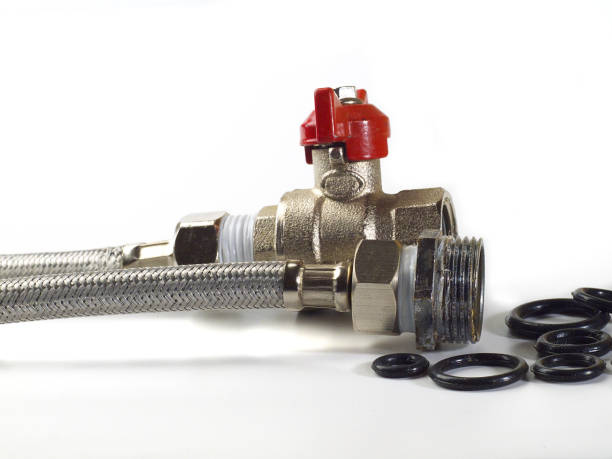
Introduction
Nylon braided hoses are essential components in many industries due to their unique combination of strength, flexibility, and resistance to harsh conditions. These hoses feature a reinforced structure with a nylon braid layer, making them ideal for high-pressure and high-temperature environments. In this guide, we’ll explore the defining characteristics of nylon braided hoses, their common uses, and why they outperform many traditional alternatives.
FAQs About Nylon Braided Hose
1. What makes nylon braided hoses different from regular hoses?
Nylon braided hoses have a woven nylon layer that adds strength and durability, allowing them to handle higher pressures and resist abrasion better than standard rubber or plastic hoses.
2. Can nylon braided hoses handle extreme temperatures?
Yes, they perform well in both high and low-temperature conditions, making them suitable for automotive, hydraulic, and industrial applications.
3. Are these hoses resistant to chemicals and oils?
Absolutely. Nylon braided hoses resist oils, fuels, and many solvents, which is why they are widely used in fuel lines and hydraulic systems.
4. How long do nylon braided hoses last?
With proper use, they can last significantly longer than rubber hoses due to their superior abrasion and wear resistance.
5. Can I use nylon braided hoses for drinking water or food applications?
Only if they are specifically rated as food-grade. Standard nylon braided hoses are not designed for potable water or food contact unless certified.
Basic Definition and Key Features
A nylon braided hose consists of an inner thermoplastic tube surrounded by a tightly woven nylon mesh. This braided reinforcement enhances the hose’s ability to withstand pressure while maintaining flexibility.
Key Features:
- High Pressure Resistance: The nylon braid prevents the hose from bursting under extreme pressure.
- Lightweight & Flexible: Easier to install and maneuver than metal or thick rubber hoses.
- Abrasion & Wear Resistance: The outer braid protects against damage from friction and rough handling.
- Chemical & Oil Resistance: Works well with fuels, lubricants, and hydraulic fluids without degrading.
- Temperature Stability: Performs reliably in both hot and cold environments.
Common Uses and Industries
Nylon braided hoses are versatile and serve multiple industries due to their durability and adaptability.
- Automotive: Used in fuel lines, brake systems, and coolant transfer due to their resistance to heat and chemicals.
- Hydraulics & Pneumatics: Ideal for high-pressure air and fluid delivery in machinery and industrial equipment.
- Industrial Manufacturing: Commonly found in lubrication systems, compressed air lines, and coolant transfer.
- Aerospace & Marine: Lightweight yet strong, making them suitable for fuel and hydraulic systems in aircraft and boats.
- Medical & Food Processing: Specialized food-grade variants are used in beverage dispensing and pharmaceutical applications.
Conclusion
Nylon braided hoses offer a superior balance of strength, flexibility, and resistance to harsh conditions, making them a top choice across multiple industries. Whether for automotive, hydraulic, or industrial applications, these hoses provide long-lasting performance and reliability. By understanding their key features and best-use scenarios, you can select the right hose for your needs and ensure optimal efficiency and safety.
For specialized applications, always check manufacturer specifications to confirm compatibility with your intended use. With proper selection and maintenance, nylon braided hoses can deliver exceptional durability and performance.