

Introduction: Building Stronger Systems with PE Pipes and Fittings
PE (Polyethylene) pipes and fittings offer a durable, lightweight, and corrosion-resistant solution for a wide range of industrial, municipal, and domestic applications. From transporting clean water to handling industrial fluids, PE piping systems have become the preferred choice due to their longevity, flexibility, and ease of installation. In this article, you’ll discover the key types of PE pipes and fittings, their applications across industries, how to choose the right products, and why they outperform traditional piping materials.
Frequently Asked Questions (FAQ)
1. What are PE pipes and fittings used for?
They transport water, gas, chemicals, and other fluids in residential, industrial, and municipal systems.
2. Are PE pipes suitable for drinking water?
Yes. PE pipes and fittings certified for potable use are safe and widely used for drinking water systems.
3. How long do PE piping systems last?
They typically last over 50 years when installed and maintained correctly.
4. Can I use PE pipes underground?
Absolutely. PE is ideal for underground installations due to its flexibility and resistance to ground movement and corrosion.
5. What’s the difference between PE100 and PE80?
PE100 offers higher pressure resistance and durability than PE80 and is commonly used in high-performance systems.
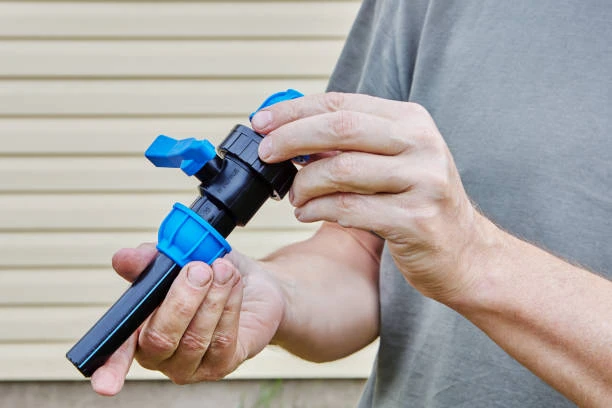
What Are PE Pipes and Fittings?
PE pipes are flexible plastic tubes made from high-density or medium-density polyethylene. Manufacturers use grades like PE100 and PE80 to ensure strength, pressure tolerance, and long life. PE fittings connect or adapt these pipes through compression, electrofusion, or butt fusion.
Common PE Fittings Include:
- Couplings – to join two pipes
- Elbows – to change direction
- Tees – to branch lines
- Reducers – to connect different diameters
- End caps – to seal pipes
- Flange adaptors and threaded connections – for equipment or system transitions
Applications Across Industries
PE pipes and fittings serve almost every industry thanks to their adaptability and strength.
1. Water Supply Systems
Municipal and rural water networks rely on PE pipes for transporting clean water safely and efficiently. PE's chemical resistance ensures water quality remains high.
2. Gas Distribution
PE pipes are a trusted material for low-pressure gas pipelines, especially when using yellow PE80 or PE100 pipes with fusion fittings.
3. Agricultural Irrigation
Farmers use PE piping for drip and sprinkler systems due to its UV resistance, flexibility, and durability under variable conditions.
4. Industrial Fluid Handling
Industries transport chemicals, cooling water, and process fluids through PE pipes because of their excellent chemical resistance and low friction loss.
5. Sewage and Drainage
PE pipes also serve as conduits for wastewater or stormwater thanks to their long life, resistance to abrasion, and smooth inner surfaces.
6. Mining and Slurry Transport
Mining sites use PE pipes to handle abrasive slurry and chemical-laden fluids where metal would corrode quickly.
Types of PE Pipes and Fittings
| Type | Description | Application |
|---|---|---|
| PE100 Pipes | High-strength, high-pressure rated | Water, gas, industrial systems |
| PE80 Pipes | Medium strength, lower pressure | Irrigation, light industrial |
| Compression Fittings | Easy to install, no fusion needed | Quick fixes, agriculture |
| Electrofusion Fittings | Welded with electricity for leak-free joints | Underground and gas networks |
| Butt Fusion Fittings | Fused with heating plates | Large systems, high pressure lines |
| Flanged Fittings | Bolt connection to valves, pumps | Equipment interfaces |
| Threaded Fittings | Connect to metal pipes and accessories | Metering and plumbing transitions |
How to Choose the Right PE Pipes and Fittings
To build a reliable system, you need to match fittings and pipes with your system's demands.
1. Pressure Rating
Choose PE100 for high-pressure needs (PN16 or PN20) and PE80 for standard irrigation or drainage lines.
2. Application Type
Use fusion fittings for long-term, buried installations. Compression fittings work best for above-ground or temporary use.
3. Pipe Diameter
Standard sizes range from 20mm to 1000mm. Check compatibility with your existing pipes and systems.
4. Certifications
Look for ISO 4427, WRAS, or NSF certifications for potable water and ISO 4437 for gas systems.
5. Color Coding
- Black with blue stripes: Water
- Black with yellow stripes: Gas
- Solid black or white: Industrial or drainage
Installation Tips for PE Pipes and Fittings
Proper installation helps ensure a leak-free, long-lasting system.
- Clean and dry pipe ends before connection.
- Use correct fusion temperatures for electrofusion or butt fusion.
- Align pipes properly to avoid stress or deformation at the joint.
- Pressure test the system before use.
- Protect buried pipes with sand bedding and avoid sharp rocks.
When in doubt, always follow the manufacturer’s technical datasheet or installation guide.
PE Pipes and Fittings vs Other Pipe Systems
| Feature | PE Pipes & Fittings | PVC Pipes | Metal Pipes |
|---|---|---|---|
| Flexibility | High | Low | Very low |
| Corrosion Resistance | Excellent | Good | Poor |
| Installation Complexity | Easy to moderate | Moderate | Difficult |
| Lifespan | 50+ years | 20–30 years | 10–20 years |
| Cost | Moderate | Low | High |
| Potable Water Safety | High (if certified) | Moderate to high | Depends on material |
PE systems deliver better long-term value, especially in demanding or buried applications.
Conclusion: Trust PE for Reliable, Long-Term Piping Systems
PE pipes and fittings offer a complete solution for almost every piping challenge. Whether you’re building a new water network, expanding an industrial system, or upgrading a farm’s irrigation layout, PE delivers durability, flexibility, and chemical resistance you can rely on.
With proper selection and installation, PE piping systems can serve your needs for decades — all while minimizing maintenance and operational costs. For clean, safe, and efficient fluid transport, PE remains the material of choice across industries.