
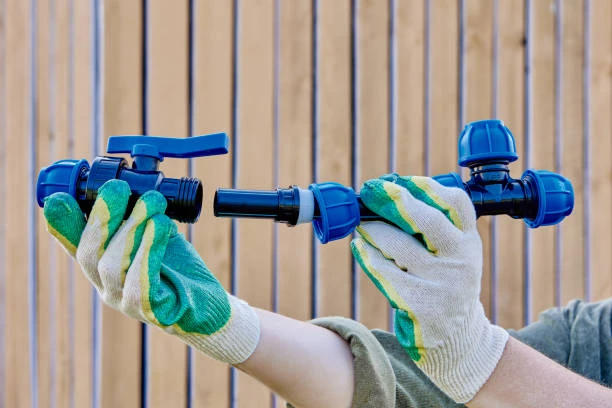
Introduction: Navigate the World of PE Pipe Fittings with Confidence
Choosing the right PE pipe fittings is essential for building efficient and durable piping systems. Whether you're working on a residential water supply, agricultural irrigation, or municipal pipeline project, the right fittings ensure leak-free performance and long-lasting reliability. This complete catalogue overview will walk you through the most common types of PE pipe fittings, their sizes, materials, applications, and how to select the best components for your system.
Frequently Asked Questions (FAQ)
1. What is a PE pipe fitting catalogue?
It’s a product guide that includes detailed information about the types, sizes, and technical specifications of polyethylene pipe fittings.
2. What materials are used in PE pipe fittings?
Manufacturers use high-density polyethylene (HDPE), usually PE100 or PE80, known for durability, flexibility, and resistance to corrosion.
3. Which sizes are available in PE pipe fittings?
You can find fittings ranging from 20mm to over 1000mm in diameter, depending on the application and system pressure.
4. Are there different fitting types in the catalogue?
Yes. Most catalogues include compression fittings, electrofusion fittings, butt fusion fittings, threaded adapters, and flanged connections.
5. How can I choose the right fittings from a catalogue?
Match the fitting type, material grade, pressure rating, and size to your pipe and system requirements. Certifications also help guide selection.

Overview of PE Pipe Fitting Types
A PE pipe fittings catalogue typically includes the following main types:
1. Compression Fittings
- Tool-free installation
- Ideal for residential and irrigation systems
- Common types: couplers, elbows, tees, end caps
- Sizes: 20mm to 110mm
2. Electrofusion Fittings
- Require an electrofusion welding machine
- Provide leak-proof joints
- Used in high-pressure and gas systems
- Include couplings, elbows, reducers, and tapping saddles
3. Butt Fusion Fittings
- Installed with heating plates and pressure
- Strong, seamless connections
- Suitable for large-diameter pipelines
- Common in municipal and industrial systems
4. Threaded and Flanged Fittings
- Allow connection with metal or PVC systems
- Used for valves, meters, and transition points
- Available in male/female threads and flanged ends
Common PE Fitting Configurations in the Catalogue
| Fitting Type | Description | Available Sizes | Use Case |
|---|---|---|---|
| Coupling | Joins two pipes | 20mm–1000mm | Water lines, irrigation |
| Elbow (90°, 45°) | Changes pipe direction | 20mm–630mm | Plumbing, agriculture |
| Tee | Branches one pipe into two | 20mm–630mm | Distribution networks |
| Reducer | Connects different pipe diameters | 25x20–630x500mm | Transitions in pipe size |
| End Cap | Seals pipe end | 20mm–630mm | Temporary closures |
| Flange Adaptor | Connects to flanged equipment | 63mm–1000mm | Pumps, valves, tanks |
| Male/Female Adpt. | Connects to threaded fittings | 20mm–315mm | Water meters, plumbing devices |
Applications of PE Pipe Fittings
PE pipe fittings serve a wide range of industries, all of which you’ll see represented in a complete catalogue:
- Domestic water supply systems
- Garden and agricultural irrigation
- Municipal water and gas networks
- Industrial fluid handling
- Mining and chemical pipelines
The catalogue often groups fittings by application to help users choose the right products quickly.
Technical Information Included in Catalogues
A professional PE pipe fittings catalogue typically includes:
- Dimensions (outer diameter, wall thickness, length)
- Pressure ratings (PN6, PN10, PN16, etc.)
- Material grade (PE100 or PE80)
- Standards compliance (ISO 4427, EN 12201, ASTM D3035)
- Color coding (black with stripes for water, yellow for gas)
- Temperature and chemical resistance charts
- Installation methods and diagrams
These details help engineers and installers make informed decisions for safe and long-lasting installations.
How to Use the Catalogue for Smart Selection
To get the most from a PE pipe fittings catalogue:
- Know your pipe specs – Match the outer diameter and pressure class with compatible fittings.
- Identify your connection method – Choose from compression, fusion, or threaded types based on available tools and application.
- Check certifications – Make sure products are approved for drinking water, gas, or industrial use as required.
- Refer to diagrams – Use visual layouts to ensure correct angles, spacing, and installation positions.
- Consult sizing tables – These help prevent mismatches that can cause leaks or pressure loss.
PE Pipe Fittings vs Other Piping Fittings
| Feature | PE Pipe Fittings | PVC Fittings | Metal Fittings |
|---|---|---|---|
| Material | Flexible PE100/PE80 | Rigid plastic | Brass, copper, steel |
| Installation | Compression or fusion | Solvent welding | Threaded or welded |
| Corrosion Resistance | Excellent | Good | Moderate to poor |
| Weight | Lightweight | Lightweight | Heavy |
| Cost | Moderate | Low | High |
| Typical Use | Water, gas, industry | Water, drainage | High-pressure or heat |
PE pipe fittings strike a balance between strength, flexibility, and affordability, making them a versatile choice across industries.
Conclusion: Use the Catalogue to Build Better Piping Systems
A well-organized PE pipe fittings catalogue gives you everything you need to design and maintain efficient piping systems. By understanding the different types of fittings, their applications, and the technical details behind each product, you can confidently select the right components for your project.
Whether you're planning a new installation or upgrading an existing system, this catalogue serves as your essential reference for safe, smart, and sustainable connections.