
Introduction
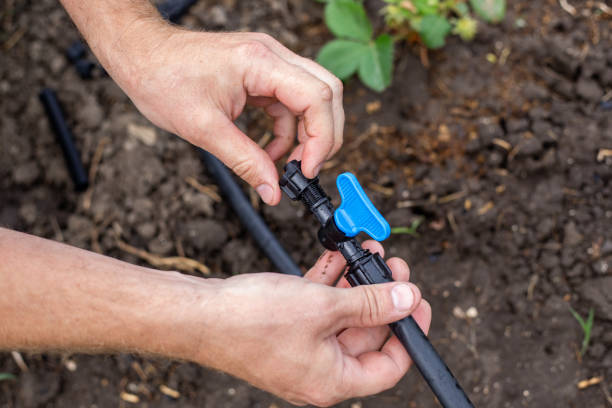
PE tubing fitting is essential components in modern plumbing, irrigation, and industrial fluid systems. Known for their durability, chemical resistance, and easy installation, they play a critical role in ensuring secure and leak-free connections between polyethylene pipes. Whether you are setting up a home water supply, designing an agricultural irrigation network, or managing an industrial plant, choosing the right PE tubing fittings can significantly improve efficiency and reliability. This guide covers everything you need to know—from definitions and features to applications, buying tips, installation advice, and comparisons with other pipe materials.
Frequently Asked Questions (FAQ)
1. What are PE tubing fitting made of?
PE tubing fittings are typically made from high-quality polyethylene (PE) or high-density polyethylene (HDPE), which offer excellent resistance to chemicals, UV rays, and environmental stress.
2. Can PE tubing fitting be used for drinking water?
Yes, many PE fittings are certified for potable water use, but it is important to check for certifications like NSF or WRAS before installation.
3. Are PE tubing fitting suitable for hot water systems?
Generally, PE tubing fittings are designed for cold or ambient temperature water systems. For hot water, specialized materials like PEX or CPVC are better suited.
4. How do I connect PE tubing fittings?
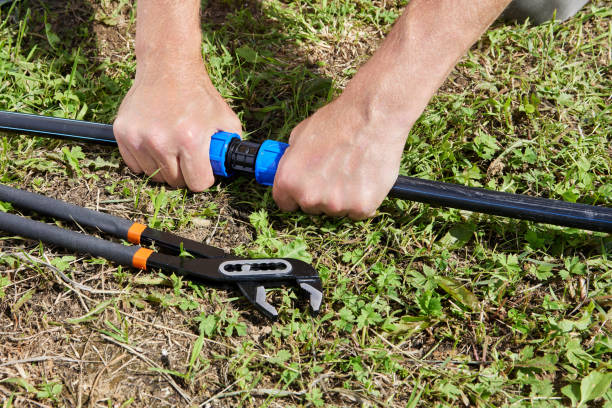
They can be connected using compression fittings, push-to-connect fittings, or heat fusion techniques, depending on the application and system design.
5. How long do PE tubing fittings last?
When installed correctly, PE tubing fittings can last over 50 years in normal conditions, thanks to their high resistance to corrosion and wear.
Definition and Key Features of PE Tubing Fitting
PE tubing fittings are small components used to connect, extend, or change the direction of polyethylene pipes. They come in various shapes such as elbows, tees, couplings, reducers, and end caps. The primary material—polyethylene—provides flexibility, light weight, and strong resistance to impact and chemicals.
Key features include:
- Durability: Resistant to corrosion, scaling, and rust.
- Flexibility: Adapts well to temperature variations without cracking.
- Chemical Resistance: Suitable for a wide range of fluids, including potable water and certain chemicals.
- UV Resistance: Many PE fittings are treated for outdoor use to prevent degradation from sunlight.
- Ease of Installation: Compatible with multiple connection methods.
These qualities make PE tubing fittings a reliable choice for both temporary and permanent piping systems.
Common Uses and Application Industries
PE tubing fittings are highly versatile and can be found in numerous industries. Common uses include:
- Agriculture and Irrigation
They are widely used in drip irrigation, sprinkler systems, and farm water supply lines due to their light weight and resistance to fertilizers and pesticides. - Residential Plumbing
PE fittings are used in cold water supply systems, garden hose connections, and small-scale water distribution networks. - Industrial Fluid Transfer
Industries such as chemical processing, mining, and manufacturing use PE fittings for transporting non-corrosive liquids. - Water Treatment Plants
PE tubing fittings are often part of water purification and distribution systems due to their hygienic properties. - Aquaculture and Fisheries
In fish farming and aquatic systems, PE fittings handle water efficiently without contaminating the habitat.
Buying Guide: What to Look for in PE Tubing Fittings
When selecting PE tubing fittings, paying attention to specific details will ensure better performance and safety.
- Material Quality
Choose fittings made from virgin PE or HDPE for maximum strength and durability. Avoid recycled materials if the application involves potable water. - Size Compatibility
Match the fitting size to your PE tubing diameter to ensure a tight seal and prevent leakage. - Color Coding
Different colors may indicate different pressure ratings or applications. For example, blue fittings are often used for potable water, while black ones are common in agricultural settings. - Certifications
Look for relevant certifications like NSF, WRAS, or ISO to ensure the fittings meet safety and quality standards. - Connection Type
Decide between compression, push-fit, or fusion-type fittings depending on your tools, skill level, and system requirements. - Pressure Rating
Check the pressure class of the fitting to ensure it can handle your system’s requirements.
Installation Tips for PE Tubing Fittings
A proper installation ensures long-term performance and prevents leaks.
- Cut Tubing Cleanly
Use a sharp pipe cutter to make straight, burr-free cuts. This ensures a better seal. - Check for Debris
Clean both the fitting and the pipe before connection to avoid contamination or abrasion. - Follow Manufacturer Instructions
Each fitting type may have specific installation steps, such as tightening torque for compression nuts. - Avoid Over-Tightening
Too much force can damage the fitting or deform the pipe, leading to leaks. - Test the System
After installation, run water through the system at normal operating pressure to check for leaks before full use.
PE Tubing Fittings vs Other Pipe Materials
Below is a textual comparison between PE tubing fittings and fittings made from other common materials.
| Feature | PE Tubing Fittings | PVC Fittings | Metal Fittings (Brass/Steel) |
|---|---|---|---|
| Weight | Very light, easy to handle | Light, but more rigid | Heavy |
| Corrosion Resistance | Excellent, does not rust or scale | Excellent, no rust | Good (brass), poor (steel without coating) |
| Flexibility | High, can bend slightly without breaking | Low, rigid | Low |
| Installation | Quick, no special tools for compression types | Quick, but requires solvent cement | Requires tools, threading, or welding |
| Temperature Range | Best for cold or ambient water | Similar, not ideal for high heat | Wider range for metals |
| Cost | Affordable | Affordable | Higher |
| Service Life | 50+ years when used correctly | 30–50 years | 20–50 years depending on environment |
From this comparison, PE tubing fittings offer a strong balance of durability, ease of use, and cost-effectiveness, especially for low to medium pressure and cold water systems.
Conclusion
PE tubing fittings are a practical, reliable, and versatile choice for a wide range of water and fluid systems. Their combination of light weight, corrosion resistance, and ease of installation makes them ideal for both DIY projects and professional installations. By choosing the right material quality, ensuring proper size compatibility, and following correct installation methods, you can enjoy a leak-free and long-lasting piping system. Whether you are working on an agricultural irrigation project, a residential plumbing upgrade, or an industrial fluid line, PE tubing fittings provide a cost-effective and dependable solution.