

Introduction
PE tube fitting is essential components for creating secure, leak-free, and durable piping systems. Whether used in residential plumbing, industrial applications, or agricultural irrigation, these fittings connect polyethylene tubes with precision and reliability. Their lightweight design, resistance to corrosion, and ease of installation make them a preferred choice for many projects. This guide explores their features, common uses, buying considerations, installation tips, and comparisons with other materials, ensuring you have all the information you need to make the right choice.
Frequently Asked Questions (FAQ)
1. What are PE tube fitting made of?
They are typically made from polyethylene (PE) or high-density polyethylene (HDPE), providing excellent resistance to chemicals and impact.
2. Can PE tube fitting handle high water pressure?
Yes, many PE fittings are designed for medium to high pressure, but always check the manufacturer’s pressure rating.
3. Are PE tube fitting suitable for outdoor use?
Yes, especially when UV-stabilized. They can withstand prolonged sun exposure without degradation.
4. How are PE tube fitting connected?
They can be joined using compression fittings, push-fit systems, or heat fusion, depending on the application.
5. What is the lifespan of PE tube fitting?
With proper installation and use, they can last more than 50 years.
Definition and Key Features of PE Tube Fittings
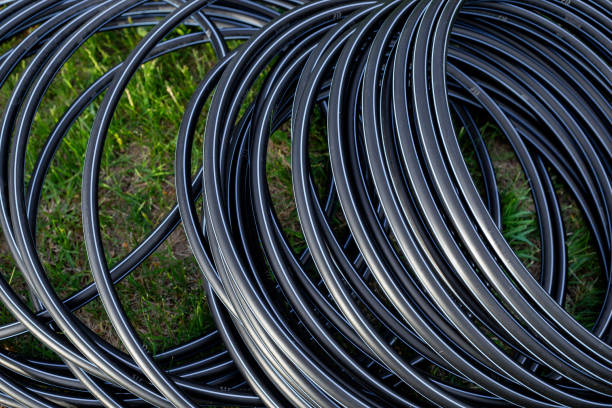
PE tube fittings are specialized connectors designed to join sections of polyethylene tubing. Available in shapes such as elbows, tees, couplings, and reducers, they help route water or fluids effectively.
Key features include:
- Lightweight: Easy to transport and install.
- Corrosion Resistance: No rust or scale buildup.
- Flexibility: Can accommodate slight movement or vibration in systems.
- Chemical Resistance: Suitable for a variety of liquids beyond water.
- Durability: Long service life with minimal maintenance.
Common Uses and Application Industries
PE tube fittings are versatile and used in a range of industries:
- Agriculture and Irrigation
Ideal for drip irrigation, sprinkler systems, and farm water supply. - Residential Plumbing
Commonly used for garden irrigation lines and cold water systems. - Industrial Fluid Transport
Suitable for non-corrosive chemical transport and process water systems. - Aquaculture
Efficiently delivers water in fish farms and aquatic systems. - Water Treatment
Found in filtration and purification setups for municipal and private systems.
Buying Guide: What to Look for in PE Tube Fittings
- Material Grade
Choose virgin PE or HDPE for durability and strength. - Size Compatibility
Ensure the fitting matches your tube’s inner and outer diameter. - Color Codes
Black for general use, blue for potable water, and green for irrigation. - Certifications
Look for NSF, WRAS, or ISO certifications for safety and quality. - Pressure Ratings
Match the fitting’s rating with your system’s operating pressure. - Connection Type
Decide between compression, push-fit, or heat fusion based on your installation needs.
Installation Tips for PE Tube Fittings
- Cut Tubes Precisely
Use a sharp cutter for clean, straight edges. - Clean the Ends
Remove any dirt or debris before connecting. - Follow Instructions
Each connection type has specific tightening or fusion requirements. - Avoid Excess Force
Over-tightening can cause cracks or deformation. - Test for Leaks
Run the system at working pressure before full operation.
PE Tube Fittings vs Other Pipe Fittings
| Feature | PE Tube Fittings | PVC Fittings | Metal Fittings (Brass/Steel) |
|---|---|---|---|
| Weight | Very light | Light | Heavy |
| Corrosion Resistance | Excellent | Excellent | Brass good, steel poor without coating |
| Flexibility | High | Low | Low |
| Installation | Simple, quick | Quick, requires solvent cement | Requires tools or welding |
| Cost | Affordable | Affordable | Higher |
| Lifespan | 50+ years | 30–50 years | 20–50 years |
From this comparison, PE tube fittings stand out for their combination of light weight, corrosion resistance, and long lifespan, making them an excellent choice for many applications.
Conclusion
PE tube fittings offer a reliable, cost-effective, and easy-to-use solution for connecting polyethylene tubes in a wide range of settings. By selecting the right size, material, and connection type, and by following correct installation procedures, you can ensure a leak-free and long-lasting system. Whether for agriculture, industry, or residential use, PE tube fittings deliver the performance and dependability that modern piping systems demand.