
Introduction
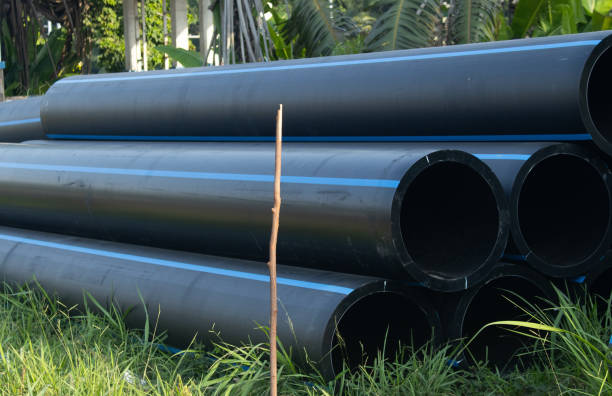
PE (Polyethylene) water pipe fittings are essential components in many plumbing and irrigation systems. Known for their durability, flexibility, and corrosion resistance, they ensure secure water flow connections in residential, commercial, and industrial projects. This guide covers everything you need to know about PE water pipe fittings, including definitions, features, applications, buying tips, installation advice, and comparisons with other pipe materials.
FAQ – Common Questions About PE Water Pipe Fitting
1. What are PE water pipe fitting made of?
They are typically made from high-density polyethylene (HDPE) or medium-density polyethylene (MDPE), offering high strength and resistance to chemicals.
2. Can PE water pipe fittings be used for hot water?
Generally, PE fittings are best for cold water systems. For hot water, materials like PEX or CPVC are more suitable.
3. Are PE fittings reusable?
Compression-type PE fittings can often be reused if they remain undamaged, but welded or fused fittings are permanent.
4. How long do PE water pipe fittings last?
With proper installation, they can last 50 years or more, depending on water quality and environmental factors.
5. Do PE water pipe fittings require special tools for installation?
Some types, like compression fittings, require minimal tools, while electrofusion or butt fusion fittings need specialized welding equipment.


Definition and Key Features of PE Water Pipe Fitting
PE water pipe fittings are connectors used to join polyethylene pipes for water distribution. They come in various forms, such as couplings, elbows, tees, and adapters, to accommodate different piping layouts.
Key features include:
- High corrosion and chemical resistance
- Lightweight yet strong
- Flexibility for easier installation in uneven terrain
- Non-toxic, safe for potable water
- Low maintenance requirements
Common Uses and Applications
PE water pipe fittings are widely used in:
- Municipal water supply networks – long-lasting underground water lines
- Agricultural irrigation systems – distributing water to crops efficiently
- Industrial water transport – safe conveyance of process water
- Residential plumbing – outdoor taps, garden irrigation, and main water lines
Buying Guide for PE Water Pipe Fittings
When purchasing PE water pipe fittings, consider:
- Material type: HDPE for strength, MDPE for flexibility
- Size compatibility: Match with your pipe’s outer diameter
- Color coding: Blue for potable water, black for general water use
- Certifications: Look for approvals like NSF/ANSI for potable water safety
- Brand reputation: Choose trusted brands for consistent quality
Installation Tips
- Always clean and deburr pipe ends before fitting
- For compression fittings, ensure the insert is fully seated before tightening
- Avoid excessive force to prevent damage
- For fusion fittings, follow the precise heating and cooling times
- Pressure test the system before full operation
PE Water Pipe Fittings vs Other Pipe Materials
| Feature | PE Water Pipe Fittings | PVC Fittings | Metal Fittings |
|---|---|---|---|
| Corrosion Resistance | Excellent | Good | Poor in some conditions |
| Flexibility | High | Low | Low |
| Lifespan | 50+ years | 25–40 years | 20–50 years |
| Installation Ease | Moderate (some tools needed) | Easy | Moderate to hard |
| Weight | Light | Light | Heavy |
Conclusion
PE water pipe fittings are a reliable, long-lasting choice for cold water distribution in a variety of settings. Their combination of durability, safety, and ease of use makes them a preferred option for both professional plumbers and DIY enthusiasts. By understanding the types, features, and proper installation techniques, you can ensure a secure and efficient water piping system for years to come.