
Introduction: HDPE’s Growing Role in Modern Life
High-Density Polyethylene, commonly known as HDPE, plays a vital role in our daily lives—even if we don’t always realize it. From underground piping systems to your shampoo bottle, HDPE products are everywhere. Thanks to their strength, flexibility, and chemical resistance, HDPE materials offer reliable performance across many industries and household applications.
In this article, we’ll explore the most popular HDPE products, how they function, and why industries increasingly rely on this durable plastic. You'll also learn how to select high-quality HDPE goods, the benefits they offer, and how they compare with similar materials.
FAQs About Popular HDPE Products
1. What is HDPE commonly used for?
HDPE is widely used in pipes, containers, bottles, plastic sheets, crates, and industrial packaging.
2. Are HDPE products safe for food use?
Yes, food-grade HDPE is FDA-approved and commonly used in milk jugs, juice bottles, and food containers.
3. Why do industries prefer HDPE over other plastics?
HDPE resists corrosion, withstands harsh environments, and lasts longer than many alternative plastics.
4. Can I recycle HDPE products?
Absolutely. HDPE is one of the easiest and most profitable plastics to recycle.
5. How do I know if a product is made from HDPE?
Look for the recycling code “2” or check the material label provided by the manufacturer.
What Is HDPE and Why Is It So Versatile?
HDPE is a thermoplastic polymer made from petroleum. Its high strength-to-density ratio makes it perfect for applications requiring durability without excess weight. Unlike other plastics, HDPE remains stable under pressure and temperature changes, making it suitable for both outdoor and indoor use.
Moreover, HDPE is non-toxic, resistant to UV rays, and impermeable to moisture and chemicals. This combination of features allows manufacturers to mold it into everything from rigid pipes to flexible packaging.

Popular HDPE Products Across Different Categories
HDPE’s strength lies in its adaptability. Let’s look at the most common types of HDPE products used across industries and households:
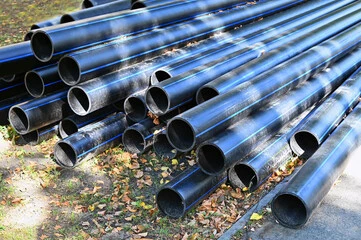
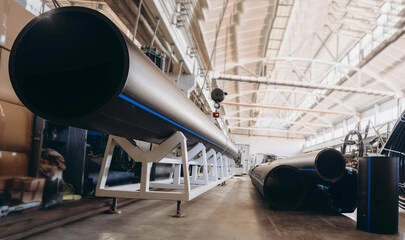
1. HDPE Pipes
You’ll find HDPE pipes in plumbing systems, agricultural irrigation, gas distribution networks, and industrial pipelines. These pipes handle high pressure, resist corrosion, and perform well even underground or in extreme climates.
2. HDPE Bottles and Containers
HDPE bottles are used to store milk, cleaning products, shampoo, motor oil, and more. Their leak-proof design and chemical resistance make them ideal for storing both food and hazardous liquids.
3. HDPE Sheets and Panels
Construction companies use HDPE sheets in wall protection, chemical tanks, cutting boards, and marine applications. The sheets are lightweight, easy to fabricate, and resistant to impact.
4. HDPE Crates and Pallets
Logistics and food industries rely on HDPE crates and pallets for transporting goods. They are durable, washable, and reusable, which helps reduce packaging waste.
5. HDPE Plastic Bags and Films
While less rigid, HDPE films are used in grocery bags, industrial liners, and protective covers. These films offer tear resistance and keep products safe during handling and shipping.
6. HDPE Fittings and Couplings
Used alongside HDPE piping systems, these fittings ensure tight, leak-free connections. Industries install them in water systems, gas lines, and chemical pipelines.
7. HDPE Toys and Furniture
Because it’s safe and non-toxic, HDPE is ideal for children’s toys and outdoor furniture. Its weather resistance ensures long-term durability even under sunlight and rain.
How to Choose the Right HDPE Products
To select the best HDPE product, consider the following factors:
- Application Needs: Choose rigid HDPE for pipes or panels, and flexible HDPE for bags or films.
- Grade: Use food-grade HDPE for packaging consumables; opt for UV-resistant HDPE for outdoor use.
- Certifications: Look for products that meet ISO, ASTM, or NSF standards to ensure safety and performance.
- Color: Lighter colors may offer better reflectivity for outdoor use, while darker HDPE often resists UV degradation more effectively.
- Recyclability: If sustainability matters to your project, check if the product is made from recycled HDPE or if it’s recyclable after use.
By evaluating these criteria, you’ll ensure that the HDPE product fits your purpose and performs reliably.
Installation and Handling Tips for HDPE Products
To ensure maximum efficiency and lifespan, users must handle HDPE properly during installation or usage:
- Avoid Sharp Tools: Use clean cutters or specified machinery to avoid cracks or stress points.
- Secure Connections: For pipes and fittings, use approved fusion or mechanical joining techniques.
- Check for Compatibility: Ensure the HDPE item is suitable for the pressure, temperature, or chemical conditions it will face.
- Clean Before Use: Always clean HDPE containers and sheets before storing food, water, or chemicals.
Handling HDPE with care boosts performance and avoids unnecessary replacement costs.
HDPE vs. Other Plastic Materials: What Sets It Apart
| Feature | HDPE | PVC | PET | LDPE |
|---|---|---|---|---|
| Strength | High | Moderate | Moderate | Low |
| Flexibility | Medium to High | Low | Low | High |
| Chemical Resistance | Excellent | Good | Moderate | Poor |
| Recyclability | Very High (Code 2) | Moderate (Code 3) | High (Code 1) | Moderate (Code 4) |
| Common Use Cases | Pipes, bottles, sheets | Pipes, cables, roofing | Bottles, packaging | Bags, films, wraps |
This table shows why HDPE remains a go-to material in many industries. Its strength, versatility, and recyclability make it an ideal alternative to less durable plastics.
Conclusion: HDPE Products Are Built for Modern Needs
HDPE products shape the way we live, work, and build. Whether you’re managing an industrial project or simply looking for a durable storage container, HDPE delivers. Its balance of strength, cost-effectiveness, and environmental friendliness makes it one of the smartest plastic materials available today.
As industries continue to focus on sustainability and performance, HDPE will remain a top choice across applications—from buried pipelines to the bottle in your fridge.