
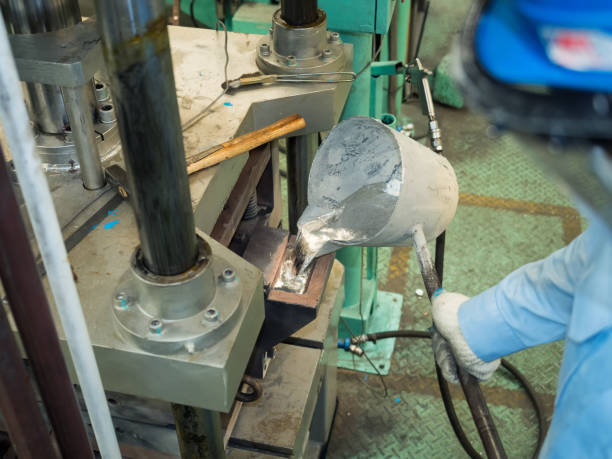
Introduction: Why PE Pipe Fittings Matter
PE pipe fittings offer a reliable, durable, and efficient way to connect and manage polyethylene piping systems. Contractors, engineers, and system designers often choose them for their leak-free performance and resistance to corrosion, chemicals, and pressure. In this guide, you’ll learn what PE pipe fittings are, how they work, where to use them, and how to choose the right ones for your projects. We’ll also compare them with other common piping materials to help you make a well-informed decision.
Frequently Asked Questions (FAQ)
1. What materials do manufacturers use for PE pipe fittings?
They typically use HDPE (High-Density Polyethylene), a strong and flexible plastic that resists chemicals, impact, and corrosion.
2. Can I use PE fittings for both gas and water systems?
Yes. You can choose gas-rated PE fittings for gas networks and water-rated ones for plumbing and irrigation systems.
3. How do I connect PE pipe fittings?
You can connect them using compression, electrofusion, butt fusion, or mechanical methods depending on your system design.
4. Are PE pipe fittings environmentally friendly?
Yes. PE fittings are recyclable, non-toxic, and safe for drinking water and soil contact.
5. What size options do PE fittings offer?
You can find them in sizes ranging from 20mm to over 1000mm, covering domestic, agricultural, and industrial uses.


What Are PE Pipe Fittings?
PE pipe fittings are accessories that connect, extend, or change the direction of polyethylene pipe systems. Manufacturers design them to match PE pipes used in pressurized or non-pressurized applications. These fittings include elbows, tees, couplings, reducers, end caps, valves, and more.
PE fittings stand out for their:
- High flexibility
- Strong resistance to chemicals and corrosion
- Long service life—often exceeding 50 years
- Lightweight design, which makes transport and handling easier
- Minimal pressure loss during flow
You can install these fittings in both above-ground and buried systems without worrying about rust, scale, or contamination.
Common Applications of PE Pipe Fittings
PE pipe fittings serve a wide range of industries because of their adaptability and toughness. Below are the most common uses:
1. Water Supply Systems
Engineers rely on PE fittings in municipal and residential plumbing systems. These fittings provide clean, safe, and pressure-resistant water flow.
2. Gas Distribution Networks
Utility companies use yellow-coded PE fittings to build and expand low-pressure gas pipelines. The material ensures safe gas transmission with minimal maintenance.
3. Agriculture and Irrigation
Farmers install PE fittings in drip and sprinkler systems to distribute water efficiently. The fittings can handle long hours of sun exposure and changing pressure.
4. Sewage and Drainage
Municipal systems and construction projects often include PE fittings in wastewater and stormwater pipelines. Their flexibility and resistance to ground movement reduce the chance of leaks.
5. Industrial Systems
Chemical plants, factories, and mines use PE fittings to transport aggressive fluids. The chemical resistance of PE materials reduces wear and system failures.
Buying Guide: How to Select the Right PE Pipe Fittings
When choosing PE pipe fittings, you need to consider several factors to ensure compatibility and performance:
1. Material Grade
Look for PE100 if your system requires high strength and pressure resistance. PE80 may work for lighter applications but offers lower performance.
2. Fitting Type and Size
Match the fitting size to your pipe’s outer diameter. Choose the right shape (elbow, tee, reducer) based on your piping layout.
3. System Requirements
Use gas-rated fittings (usually yellow) for gas systems and blue or black ones for water lines. Make sure the pressure rating matches your pipeline.
4. Certifications
Check for ISO, ASTM, or other internationally recognized certifications. These marks ensure that the fitting meets safety and durability standards.
5. Color Coding
Choose fittings with the correct color code:
- Black – General use
- Blue – Drinking water
- Yellow – Gas
- Green – Sewage or drainage
6. Connection Method
Pick the method that best fits your installation:
- Compression fittings – Simple and tool-free
- Electrofusion – Strong and durable; needs a fusion machine
- Butt fusion – Ideal for large-diameter, high-pressure lines
Installation Tips for PE Pipe Fittings
To ensure a strong and reliable connection, follow these practical installation tips:
- Clean pipe ends thoroughly before connecting to avoid dirt or debris interference.
- Align pipes and fittings properly to ensure full surface contact, especially for fusion connections.
- Use correct tools for fusion welding, such as electrofusion machines or butt fusion equipment.
- Avoid over-tightening compression fittings, which could cause cracking or deformation.
- Allow joints to cool completely before applying pressure to the system.
These steps help you avoid leaks and extend the system’s lifespan.
PE Pipe Fittings vs Other Piping Materials
To help you evaluate the advantages of PE pipe fittings, here’s a comparison with other common materials:
| Feature | PE Pipe Fittings | PVC Fittings | Metal Fittings (Brass/Steel) |
|---|---|---|---|
| Corrosion Resistance | Excellent | Good | Poor (subject to rust and scale) |
| Flexibility | High | Moderate | Low |
| UV Resistance | Strong (with additives) | Limited | Varies |
| Weight | Lightweight | Lightweight | Heavy |
| Lifespan | 50+ years | 30–40 years | 15–30 years |
| Connection Methods | Fusion, Compression | Solvent Welding | Threaded, Soldered, Welded |
| Chemical Resistance | Excellent | Moderate | Depends on metal type |
| Installation Ease | Easy to Moderate | Easy | Difficult (needs tools and skill) |
| Cost Efficiency | Moderate | Low | High |
As you can see, PE fittings offer a well-rounded solution for modern piping needs, especially where corrosion resistance, longevity, and flexibility matter most.
Conclusion
PE pipe fittings provide an efficient, safe, and cost-effective option for plumbing, gas, irrigation, and industrial systems. They combine long-term performance with low maintenance, making them ideal for both residential and large-scale infrastructure projects.
When you choose PE fittings, you gain durability, safety, and ease of installation. By considering material grade, color coding, certification, and connection method, you can select the best fittings for your system. Proper installation ensures lasting results and minimizes future repairs.
If you work with piping systems, understanding PE fittings helps you build better networks—faster, safer, and more economically.