

Introduction: Choosing the Right HDPE Pipe Supplier
High-Density Polyethylene (HDPE) pipes are widely used in water supply, gas distribution, industrial systems, and agricultural irrigation due to their strength, flexibility, and corrosion resistance. But selecting the right HDPE pipe supplier is just as important as choosing the pipe itself.
With so many manufacturers and distributors available, it can be overwhelming to decide who to trust. This guide will help you understand what makes a supplier reliable, what criteria to consider, and how to evaluate your options before making a purchase.
FAQ: Common Questions About HDPE Pipe Suppliers
1. What should I look for in an HDPE pipe supplier?
Check for product quality, certifications, customization options, pricing, delivery reliability, and customer service.
2. Are local suppliers better than international ones?
It depends on your project. Local suppliers may offer faster delivery, but international manufacturers might have better prices or a wider range.
3. How do I verify a supplier’s product quality?
Ask for compliance certificates (ISO, ASTM, DIN), sample testing, and customer references.
4. Can suppliers offer installation support or technical advice?
Many high-quality suppliers provide technical guidance, design support, and even on-site assistance if needed.
5. What are red flags when evaluating HDPE pipe suppliers?
Poor communication, lack of certification, inconsistent product specs, and overly low pricing can indicate risk.

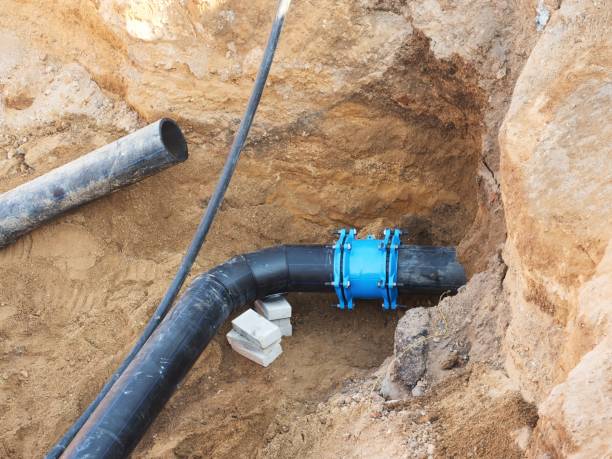
What Makes a Reliable HDPE Pipe Supplier?
When searching for a dependable supplier, it's essential to evaluate several aspects beyond just price:
1. Product Quality
A top supplier provides HDPE pipes made from virgin raw materials (not recycled unless stated), ensuring high tensile strength, chemical resistance, and flexibility. Pipes should meet relevant standards such as ISO 4427, ASTM D3035, or DIN 8074.
2. Certifications
Reputable suppliers have international or national certifications. Look for:
- ISO 9001 (quality management)
- ISO 14001 (environmental management)
- NSF, WRAS (for potable water)
- Pressure rating tests (PN ratings)
3. Manufacturing Capabilities
Check whether the supplier owns their factory or outsources production. A vertically integrated manufacturer usually has better quality control and faster response times.
4. Range of Products
Top suppliers offer not only pipes but also matching fittings, including:
- HDPE couplings
- Flange adapters
- Electrofusion fittings
- Compression fittings
- Elbows and tees
A full product range ensures better system compatibility.
5. Customization Options
Projects vary. Reliable suppliers can produce custom lengths, diameters, colors, or even private labeling based on your needs.
Main Applications That Rely on Trusted Suppliers
Choosing the right supplier ensures the success of HDPE systems in:
- Water supply and municipal infrastructure
- Natural gas pipelines
- Sewage and drainage systems
- Agricultural irrigation
- Mining and slurry transport
- Underground cable protection
Each application requires consistent performance, which depends heavily on product quality and supplier support.
How to Evaluate and Compare HDPE Pipe Suppliers
Here’s a step-by-step guide to making an informed choice:
Step 1: Check Online Reputation
Look at reviews, testimonials, and third-party verification platforms like Alibaba, Made-in-China, or global industry directories.
Step 2: Request Samples
Always ask for physical samples to test quality, color, finish, and flexibility. Compare with project specifications.
Step 3: Ask for Test Reports and Certificates
Reliable suppliers provide recent test data on tensile strength, pressure rating, and long-term performance.
Step 4: Compare Lead Times and Delivery Options
Timely delivery is key for project planning. Ask about production time, logistics partners, and warehousing.
Step 5: Contact Customer Support
Professional support teams respond quickly, provide installation advice, and help resolve issues. Good service reflects strong internal management.
HDPE Pipe Supplier Comparison: Key Factors
| Criteria | Top Suppliers Offer | Poor Suppliers Often Lack |
|---|---|---|
| Certifications | ISO, ASTM, WRAS, NSF | None or outdated |
| Product Consistency | Uniform color, thickness, and rating | Variable pipe quality |
| Technical Support | Installation guides, engineering advice | No support beyond sales |
| Fittings Availability | Full range of matching fittings | Limited or mismatched parts |
| Customization Services | Tailored sizes, logos, packaging | Only standard stock |
| Logistics & Delivery | Global shipping, on-time delivery | Delays or poor tracking |
| Customer Feedback | Verified reviews and references | Few or unreliable sources |
How to Choose the Best HDPE Pipe Supplier for Your Needs
Here are practical tips for making the best choice:
- For construction contractors: Choose suppliers with proven project experience and fast delivery.
- For distributors or wholesalers: Look for suppliers offering OEM/ODM options and volume discounts.
- For agriculture or irrigation projects: Choose suppliers that provide both pipe and fittings, with clear installation instructions.
- For industrial or mining use: Prioritize suppliers with high-pressure, abrasion-resistant product lines.
A good supplier should act like a partner, not just a vendor.
Conclusion: Invest in Quality by Choosing the Right Supplier
The quality of your HDPE piping system depends heavily on the supplier you choose. From certifications and material quality to delivery performance and after-sales support, top suppliers add real value to your project.
Take your time to compare, verify, and test before making a decision. Choosing the best HDPE pipe supplier ensures your system is efficient, durable, and ready for long-term performance—no matter the industry.