
Introduction
Transitioning from 1/2-inch PEX tubing to a 3/8-inch compression fitting is a common task in plumbing installations, especially when connecting to fixtures like faucets, toilets, or under-sink shut-off valves. While the size difference may seem confusing at first, the process is straightforward with the right fitting and a few professional tips. This article offers a complete guide to help homeowners, DIYers, and plumbers make smooth, secure, and leak-free 1/2 PEX to 3/8 compression connections.
FAQ: 1/2 PEX to 3/8 Compression
1. Can I connect 1/2-inch PEX directly to a 3/8 compression fitting?
Yes. Use a compatible adapter or compression valve that converts 1/2" PEX to a 3/8" compression outlet.
2. Do I need special tools?
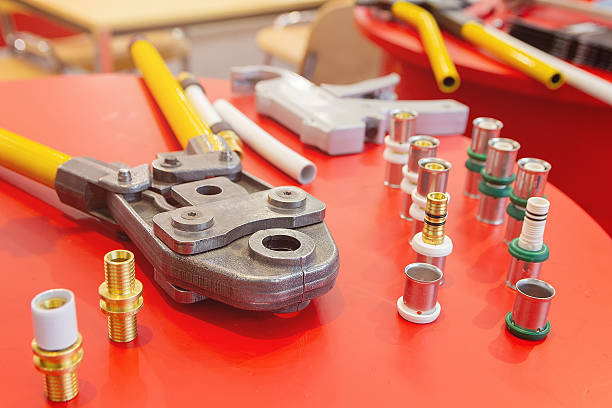
Often, only basic tools like an adjustable wrench and PEX cutter are needed. For some types, a crimp or clamp tool may be required.
3. Is it safe for drinking water?
Yes, as long as the fitting is certified lead-free and meets NSF or UPC standards.
4. What is 3/8 compression referring to?
“3/8 compression” usually refers to a fitting made for 3/8-inch outer diameter (OD) pipe, typically copper or braided supply lines.
5. Is this type of fitting reusable?
Most compression fittings are not designed to be reused. Always replace the ferrule and nut if you disconnect the fitting.
Definition and Features of 1/2 PEX to 3/8 Compression Fittings
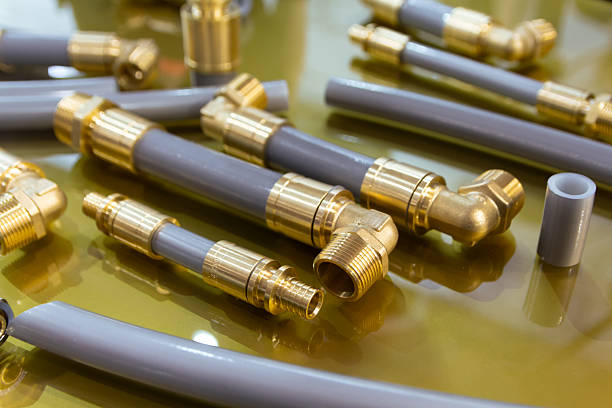
A 1/2 PEX to 3/8 compression fitting is a plumbing connector that allows a secure transition between flexible 1/2-inch PEX tubing and a rigid 3/8-inch compression outlet. These fittings are commonly made from brass or polyalloy and come in straight, elbow, or valve formats.
Key Features:
- Compatible with standard PEX tubing and compression outlets
- Requires minimal tools for installation
- Lead-free and corrosion-resistant materials available
- Ideal for connecting to sinks, toilets, and appliances
- Provides a tight, leak-free seal with proper installation
Where These Fittings Are Commonly Used
This size transition is particularly useful in residential plumbing. Here are the most common applications:
- Connecting a 1/2" PEX water line to a toilet supply valve
- Connecting a faucet supply line using a compression angle stop valve
- Linking PEX plumbing to ice maker or refrigerator water lines
- Upgrading old copper lines with new flexible PEX piping
- Transitioning from larger distribution pipes to smaller fixture outlets
These fittings are especially handy in remodeling projects or repairs where copper lines are being replaced with PEX.
Buying Guide: What to Look for
Before purchasing a 1/2 PEX to 3/8 compression fitting, keep these key aspects in mind:
1. Material
- Brass: Durable, corrosion-resistant, and ideal for hot and cold water.
- Polyalloy: Lightweight and lead-free, suitable for potable systems.
- Always ensure fittings are lead-free for drinking water lines.
2. Certifications
Look for fittings that are:
- NSF 61/14 certified for potable water
- UPC or CSA approved for code compliance
- Clearly marked "LF" (lead-free) if used in drinking water applications
3. Connection Method
- Push-to-connect: No tools needed, fast installation
- Crimp/clamp: More secure, requires PEX tool
- Compression insert + nut: Traditional, tool-based method
4. Valve or Adapter Style
Depending on the application, you may need:
- Straight adapter: For inline connections
- Angle valve: Common under sinks
- Tee adapter: For splitting water supply to two fixtures
Installation Tips for a Secure Connection
Installing a 1/2 PEX to 3/8 compression fitting is simple with the right preparation. Here’s how to do it step-by-step:
Step 1: Cut the PEX Tubing
Use a sharp PEX cutter to make a straight, clean cut. Avoid crushing or deforming the tubing.
Step 2: Insert a PEX Stiffener (if required)
Many compression fittings need an internal stiffener to support the PEX tubing during tightening.
Step 3: Slide on the Compression Nut and Ring
Place the compression nut over the PEX, followed by the brass or plastic ferrule.
Step 4: Connect to the Adapter Stub
Push the PEX over the adapter stub until it stops, then slide the ferrule and nut up.
Step 5: Tighten the Nut
Use two wrenches—one to hold the fitting and one to tighten the nut. Do not overtighten.
Step 6: Test the Connection
Turn on the water slowly and check for leaks. Tighten slightly more if needed, but avoid overtightening.
PEX to Compression vs. Other Connection Types
| Feature | 1/2 PEX to 3/8 Compression | PEX Crimp Fitting | Push-to-Connect |
|---|---|---|---|
| Tools Needed | Wrenches | Crimp tool, gauge | None |
| Installation Speed | Moderate | Fast with experience | Fastest |
| Reusability | Low | Not reusable | Sometimes reusable |
| Ideal For | Fixtures & transitions | Full systems | Repairs or quick setups |
| Leak Protection | High with proper install | Very high | High, but varies |
Conclusion
A 1/2 PEX to 3/8 compression fitting is a practical and essential part of many household plumbing setups. It allows seamless connections between flexible PEX tubing and compression outlets on faucets, toilets, and appliances. With the right material, certification, and installation method, you can achieve a secure and long-lasting connection.
Whether you're upgrading old plumbing or installing new fixtures, this fitting provides a reliable and straightforward solution. Follow the tips above, and your plumbing project will be leak-free and professionally done.