

Introduction
PEX (cross-linked polyethylene) pipes are widely used in residential and commercial plumbing due to their flexibility, durability, and ease of installation. Among the various connection methods available, compression fittings for PEX pipes offer a reliable and tool-friendly option, especially when working with tight spaces or connecting to fixtures. This article provides an in-depth guide to using compression fittings with PEX, including their features, uses, selection tips, and how they compare to other connection types.
FAQ: Compression Fittings for PEX Pipes
1. Can I use compression fittings on PEX pipes?
Yes. Compression fittings are a common and secure way to connect PEX pipes without the need for heat or glue.
2. Do I need a special tool for compression fittings?
No. Most compression fittings only require wrenches. However, some types may require a PEX stiffener insert.
3. Are compression fittings as reliable as crimp or push-to-connect?
Yes, if installed properly. They offer a tight, long-lasting seal and are often used in low to moderate-pressure systems.
4. Where are compression fittings commonly used?
They are ideal for fixture connections like faucets, toilets, and under-sink valves.
5. Can I reuse compression fittings?
In general, no. Once a ferrule is compressed, it should not be reused for new connections.
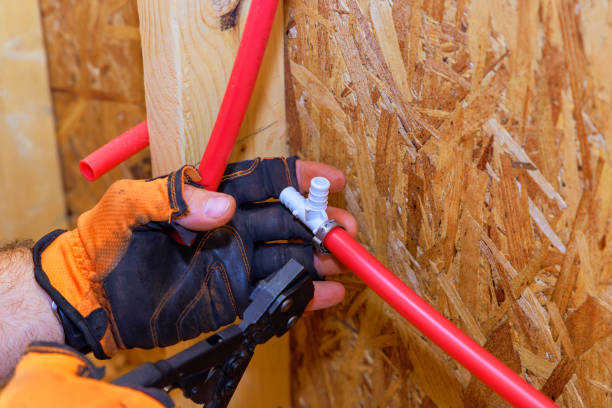
What Are Compression Fittings for PEX Pipes?
Compression fittings are mechanical connectors that join PEX pipes by tightening a compression nut over a ferrule (or ring), creating a tight seal around the pipe. They usually consist of three parts:
- Compression nut
- Compression ring (ferrule)
- Fitting body
These fittings are often made from brass, polyalloy, or stainless steel, and they do not require soldering, glue, or special crimping tools.
Main Features
- Tool-free or minimal tools: Only requires basic hand tools like wrenches
- Versatile: Can connect PEX to copper, CPVC, or fixtures
- Durable materials: Brass and stainless steel resist corrosion
- No heat required: Safe and clean installation
- Certified options: Lead-free fittings are available for potable water
Applications and Uses
Compression fittings are widely used in both residential and commercial applications, particularly for:
- Connecting PEX to faucets, toilets, and ice makers
- Under-sink and appliance shut-off valves
- Transitioning from copper or CPVC to PEX
- Tight spaces where crimping tools won’t fit
- DIY plumbing repairs or fixture replacements
They are especially useful in remodeling and retrofitting old plumbing systems.
Buying Guide: Choosing the Right Fitting
When selecting compression fittings for your PEX pipes, consider the following:
1. Material Quality
- Brass: Strong, reliable, and suitable for hot/cold water
- Polyalloy: Lightweight, corrosion-resistant, and cost-effective
- Stainless Steel: Highly durable, ideal for industrial use
2. Size Matching
- PEX sizes are typically 1/2", 3/4", or 1"
- Match fittings precisely with your pipe size
- Compression side usually fits OD copper tubing sizes like 3/8", 1/2", etc.
3. Certification
- Look for NSF, UPC, or CSA marks for potable water use
- Ensure fittings are lead-free if used in drinking water systems
4. Application Type
- Use straight connectors for in-line connections
- Use angle valves for toilets or faucets
- Consider tees or caps for branching or closing ends
Installation Tips for Compression Fittings on PEX
Follow these tips for a leak-free and durable connection:
- Cut the PEX pipe straight
Use a PEX cutter to ensure a clean cut and proper seating. - Insert a stiffener (if needed)
Many compression fittings require a support insert to prevent PEX collapse. - Slide on the nut and ferrule
Ensure correct orientation—nut first, then the ring. - Push the PEX onto the fitting body
Fully insert the pipe until it bottoms out. - Tighten the compression nut
Use two wrenches to prevent twisting. Tighten firmly, but avoid over-tightening. - Test the connection
Turn on the water and check for leaks. Re-tighten slightly if necessary.
Compression vs Other PEX Connections
| Feature | Compression Fittings | Crimp/Clamp Fittings | Push-to-Connect |
|---|---|---|---|
| Tool Requirement | Wrench | Crimp/clamp tool | No tools |
| Reusability | Low | No | Often reusable |
| Installation Speed | Moderate | Fast | Very fast |
| Ideal For | Fixture/valve connections | Full plumbing systems | Quick repairs, tight spaces |
| Long-Term Reliability | High (if installed well) | Very high | Moderate to high |
Conclusion
Compression fittings for PEX pipes offer a practical and professional way to create secure plumbing connections without specialized tools. Whether you're upgrading fixtures, making transitions from copper lines, or working in small spaces, these fittings provide flexibility, durability, and ease of use.
By selecting the right size, certified material, and installing carefully, you can achieve long-lasting results that perform well under everyday water pressure. For both DIYers and professionals, compression fittings remain a trusted option in modern PEX plumbing systems.