

Introduction
Transitioning from copper piping to PEX is a common task in modern plumbing, especially during renovations or upgrades. Both copper and PEX have distinct advantages, but joining them requires careful selection of fittings to ensure a secure, leak-free connection. Choosing the right fitting method depends on factors like ease of installation, cost, durability, and compatibility with local plumbing codes. This article explores the most common fitting options for copper-to-PEX connections, helping you decide which method works best for your specific needs.
Frequently Asked Questions (FAQ)
1. Can copper and PEX pipes be joined directly?
No. A proper fitting or adapter is necessary to connect copper and PEX pipes securely.
2. What are the common fitting types for copper to PEX?
Common options include push-fit fittings, crimp fittings, compression fittings, and expansion fittings.
3. Which fitting method is easiest for DIY?
Push-fit fittings are typically the easiest as they require no special tools or soldering.
4. Are there any code restrictions for copper to PEX transitions?
Yes. Local plumbing codes may specify approved fitting types and installation practices.
5. How do I ensure a leak-proof connection?
Use certified fittings, follow manufacturer instructions, and test the system under pressure after installation.
Definition and Key Features of Copper to PEX Fittings
Copper to PEX fittings are specialized connectors that allow two different pipe materials—rigid copper and flexible PEX—to be joined in a plumbing system. These fittings bridge the material differences and provide a secure, durable connection. The main types include:
- Push-fit fittings: Also called push-to-connect, they feature internal O-rings that seal tightly when pipes are inserted.
- Crimp or clamp fittings: Use metal rings compressed around the PEX pipe and fitting with special tools.
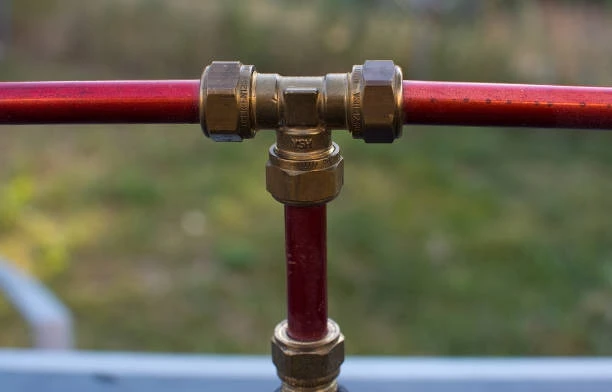
- Compression fittings: Screw-based fittings that compress a ring around the copper pipe and hold the PEX in place.
- Expansion fittings: Involve expanding the PEX pipe with a tool and inserting a fitting that contracts for a tight seal.
Key features across these fittings include ease of installation, reliability, and compatibility with standard pipe sizes.
Common Uses and Applications
Copper to PEX fittings are widely used in:
- Residential plumbing upgrades: Replacing sections of copper with flexible PEX lines.
- New construction: Combining existing copper mains with PEX branch lines.
- Radiant heating systems: Where PEX loops connect to copper manifolds.
- Commercial buildings: For quick repairs or system expansions.
- DIY plumbing projects: Due to the availability of user-friendly fitting options.
Their versatility makes these fittings valuable in almost any plumbing scenario requiring material transitions.
Buying Guide: How to Choose the Right Copper to PEX Fitting
Consider these factors when selecting fittings:
- Material compatibility: Brass or stainless steel fittings resist corrosion and work well with both copper and PEX.
- Installation tools: Push-fit requires minimal tools; crimp and expansion need specific tools.
- Code compliance: Ensure fittings are certified for potable water and meet local regulations.
- Size matching: Confirm pipe and fitting sizes match perfectly for a tight seal.
- Budget and reusability: Push-fit fittings are more expensive but reusable; crimp fittings are cheaper but single-use.

Installation Tips and Best Practices
- Turn off the water supply before beginning work.
- Cut pipes squarely using appropriate pipe cutters.
- Clean and deburr copper pipe ends for smooth fittings.
- Follow manufacturer instructions for each fitting type carefully.
- Use proper tools: crimp tools for crimp rings, expansion tools for expansion fittings.
- Check all connections with a go/no-go gauge if applicable.
- Pressure test the system after installation to check for leaks.
Copper to PEX Fittings Compared to Other Pipe Transition Methods
| Feature | Push-Fit Fittings | Crimp Fittings | Compression Fittings | Expansion Fittings |
|---|---|---|---|---|
| Ease of Installation | Very Easy | Moderate | Moderate | Moderate |
| Tools Required | None or minimal | Crimp tool | Wrenches | Expansion tool |
| Reusability | Yes | No | Yes | No |
| Cost | Higher | Lower | Moderate | Moderate |
| Leak Risk | Low | Low | Moderate | Low |
| Suitability for DIY | Excellent | Good | Fair | Fair |
Conclusion
Choosing the best copper to PEX fitting depends on your project’s requirements, budget, and skill level. Push-fit fittings offer unmatched ease for DIYers, while crimp and expansion fittings provide strong, reliable connections favored by professionals. Compression fittings remain a traditional option but require more careful installation. By understanding each fitting type’s advantages and following best installation practices, you can ensure a durable, leak-free transition between copper and PEX pipes for your plumbing system.