

Introduction
PEX crimp rings are a core component in modern plumbing systems, offering a reliable way to connect PEX tubing to fittings. Thanks to their ease of use and affordability, crimp rings have become one of the most popular connection methods for both DIYers and professional plumbers. In this article, you’ll discover what PEX crimp ring are, how they work, and how to install them correctly. You’ll also learn about their common uses, how to choose the right ones, and how they compare to other connection systems. Whether you're planning a new plumbing layout or upgrading an old one, understanding how PEX crimp rings function will help ensure long-lasting, leak-free results.
Frequently Asked Questions (FAQ)
1. What are PEX crimp rings made of?
Most PEX crimp rings are made from copper, although stainless steel options are also available for corrosive environments or high-moisture areas.
2. Can I reuse PEX crimp rings after removal?
No. Crimp rings are designed for single use only. Once removed or crimped, they cannot be reused and must be replaced with new ones.
3. Do PEX crimp rings work with all types of PEX tubing?
They work best with PEX-B and PEX-C tubing. PEX-A is more commonly used with expansion fittings, though crimp rings can be used with all types if fittings and tools are compatible.
4. What tools are required to install PEX crimp rings?
You’ll need a PEX crimp tool, a pipe cutter, and a go/no-go gauge to ensure the ring is properly crimped and sealed.
5. Are PEX crimp rings approved for use in drinking water systems?
Yes, if they are certified to meet plumbing standards such as ASTM F1807 or CSA B137.5, they are safe for potable water use.
What Are PEX Crimp Rings? Definition and Key Features
PEX crimp rings are circular metal ring used to secure PEX tubing to brass or poly fittings. When compressed using a specialized crimping tool, the ring tightens around the pipe and fitting, creating a water-tight seal. This method is straightforward and cost-effective, which is why it is commonly used in residential and light commercial plumbing systems.
Here are some key features of PEX crimp rings:
- Material: Typically made of copper; stainless steel options offer added corrosion resistance.
- Size: Designed to match standard PEX tubing sizes—3/8”, 1/2”, 3/4”, and 1”.
- Tool Compatibility: Requires a standard PEX crimp tool and a go/no-go gauge for verification.
- Durability: Withstands typical household water pressure and temperatures up to 200°F.
- Ease of Installation: Ideal for DIYers due to its simple installation process.
Crimp rings are widely accepted by plumbing codes and offer a secure connection when installed correctly.
Common Applications and Industries
PEX crimp rings are used across various industries where plumbing systems require efficiency, reliability, and low cost. They are especially popular in the following applications:
- Residential plumbing: Most homes built or renovated in recent years use PEX crimp rings for water supply lines.
- Commercial buildings: Offices, hotels, and multi-family dwellings benefit from quick and secure installations using crimp systems.
- Radiant floor heating: Crimp rings securely connect PEX loops used in hydronic heating systems.
- Agriculture: Greenhouses and irrigation setups often use PEX tubing with crimp fittings for water control.
- Mobile homes and RVs: Due to their flexibility and vibration resistance, PEX systems with crimp rings are ideal for mobile installations.
Because PEX is resistant to scale and corrosion, it performs well in both hot and cold water applications, making crimp rings a go-to solution in many industries.
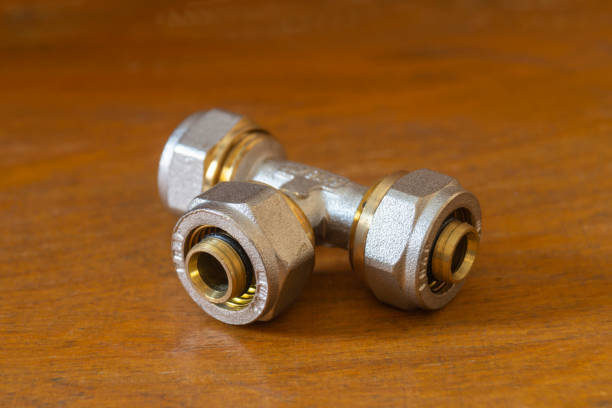
How to Choose the Right PEX Crimp Rings: A Buying Guide
Choosing the right crimp rings is essential for building a safe and long-lasting plumbing system. Here are the most important factors to consider:
1. Material
- Copper crimp rings are the most common and are suitable for most indoor plumbing applications.
- Stainless steel rings are ideal for high-humidity environments or outdoor use where corrosion may occur.
2. Pipe Compatibility
Make sure the crimp ring size matches the outer diameter of your PEX tubing. For example, use a 1/2" crimp ring for 1/2" PEX pipe.
3. Certifications
Look for rings that meet key industry standards:
- ASTM F1807 for metal fittings and copper crimp rings
- CSA B137.5 for Canadian applications
- NSF-certification for potable water use
4. Color Coding
Most copper crimp rings are plain, but some manufacturers offer colored versions for easy pipe-size identification.
5. Brand and Tool Compatibility
Stick to brands that work with your existing PEX tools. Compatibility ensures a proper fit and reduces the risk of leaks.
Installation Tips and Precautions
Installing PEX crimp ring is simple, but proper technique is crucial. Here are step-by-step tips for a smooth and secure installation:
- Cut the PEX Tubing Cleanly
Use a PEX cutter to create a straight, burr-free cut. An angled or jagged cut can lead to a poor seal. - Slide the Crimp Ring Over the Pipe
Before inserting the fitting, slide the crimp ring onto the pipe approximately 1/8” to 1/4” from the end. - Insert the Fitting
Push the fitting into the PEX pipe until it stops. Ensure it's fully seated before crimping. - Crimp the Ring
Use a calibrated PEX crimp tool to compress the ring. Apply consistent pressure and ensure the jaws are fully closed. - Check the Crimp
Use a go/no-go gauge to verify the crimp is within tolerances. If the ring doesn’t pass, cut the pipe and redo the connection. - Avoid Overtightening
Don’t crimp too close to the pipe end, and avoid using excessive force that might deform the fitting. - Test the System
After all connections are made, pressure-test the system to check for leaks before covering the pipes with insulation or drywall.
Following these steps helps ensure a tight, long-lasting seal that won’t fail under pressure.
PEX Crimp Rings vs Other Connection Methods
Here’s how PEX crimp ring compare to other popular PEX connection systems:
| Feature | PEX Crimp Rings | PEX Clamp (Cinch) Rings | PEX Expansion Fittings | Push-Fit Fittings |
|---|---|---|---|---|
| Tools Required | Crimp tool, go/no-go gauge | Clamp tool | Expansion tool | None |
| Skill Level | Easy to moderate | Easy | Moderate | Very easy |
| Reusability | No | No | No | Yes (some brands) |
| Best for PEX Type | PEX-B, PEX-C | PEX-B, PEX-C | PEX-A | All PEX types |
| Cost | Low | Low | Medium | High |
| Installation Speed | Fast | Fast | Slower (due to expansion time) | Very fast |
| Long-Term Performance | Excellent | Excellent | Excellent | Good to excellent |
While each method has advantages, crimp rings strike a balance between cost, ease of use, and durability—especially in residential applications.
Conclusion
PEX crimp ring offer a practical and reliable way to build or repair plumbing systems. Whether you're a seasoned contractor or a weekend DIYer, using crimp rings can streamline your installation while ensuring long-term reliability. From choosing the right ring to using the proper tools and techniques, every step matters in creating a secure, leak-free connection.
By following the best practices outlined in this guide, you'll get the most out of your PEX plumbing system and avoid common pitfalls. If you're looking for a dependable, cost-effective method to connect PEX tubing, crimp rings are an excellent choice.