

Durable PEX Piping has become a top choice in residential and commercial plumbing over the past few decades. Known for its flexibility, durability, and ease of installation, PEX has revolutionized the way water systems are designed and maintained. In this article, we will explore what PEX piping is, how it works, and why it’s becoming the go-to solution for modern plumbing systems.
Whether you’re a contractor, homeowner, or simply curious about building materials, understanding PEX piping can help you make smarter, more efficient decisions.
Frequently Asked Questions (FAQ)
1. What does PEX stand for?
PEX stands for “cross-linked polyethylene,” a type of plastic made more durable through chemical or physical cross-linking.
2. Is PEX piping safe for drinking water?
Yes, Durable PEX Piping is generally certified for potable water use and meets safety standards when sourced from reputable manufacturers.
3. Can PEX be used for both hot and cold water?
Absolutely. PEX piping is designed to handle a wide range of temperatures, making it suitable for both hot and cold water supply.
4. How long does PEX piping last?
With proper installation, PEX piping can last 40–50 years or more, depending on water quality and operating conditions.
5. Can PEX piping be used outdoors or underground?
Yes, but it requires UV-protected versions or insulation for outdoor use and proper burial depth for underground applications.

What Is PEX Piping?
Durable PEX Piping is a type of plastic tubing made from cross-linked polyethylene. The cross-linking process strengthens the material by connecting polymer chains, which makes it more resistant to heat, pressure, and chemicals. There are three main types of PEX piping—PEX-A, PEX-B, and PEX-C—each manufactured using different methods of cross-linking.
The popularity of PEX piping is due to its flexibility, low cost, and reduced need for fittings. Unlike rigid metal or PVC pipes, PEX can bend around corners and obstacles, which saves time and reduces the number of connection points.
Key Features of PEX Pipe
PEX pipe offers several advantages over traditional plumbing materials:
- Flexibility: It can be bent around corners, reducing the need for elbows or couplings.
- Corrosion Resistance: PEX does not rust or scale, unlike metal pipes.
- Freeze Resistance: PEX expands slightly when frozen, reducing the risk of bursting.
- Ease of Installation: No soldering or glue is required; connections use simple crimp or push-fit systems.
- Quiet Operation: PEX absorbs pressure surges, minimizing “water hammer” noise.
- Longevity: It can last decades with minimal maintenance.
These features make PEX a preferred material not only for professionals but also for DIY home improvement projects.
Common Applications and Industries
Durable PEX Piping is widely used in many sectors due to its versatility:
- Residential Plumbing: For hot and cold water supply in kitchens, bathrooms, and laundry rooms.
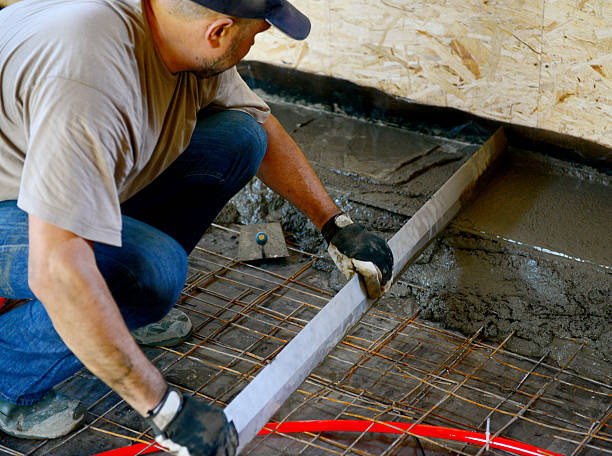
- Radiant Floor Heating: Ideal for underfloor heating systems due to its flexibility and thermal stability.
- Commercial Buildings: Office complexes, hotels, and apartment buildings often use PEX for centralized water systems.
- Retrofits and Renovations: Its flexibility makes it easier to work around existing structures and materials.
- Agricultural and Industrial Use: In non-potable water systems like greenhouses, cooling systems, and chemical processing.
Because PEX handles temperature and pressure well, it fits into a wide range of building projects.
Buying Guide: What to Look for in PEX Piping
Choosing the right Durable PEX Piping involves understanding key specifications:
- Type (PEX-A, B, or C):
- PEX-A is the most flexible and kink-resistant.
- PEX-B is slightly stiffer but more affordable and durable under pressure.
- PEX-C is less common and slightly less flexible.
- Color:
- Red for hot water
- Blue for cold water
- White for universal use
Color coding helps simplify installation and system identification.
- Certifications:
Look for products certified by NSF, ASTM, or CSA. These confirm that the PEX meets safety and performance standards. - Oxygen Barrier (for heating systems):
If you're using PEX in a radiant heating system, make sure it includes an oxygen barrier to prevent corrosion of metal components. - Coil or Stick Form:
PEX is sold in rolls (coils) or straight lengths (sticks). Coils are ideal for long runs with fewer joints.
Installation Tips and Considerations
Installing Durable PEX Piping is generally straightforward, but here are key points to remember:
- Use the Right Tools:
You’ll need crimping or expansion tools depending on the connection method used. - Avoid Direct Sunlight:
Standard PEX degrades with prolonged UV exposure. For outdoor use, choose black UV-resistant PEX or cover the pipe. - Allow for Expansion:
PEX expands and contracts with temperature changes. Leave enough slack or use expansion loops to accommodate movement. - Secure Properly:
Use plastic or coated metal hangers and avoid sharp bends or pressure points that could damage the pipe over time. - Follow Local Codes:
Always consult local plumbing codes to ensure your installation meets legal and safety requirements.
PEX Pipe vs. Other Pipe Materials
| Feature | PEX Piping | Copper Pipe | PVC Pipe |
|---|---|---|---|
| Flexibility | High | Low | Low |
| Cost | Low to Medium | High | Low |
| Corrosion Resistance | Excellent | Moderate | Excellent |
| Installation | Easy (no flame needed) | Requires soldering | Requires glue |
| Noise Level | Quiet | Noisy (water hammer) | Quiet |
| Freezing Resistance | Good (expands) | Poor (bursts easily) | Poor |
| Lifespan | 40–50 years | 50+ years | 30–40 years |
As shown, PEX offers a balance of durability, cost-efficiency, and ease of use that makes it superior for many applications, especially residential plumbing.
Conclusion
PEX piping is a modern solution that meets the demands of today’s plumbing systems. Its flexibility, ease of installation, and long-term reliability make it a strong competitor against traditional materials like copper and PVC. Whether you're building a new home, upgrading an old system, or installing a radiant heating network, PEX piping offers a practical, efficient, and cost-effective answer.
By understanding the different types of PEX, proper installation techniques, and how it compares to other options, you can choose the right piping system with confidence. As technology and materials continue to evolve, PEX remains one of the most trusted choices in the plumbing world.