
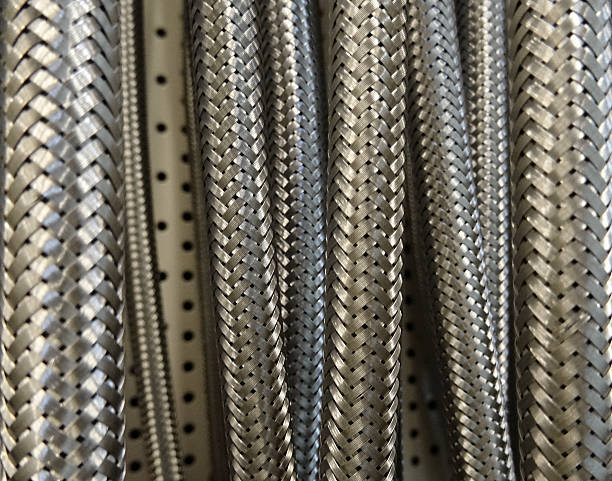
Silicone braided hoses have become indispensable in modern industries requiring reliable fluid transfer under extreme conditions. Combining the flexibility of silicone rubber with the structural reinforcement of braided fibers, these hoses offer superior performance compared to traditional rubber alternatives. This comprehensive guide explores their applications, advantages, and why they represent the future of industrial and commercial fluid handling systems.
Why Silicone Braided Hoses Outperform Traditional Solutions
Modern manufacturing faces increasing demands for materials that withstand harsh environments while maintaining safety and efficiency. Silicone braided hoses rise to these challenges through their unique composition:
- Material Excellence: Constructed from 100% virgin silicone rubber reinforced with polyester or stainless steel braiding
- Temperature Mastery: Operate from -40°C to 220°C (-40°F to 428°F) without degradation
- Certification Compliance: Meet FDA, LFGB, and USP Class VI standards for food and medical contact
- Durability Engineering: Withstand pressures up to 10kg/cm² while maintaining flexibility
These characteristics make silicone braided hoses the preferred choice for professionals seeking long-term reliability in critical applications.
Frequently Asked Questions About Silicone Braided Hoses
1. How do silicone braided hoses differ from standard rubber hoses?
Unlike traditional rubber hoses that use carbon-based polymers, silicone hoses utilize silicon-oxygen bonds that resist thermal degradation. The internal braiding prevents expansion under pressure while maintaining flexibility, solving common issues like kinking and premature failure in rubber hoses.
2. What temperature ranges can these hoses handle?
Industrial-grade silicone braided hoses operate from -40°C to 220°C. Medical and food-grade variants use platinum-cured silicone for enhanced purity, maintaining integrity even during steam sterilization processes.
3. Are these hoses suitable for food and pharmaceutical applications?
Absolutely. Food-grade silicone braided hoses pass rigorous biocompatibility tests including:
- Cell Toxicity Test
- Sensitization Test
- Intracutaneous Reactivity Test
- Hemolysis Test
- Acute Systemic Toxicity Test
They comply with FDA 21 CFR 177.2600 and EU 10/2011 standards for food contact.
4. Can I customize hoses for specific applications?
Leading manufacturers offer extensive customization:
- Diameters from 6mm to 32mm (0.24" to 1.26")
- Wall thickness 3.5mm to 5mm
- Custom lengths up to 15 meters
- Multiple color options including translucent for visual flow monitoring
5. How long do silicone braided hoses typically last?
Under normal operating conditions, these hoses maintain performance for 3-5 years. Factors affecting lifespan include:
- Media transported (chemical compatibility)
- Temperature fluctuations
- Pressure cycles
- UV exposure (outdoor applications)
Understanding Silicone Braided Hose Technology
Core Construction Principles
Modern silicone braided hoses use a three-layer design:
- Inner Silicone Layer: Direct contact with transported media
- Reinforcement Braiding: Polyester or stainless steel fibers for pressure resistance
- Outer Silicone Coating: Protects against environmental factors
This structure enables the hoses to handle pressures up to 10kg/cm² while maintaining a bending radius as tight as 3x the hose diameter.
Key Performance Advantages
- Thermal Stability: Maintain flexibility from arctic to oven-like conditions
- Chemical Resistance: Withstand oils, solvents, and acids without swelling or degradation
- Sterilization Compatibility: Withstand repeated autoclave cycles (121°C/250°F)
- Low Permeation: Prevent media contamination through the hose walls
Diverse Applications Across Industries
The versatility of silicone braided hoses enables their use in demanding environments:
Automotive & Transportation
- Turbocharger Systems: Withstand extreme temperatures in forced induction setups
- Coolant Circuits: Replace rubber hoses prone to failure under thermal stress
- Fuel Systems: Resist ethanol-blended fuels without degradation
Food & Beverage Processing
- CIP (Clean-in-Place) Systems: Handle hot cleaning solutions without degradation
- Dairy Processing: Transfer milk and byproducts under sanitary conditions
- Brewing Industry: Withstand steam sterilization between batches
Medical & Pharmaceutical
- Peristaltic Pump Tubing: Maintain purity in drug delivery systems
- Bioreactor Connections: Resist aggressive media in fermentation processes
- Dialysis Machines: Ensure contamination-free fluid transfer
Industrial Manufacturing
- Chemical Transfer: Handle corrosive substances in processing plants
- Pneumatic Systems: Provide reliable air transfer in automated equipment
- Welding Gas Supply: Withstand high-pressure inert gas delivery
Making the Right Purchase Decision
When selecting silicone braided hoses, consider these critical factors:
- Application Requirements: Match hose specifications to media type, temperature, and pressure
- Certification Needs: Verify FDA/USP compliance for food/medical uses
- Customization Options: Ensure supplier can provide required diameters and lengths
- Supplier Reputation: Choose manufacturers with ISO 9001 certification and proven track records
Leading suppliers like Hebei Orient ADMA Tech Group and Dezhou Flex Silicone Hose Co., Ltd. offer comprehensive solutions with monthly production capacities exceeding 500,000 meters.
Conclusion: The Future of Fluid Handling
Silicone braided hoses represent a paradigm shift in fluid transfer technology. Their unique combination of thermal stability, chemical resistance, and biocompatibility makes them the preferred choice across industries. Whether handling hot oils in automotive systems, sterile fluids in medical equipment, or aggressive chemicals in industrial processes, these hoses deliver unmatched performance and reliability.
Investing in quality silicone braided hose ensures reduced maintenance costs, longer service life, and compliance with stringent safety standards. As manufacturing processes continue evolving toward higher temperatures and stricter purity requirements, silicone braided hose will remain at the forefront of fluid handling innovation.