
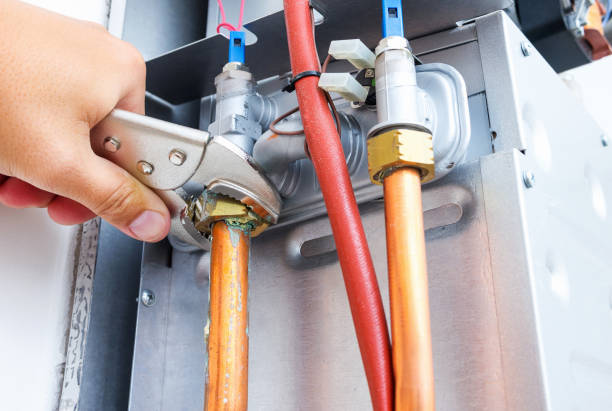
Connecting copper to PEX is a common need in both residential and commercial plumbing projects. As modern plumbing systems evolve, many homeowners and contractors are replacing old copper lines with flexible, durable PEX (cross-linked polyethylene) pipes. This guide explains everything you need to know about transitioning from copper to PEX, including definitions, applications, adapter types, and expert installation tips. Whether you're working on a renovation or a new build, understanding how to connect these two materials correctly will save you time and avoid costly errors.
Frequently Asked Questions (FAQ)
1. Can I connect PEX directly to copper without an adapter?
No. You need a proper adapter or transition fitting to safely and securely join PEX to copper piping. Options include push-fit, threaded, or crimp-style adapters.
2. What’s the best method to connect copper to PEX?
It depends on your system. Push-fit adapters like SharkBite are easy for DIY use, while crimp or expansion fittings are more secure for long-term installations.
3. Do I need to remove old copper pipes before installing PEX?
Not necessarily. If the copper is in good condition, you can transition only where needed using the correct adapters.
4. Are there any code requirements when mixing copper and PEX?
Yes. Always check local plumbing codes. In many regions, PEX must be certified (e.g., ASTM F876/F877) and proper fittings should be used to meet building standards.
5. Can PEX and copper be connected underground?
Yes, but you must use fittings rated for underground use and protect the joint from corrosion, especially with copper.
What Is PEX? Definition and Key Characteristics
PEX (cross-linked polyethylene) is a type of flexible plastic tubing used widely in plumbing systems. It has gained popularity due to its ease of installation, affordability, and resistance to scale and chlorine. PEX is available in various colors—typically red for hot water, blue for cold, and white for general use. Its flexibility allows fewer fittings and reduces installation time, especially in tight or complex layouts.
Key characteristics of PEX include:
- Excellent flexibility and bend radius
- Resistance to corrosion and scaling
- Suitable for both hot and cold water lines
- Compatible with various fitting methods (crimp, clamp, push-fit, expansion)
- Long service life (up to 50 years)
Common Uses and Industries That Use PEX
PEX is a versatile material used across several sectors. Here are the main applications:
- Residential plumbing: PEX is now the preferred choice for home water supply systems.
- Radiant floor heating: Its flexibility and heat resistance make it ideal for hydronic heating.
- Commercial buildings: Offices and hotels use PEX for both water and HVAC systems.
- Remodeling projects: It allows quick retrofits without major demolition.
- Agricultural setups: PEX supports irrigation and water delivery in greenhouses and farms.
Its use spans industries that value durability, flexibility, and cost efficiency.


Choosing the Right PEX and Adapter: A Buying Guide
Before connecting copper to PEX, choosing the right materials is essential. Here's what to look for:
1. PEX Type
- PEX-A (most flexible, ideal for expansion fittings)
- PEX-B (more rigid, usually used with crimp rings)
- PEX-C (least flexible, often used in specific installations)
2. Material and Certification
- Look for NSF-certified or ASTM F876/F877 standards for drinking water safety.
- Ensure fittings and tools are compatible with your PEX type.
3. Adapter Type
- Push-fit (e.g., SharkBite): Easy to install, no special tools needed.
- Crimp fittings: Require a crimp tool and rings; cost-effective for large jobs.
- Expansion fittings: Used with PEX-A and a special expansion tool.
4. Color Coding
- Red for hot water
- Blue for cold water
- White for universal use
This color system improves organization during installation.
5. Pipe Size
- Common residential sizes are 1/2 inch and 3/4 inch.
- For main lines, 1 inch PEX is used for better water flow.
Installation Tips: How to Connect Copper to PEX
To create a leak-free connection, follow these steps:
Step 1: Turn Off Water Supply
Before you begin, shut off the main water supply and drain the line.
Step 2: Cut the Copper Pipe
Use a tubing cutter to make a clean, square cut. Remove any burrs with a deburring tool.
Step 3: Select the Adapter
Choose an appropriate adapter based on the PEX type and your fitting method.
Step 4: Install the Adapter
- For push-fit: Simply push the fitting onto the copper pipe and then insert the PEX pipe.
- For crimp: Slide a crimp ring over the PEX, insert the fitting, and use a crimp tool to secure it.
- For expansion: Expand the PEX with a tool, insert the fitting, and allow it to shrink for a tight seal.
Step 5: Check for Leaks
Turn the water back on and check all joints. Use a pressure test if necessary.
Step 6: Secure the Pipes
Clamp the pipes to prevent movement and provide support where needed.
PEX vs Other Pipe Materials: Comparison
| Feature | PEX | Copper | PVC/CPVC |
|---|---|---|---|
| Flexibility | Very high | Rigid | Rigid |
| Installation Time | Fast | Moderate | Moderate |
| Cost | Lower | Higher | Lower |
| Corrosion Resistance | Excellent | Can corrode over time | Good |
| Freeze Resistance | Expands without bursting | Prone to bursting | Brittle when frozen |
| Tools Required | Basic crimp/expansion tool | Soldering torch | Primer and glue |
| Longevity | Up to 50 years | 50+ years | 40–50 years |
| Drinking Water Safety | High (when certified) | High | Varies by certification |
PEX offers a more flexible, cost-effective alternative, especially for modern residential needs. However, copper remains a durable standard in many applications.
Conclusion
Transitioning from copper to PEX doesn't have to be complicated. With the right tools, certified adapters, and a clear understanding of each pipe's properties, you can ensure a reliable, long-lasting connection. PEX offers remarkable advantages in terms of flexibility, cost, and ease of use, making it an excellent choice for both new installations and upgrades. Whether you're a DIY enthusiast or a professional plumber, this guide helps you make smart decisions when working with copper-to-PEX transitions.
If you're planning your next plumbing project, start by selecting the right adapter—and let PEX do the rest.