
Introduction
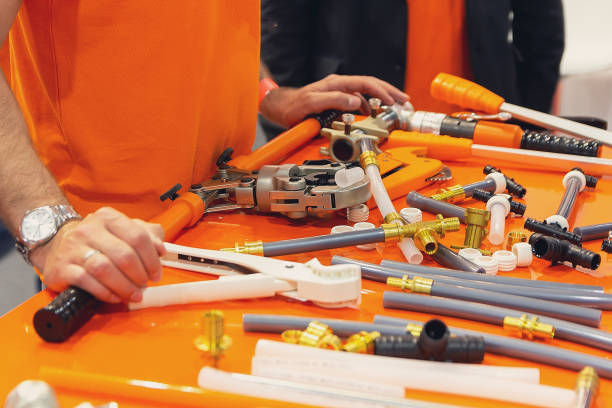
PEX pipe for water supply has grown in popularity for modern plumbing systems because it combines flexibility, durability, and cost-efficiency. Unlike traditional materials such as copper or galvanized steel, PEX pipes resist corrosion, scale, and freeze damage, making them ideal for both residential and commercial water systems. This guide provides essential tips on using PEX pipes for water supply, covering definitions, characteristics, common applications, buying considerations, installation advice, and comparisons with other pipe materials.
FAQ About PEX Pipe for Water Supply
- What is PEX pipe for water supply?
PEX pipe is cross-linked polyethylene designed to transport clean water safely and efficiently. - Can PEX handle both hot and cold water?
Yes, PEX pipes come in types suitable for both hot and cold water distribution. - Is PEX pipe safe for drinking water?
Yes, certified PEX pipes meet NSF or equivalent standards, making them safe for potable water. - How long does PEX pipe last in water supply systems?
Properly installed PEX pipes can last 40–50 years, depending on water quality and usage. - Can PEX replace copper pipes in supply lines?
Yes, PEX often replaces copper due to lower cost, faster installation, and resistance to corrosion.

Definition and Characteristics of PEX Pipe for Water
PEX, or cross-linked polyethylene, is a durable plastic material created by bonding polyethylene molecules. This cross-linking improves strength, flexibility, and temperature resistance. PEX pipes are available in PEX-A, PEX-B, and PEX-C types. All are suitable for water supply systems, though PEX-A offers the highest flexibility, ideal for residential applications.
Key characteristics of PEX pipe for water supply include:
- Flexibility for easy routing with minimal fittings.
- Corrosion and scale resistance, extending pipe life.
- Heat resistance suitable for hot water supply lines.
- Freeze resistance: PEX can expand slightly under freezing conditions, reducing burst risk.
- Cost-effectiveness compared to copper and galvanized steel.
- Long service life, typically 40–50 years.
Common Uses and Applications
PEX pipe for water supply is highly versatile. Typical applications include:
- Residential water supply for kitchens, bathrooms, and laundry rooms.
- Hot and cold water distribution in commercial buildings.
- Radiant floor heating and hydronic systems.
- Water supply for appliances such as dishwashers, water heaters, and washing machines.
- Replacement of aging copper or steel pipes during renovations.
PEX pipes come in various sizes, including 2-inch or larger diameters, suitable for main water supply lines. Their adaptability makes them suitable for both new construction and retrofit projects.
Buying Guide for PEX Pipe for Water Supply
When purchasing PEX pipes for water supply, consider:
- Type of PEX: PEX-A is most flexible; PEX-B is budget-friendly; PEX-C is a moderate option.
- Color Coding: Red for hot water, blue for cold, white for general use. This simplifies installation and maintenance.
- Certification: Look for NSF, ASTM, or local plumbing approvals to ensure safety and quality.
- Size: Choose diameters appropriate for fixture connections and main supply lines.
- UV Protection: Standard PEX cannot be exposed to sunlight; select UV-resistant options if needed.
Installation Tips and Considerations
Proper installation ensures PEX performs well over decades. Key tips include:
- Use the correct joining system: Crimp, clamp, or expansion fittings.
- Protect pipes from sunlight and extreme heat.
- Use pipe supports to prevent sagging, particularly for long runs.
- Test the system under pressure before covering or concealing the pipes.
- Follow manufacturer guidelines for temperature and pressure limits.
Using a manifold system can improve water distribution efficiency and make future maintenance easier.
PEX Pipe for Water Supply vs Other Pipe Materials
Comparing PEX with alternatives helps illustrate its advantages:
| Feature | PEX Pipe for Water Supply | Copper Pipe | PVC Pipe | Galvanized Steel Pipe |
|---|---|---|---|---|
| Flexibility | High, bends easily | Rigid, requires fittings | Rigid, limited flexibility | Rigid, heavy |
| Corrosion Resistance | Excellent, no scaling | Can corrode or pit over time | Good but limited in hot water use | Poor, prone to rust |
| Installation Speed | Fast, fewer fittings needed | Slow, requires soldering | Moderate, solvent welding needed | Very slow, threaded connections |
| Cost | Low to moderate | High | Low | Moderate to high |
| Hot Water Suitability | Excellent | Excellent | Limited, not for hot water | Acceptable but less efficient |
| Lifespan | 40–50 years | 50+ years if maintained | 25–40 years | 20–50 years |
This table shows that PEX offers the best combination of flexibility, durability, and cost-effectiveness for modern water supply systems.
Conclusion
PEX pipe for water supply has become a top choice for plumbing because it is reliable, flexible, and long-lasting. Its resistance to corrosion, suitability for hot and cold water, and ease of installation make it ideal for residential and commercial applications. Selecting certified products, following installation guidelines, and comparing PEX with alternative materials ensures a safe and efficient water supply system. PEX is a smart, future-ready solution for anyone planning new construction or pipe replacement.