
Introduction
Water pipes are the foundation of any plumbing system, and PEX has become one of the leading choices worldwide. Water pipes PEX provide homeowners, contractors, and engineers with a flexible, durable, and cost-efficient solution compared with older materials such as copper, galvanized steel, or even PVC. Because they are easy to install and last for decades, PEX water pipes are now common in both residential and commercial projects. This article explains the essentials of PEX water pipes, including their definition, characteristics, applications, buying tips, installation advice, and comparisons with other materials.
FAQ About Water Pipe PEX
- What are PEX water pipes?
They are cross-linked polyethylene pipes designed for cold and hot water distribution. - Are PEX water pipes safe for drinking water?
Yes, certified PEX pipes that meet NSF or equivalent standards are safe for potable water. - Can PEX water pipes handle hot water?
Yes, PEX can safely handle hot water up to 180°F (82°C). - How long do PEX water pipes last?
With proper installation, PEX pipes can last 40–50 years or more. - Are PEX water pipes better than copper?
In many cases, yes. They are cheaper, easier to install, and resistant to corrosion.
Definition and Characteristics of Water Pipe PEX
PEX stands for cross-linked polyethylene. This material is created by linking polymer chains, which makes the pipe stronger and more heat-resistant than standard polyethylene. PEX is available in different types, most commonly PEX-A, PEX-B, and PEX-C. All three types are safe for water distribution, though they vary slightly in flexibility and installation methods.
Main characteristics of water pipes PEX include:
- Flexibility that allows for easier routing around obstacles.
- Durability against corrosion, scaling, and chlorine.
- Heat resistance for both hot and cold water use.
- Freeze resistance, as the material expands slightly instead of bursting.
- Longevity, with a typical lifespan of several decades.
- Cost-effectiveness compared with copper and steel.

Common Uses and Applications
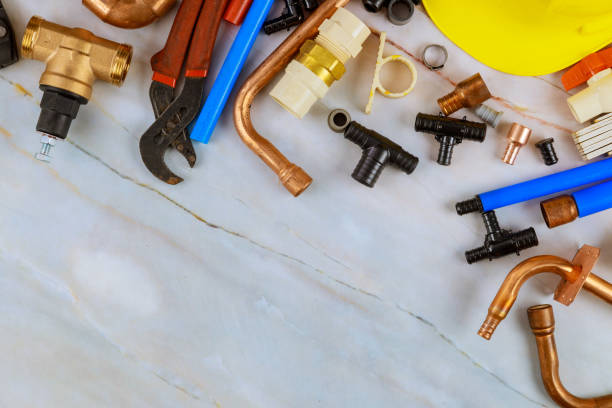
Water pipes PEX are used in many different areas:
- Domestic water supply for kitchens, bathrooms, and laundry rooms.
- Hot and cold water distribution in residential and commercial plumbing.
- Hydronic and radiant floor heating systems.
- Water supply for appliances like dishwashers and washing machines.
- Large-scale systems using 2-inch PEX pipes for main water lines.
Their adaptability makes PEX water pipes suitable for new construction and retrofits alike.
Buying Guide for Water Pipe PEX
When choosing PEX water pipes, consider these factors:
- Type of PEX: PEX-A offers maximum flexibility, PEX-B is cost-effective, and PEX-C is moderately priced.
- Color: Red is usually for hot water, blue for cold, and white for general use.
- Certification: Always check for NSF, ASTM, or local approvals.
- Size: Select diameters that match your flow requirements, from small fixture lines to 2-inch pipes for mains.
- UV Protection: Standard PEX is not UV resistant, so avoid outdoor exposure unless specially rated.
Installation Tips and Considerations
Proper installation ensures the performance and longevity of water pipes PEX:
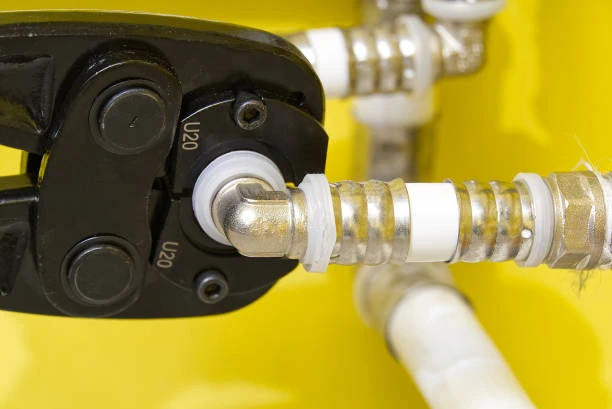
- Use appropriate connection systems like crimp, clamp, or expansion tools.
- Keep PEX away from direct sunlight and high-heat appliances.
- Use pipe supports to prevent sagging, especially in long runs.
- Pressure-test the system before closing walls or floors.
- Follow manufacturer guidelines for temperature and pressure limits.
A manifold system can further simplify installation by creating centralized hot and cold water distribution points.
Water Pipe PEX vs Other Pipe Materials
When comparing PEX water pipes with alternatives, the advantages become clear.
| Feature | Water Pipes PEX | Copper Pipe | PVC Pipe | Galvanized Steel Pipe |
|---|---|---|---|---|
| Flexibility | High, bends easily | Rigid, requires fittings | Rigid, limited flexibility | Rigid, heavy |
| Corrosion Resistance | Excellent, no scaling | May corrode or pit over time | Good but limited in hot water use | Poor, rusts and scales |
| Installation Speed | Fast, fewer fittings | Slow, requires soldering | Moderate, glued joints | Very slow, threaded connections |
| Cost | Low to moderate | High | Low | Moderate to high |
| Hot Water Suitability | Excellent up to 180°F | Excellent | Limited, not for hot water | Acceptable but less efficient |
| Lifespan | 40–50 years | 50+ years if maintained | 25–40 years | 20–50 years |
From this comparison, PEX stands out as the most flexible, efficient, and cost-effective option for modern plumbing systems.
Conclusion
Water pipes PEX have transformed plumbing by offering a versatile and reliable alternative to traditional materials. Their durability, flexibility, and ease of installation make them ideal for both hot and cold water applications in homes and commercial buildings. With proper selection and installation, PEX water pipes can last for decades, providing safe and efficient water distribution. For anyone considering new plumbing installations or upgrades, PEX is a forward-looking and dependable choice.