

1. Introduction
An efficient underfloor heating system depends largely on the pipe layout beneath the floor. Choosing a smart pipe layout not only ensures even heat distribution but also optimizes energy use, reduces running costs, and increases comfort. In this article, we will explore various pipe layout patterns, explain their benefits and drawbacks, and offer tips to design the best layout for your specific heating needs.
2. FAQs About Underfloor Heating Pipe Layouts
Q1: Why does pipe layout matter in underfloor heating?
The layout affects heat distribution and energy efficiency, influencing overall system performance.
Q2: What are the most common pipe layout patterns?
Spiral (or coil), serpentine (meander), and double serpentine are popular patterns.
Q3: Which layout provides the most even heat?
Spiral layouts typically offer more uniform heat across the floor surface.
Q4: Can pipe spacing vary within a layout?
Yes, spacing can be adjusted depending on heat requirements for different zones.
Q5: How does room shape affect pipe layout?
Irregular room shapes may require custom layouts or multiple loops for even heating.
3. Understanding Underfloor Heating Pipe Layouts
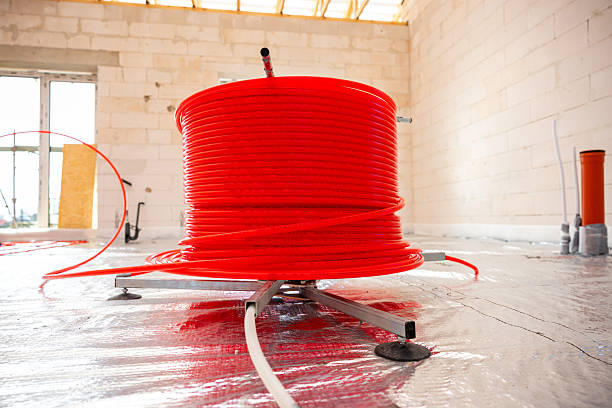
Underfloor heating pipes circulate warm water beneath the floor, and the pattern in which these pipes are laid significantly influences how heat radiates into the room. A poor layout can cause cold spots or inefficient heating, while a well-planned design maximizes comfort and energy savings. The key is balancing pipe length, spacing, and flow rates while considering room size and usage.
4. Common Pipe Layout Patterns
Spiral (Coil) Layout
This pattern starts at the room’s perimeter and coils inward or outward in a spiral shape. It provides even heat distribution and is especially effective in larger or open spaces.
Serpentine (Meander) Layout
In this pattern, pipes run back and forth across the room in parallel lines. It is simpler to install but may cause temperature variations between the start and end of the loop.
Double Serpentine Layout
Combining two serpentine loops side by side, this pattern balances heat better than a single serpentine, making it suitable for high-demand areas.
5. How to Choose the Right Layout
Consider these factors when selecting a layout:
- Room size and shape: Large or irregular rooms benefit from spiral or multiple loops.
- Heat demand: Higher-demand zones might need tighter pipe spacing or double serpentine patterns.
- Installation complexity: Serpentine layouts are easier and faster to install.
- Energy efficiency: Spiral layouts often provide better efficiency by minimizing temperature differences.
6. Tips for Efficient Pipe Spacing and Installation
- Maintain consistent pipe spacing, usually between 100mm to 200mm, depending on heat requirements.
- Use closer spacing near external walls or colder areas to boost heat output.
- Avoid sharp bends to prevent pipe damage and maintain flow.
- Keep each pipe loop under 100 meters to ensure balanced water pressure.
- Label pipe loops clearly for easier maintenance and troubleshooting.
7. Comparing Layouts: Benefits and Drawbacks
| Layout Type | Pros | Cons | Best For |
|---|---|---|---|
| Spiral (Coil) | Even heat, energy efficient | More complex to design and install | Large, open areas |
| Serpentine | Easy installation, cost-effective | Potential uneven heat zones | Small to medium rooms |
| Double Serpentine | Balanced heat output | Uses more pipe and materials | High heat demand zones |
8. Conclusion
Choosing a smart underfloor heating pipe layout is vital for achieving comfortable, efficient, and cost-effective heating. By understanding different patterns and their advantages, as well as considering room specifics and heat demands, you can design a system that performs optimally. Whether you opt for a spiral, serpentine, or double serpentine layout, proper planning and installation will ensure your floors stay warm and energy bills stay low.