

1. Introduction
Properly securing underfloor heating pipes plays a crucial role in the overall performance and longevity of your heating system. Without suitable clips and effective fixing methods, pipes may shift during screeding or flooring installation, which can lead to uneven heating or even damage. Therefore, understanding the different types of pipe clips and how to fix pipes correctly is essential. In this article, we will explore common underfloor pipe clips, various fixing methods, and share expert tips to help you keep your pipes firmly in place and your heating system running smoothly for years to come.
2. FAQs About Underfloor Pipe Clips and Fixing Methods
To begin with, here are some common questions people ask about underfloor pipe clips and fixing techniques:
Q1: Why is it necessary to use clips for underfloor heating pipes?
Clips ensure pipes remain securely fixed in position, preventing any movement during screeding or flooring, which guarantees consistent heat output.
Q2: What are the main types of clips available?
The most common clips include plastic staples, clip rails, fixing strips with nails, and adhesive fixings.
Q3: Can I use nails or screws directly on the pipes?
No, directly nailing or screwing pipes is likely to cause damage, resulting in leaks and costly repairs.
Q4: How frequently should clips be placed along the pipe?
Generally, clips should be spaced every 300 to 500 mm, with closer intervals near bends to provide extra support.
Q5: Are these clips reusable after installation?
Most clips are designed for one-time use and generally cannot be reused once fixed.
3. Basic Definitions and Characteristics of Underfloor Pipe Clips
Underfloor pipe clips are fastening devices used to hold heating pipes firmly in place on various substrates such as insulation boards, concrete slabs, or timber floors. They are typically made from durable plastic or metal materials and are designed to fit specific pipe diameters, most commonly 10mm, 12mm, or 16mm pipes.
These clips share several important characteristics:
- They are heat and moisture resistant, ensuring long-term durability.
- Sized precisely to hold pipes tightly without causing deformation.
- Designed for quick and easy installation using nails, staples, or adhesives.
- Engineered to protect pipes by avoiding piercing or crushing.
Selecting the right clips ensures your pipes remain secure and undamaged throughout the system’s life.
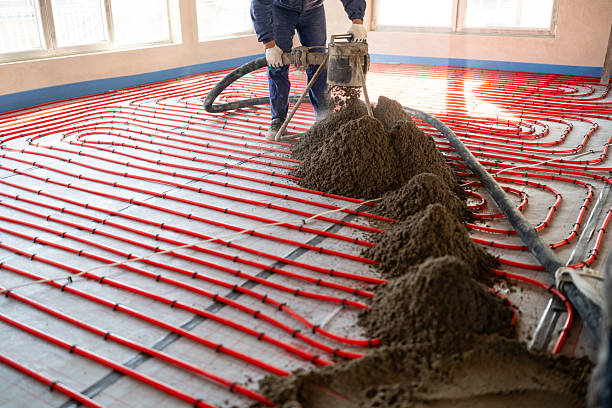
4. Common Applications and Industries
Underfloor pipe clips find wide applications across multiple sectors. For example:
- In residential homes, including single-family houses and apartments.
- Commercial buildings such as offices, hotels, and retail spaces with radiant heating.
- Industrial settings like warehouses and workshops requiring underfloor heating.
- Agricultural greenhouses where controlled heating is vital for plant growth.
- Renovation projects upgrading old floors with modern heating systems.
In all these scenarios, properly fixed pipes are critical for reliable and efficient heating.
5. Choosing the Right Clips and Fixing Methods
When selecting clips and fixing techniques, several factors come into play. Firstly, consider the material and compatibility. Opt for durable plastic or corrosion-resistant metal clips designed to fit your pipe diameter precisely—for instance, 16mm clips for 16mm pipes.
Secondly, choose your fixing method according to the substrate:
- For insulation boards, plastic staples or clip rails offer secure yet non-invasive fixing.
- When fixing on concrete slabs, nail-attached fixing strips provide robust retention.
- On timber floors, use screw-fixed clips specially designed to avoid damaging pipes.
- Adhesive fixings are suitable for smooth and clean surfaces, though they are less common.
Lastly, follow recommended clip spacing—generally 300 to 500 mm along straight runs and 150 to 200 mm near bends—to ensure the pipes stay firmly in place.
6. Installation Considerations and Tips
Before fixing the pipes, it’s important to prepare the floor surface by cleaning and leveling it. This ensures clips can adhere or be nailed securely. While installing, avoid over-tightening the clips, as this might deform or crush the pipes, compromising their integrity.
Using the appropriate tools such as pipe staple guns, hammer tackers, or clip applicators will speed up the process and improve consistency. Additionally, always check clip condition during installation and replace any damaged or broken ones immediately.
Where possible, label each pipe loop for easier identification during future maintenance, which saves time and reduces errors.
7. Underfloor Pipe Clips vs. Other Fixing Methods (Comparison Table)
| Feature | Pipe Clips (Staples, Rails) | Fixing Strips with Nails | Adhesive Fixings | Loose Fixing (Weighted Mats) |
|---|---|---|---|---|
| Security | High | Very High | Moderate | Low |
| Ease of Installation | Easy | Moderate | Easy | Very Easy |
| Pipe Protection | Excellent (non-damaging) | Good | Good | Poor |
| Suitable Substrates | Insulation boards, timber floors | Concrete slabs, timber floors | Smooth surfaces | Temporary setups |
| Reusability | Single-use | Single-use | Varies | Temporary |
This comparison helps you choose the best fixing method based on your floor type and project needs.
8. Summary
In conclusion, understanding the types of underfloor pipe clips and the appropriate fixing methods is essential for installing a reliable and efficient underfloor heating system. By selecting clips that match your pipe size and substrate, installing them at recommended intervals, and following best installation practices, you can prevent pipe movement and damage. This careful approach will result in even heat distribution, improved energy efficiency, and long-lasting comfort.