
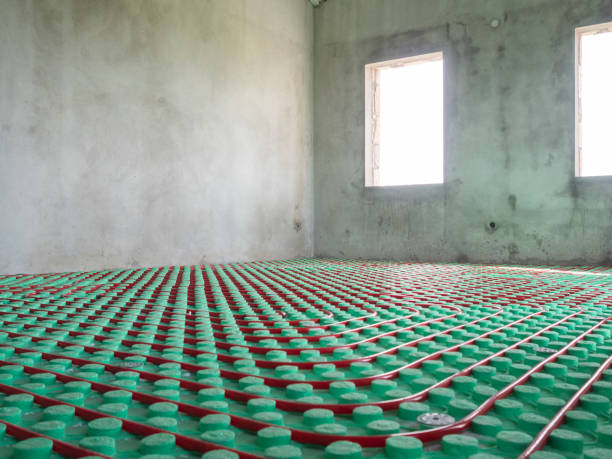
Underfloor Heating Pipe Guide: Sizes, Clips & Layout Tips
Underfloor heating systems are becoming a preferred choice for energy-efficient and comfortable indoor heating. At the heart of these systems lies the underfloor heating pipe, a vital component responsible for delivering warm water through a concealed network beneath your floors. Whether you're designing a new build or upgrading an existing heating system, choosing the right pipe size, layout method, and fixing clips can significantly impact performance and longevity. This comprehensive guide will help you understand the key aspects of underfloor heating pipes, including types, sizes, applications, and installation considerations.
FAQ: Underfloor Heating Pipe
1. What is the best pipe size for underfloor heating systems?
Most professionals recommend 16mm pipes for standard residential systems due to their balance between flow rate and flexibility.
2. Can I use regular plastic pipe for underfloor heating?
No, underfloor heating pipes must be made of materials designed to withstand constant heat and pressure, such as PEX or PE-RT.
3. Are clips necessary for installing underfloor heating pipes?
Yes, clips hold the pipe securely to insulation boards or fixing rails, ensuring proper spacing and preventing movement during installation.
4. What’s the typical layout for underfloor heating pipes?
The most common layouts are spiral and serpentine (meander). The choice depends on room shape, heat distribution, and ease of installation.
5. How long do underfloor heating pipes last?
When properly installed, underfloor heating pipes can last over 50 years, making them a durable and reliable investment.


What Is an Underfloor Heating Pipe?
An underfloor heating pipe is a flexible, durable tubing designed to carry heated water through the subfloor in hydronic heating systems. These pipes distribute heat evenly across a surface, providing radiant warmth from the ground up. Unlike traditional radiators that heat air, underfloor heating relies on low-temperature water flowing through a network of pipes, delivering consistent comfort.
Key Characteristics:
- Made of PEX, PE-RT, or multilayer materials
- Flexible and easy to bend during installation
- Resistant to high temperatures and pressure
- Usually comes in 10mm, 12mm, or 16mm diameters
- Works with most boiler and heat pump systems
The most commonly used pipe type is PEX-a or PEX-b, known for its heat resistance and long lifespan. In some cases, multilayer pipes (PEX-AL-PEX) offer added strength and reduced expansion.
Common Uses and Applications
Underfloor heating pipes are suitable for a wide range of buildings and applications. Their hidden layout allows for greater design freedom and consistent warmth throughout a space.
Where They're Used:
- Residential Homes: Living rooms, kitchens, bathrooms, and even entire houses.
- Commercial Buildings: Offices, showrooms, restaurants, and retail spaces.
- Industrial Warehouses: Especially when even heat distribution is required over large floor areas.
- Green Buildings: As part of sustainable and energy-saving heating solutions.
Underfloor systems are also often paired with renewable energy sources like solar thermal systems and heat pumps, further enhancing energy efficiency.
Buying Guide: How to Choose the Right Pipe
When choosing an underfloor heating pipe, there are several key factors to consider. A poor-quality pipe can lead to uneven heating, system failure, or high maintenance costs.
Key Criteria:
- Material
Look for pipes made of PEX-a, PEX-b, or PE-RT. These materials offer high flexibility, durability, and thermal resistance. - Size
- 10mm: Ideal for small rooms or retrofit projects
- 12mm: Suitable for low-profile systems and quicker warm-up
- 16mm: Most commonly used in standard residential and commercial installations
- Color
Many pipes come in red, white, or blue, but the color is often just for identification. Focus on performance, not appearance. - Oxygen Barrier
Pipes with an EVOH oxygen barrier prevent air from entering the system, reducing corrosion and improving the life of components. - Certifications
Choose pipes that meet standards like ISO, DIN, or CE certifications to ensure safety and quality. - Brand Reputation
Stick to well-known manufacturers or suppliers that offer warranties and customer support.
Installation Tips and Precautions
Installing underfloor heating pipes requires careful planning and execution. While professionals typically handle installation, knowing the process helps ensure success.
Important Tips:
- Spacing: Maintain consistent spacing (usually 100–200mm) between pipe loops to ensure even heat.
- Fixing Clips: Use reliable pipe clips, staples, or mounting rails to keep the pipe in place during screeding.
- Pressure Testing: Always perform a pressure test before covering the pipes to detect any leaks.
- Bending Radius: Avoid sharp bends; follow manufacturer recommendations for the minimum bending radius.
- Expansion Gaps: Leave gaps at floor joints or transitions to accommodate pipe movement during temperature changes.
Improper installation can lead to cold spots, pipe damage, or system inefficiency, so every step counts.
Underfloor Heating Pipe vs Other Pipe Types
| Feature | Underfloor Heating Pipe | Standard PEX Pipe | Copper Pipe | PVC Pipe |
|---|---|---|---|---|
| Flexibility | High | Medium | Low | Low |
| Heat Resistance | Excellent | Good | Excellent | Poor |
| Corrosion Resistance | High | High | Medium | Medium |
| Lifespan | 50+ years | 20–30 years | 30+ years | 10–15 years |
| Oxygen Barrier Option | Yes | Sometimes | No | No |
| Cost | Moderate | Low to moderate | High | Low |
| Suitability for UFH | Ideal | Possible | Not recommended | Not suitable |
This table shows that while other pipe types have their uses, only underfloor heating pipes are specifically engineered for the temperatures, pressure, and flexibility required by hydronic floor systems.
Conclusion
Choosing the right underfloor heating pipe is crucial to building an efficient and long-lasting heating system. From understanding pipe sizes and materials to planning the layout and securing pipes with clips, every step plays a role in ensuring comfort and performance. Whether you’re a homeowner looking to renovate or a contractor planning a new installation, this guide offers the insights you need to make informed decisions. With the proper materials and installation practices, underfloor heating can provide cozy warmth and energy savings for decades.