

Selecting the right underfloor heating pipe is one of the most critical steps when installing a hydronic floor heating system. The type, size, and quality of the pipe you choose directly affect the performance, efficiency, and longevity of the entire setup. With various options available—such as PEX-a, PEX-b, PE-RT, and multilayer pipes—it’s essential to understand which pipe suits your needs best. This article will guide you through the key factors to consider when choosing underfloor heating pipes and help you make an informed decision for your residential or commercial project.
FAQ: Choosing Underfloor Heating Pipes
1. What type of pipe is best for underfloor heating?
PEX-a and multilayer (PEX-AL-PEX) pipes are commonly considered the best due to their flexibility, durability, and oxygen barrier layers.
2. What pipe size should I use?
For most residential systems, 16mm is the standard. However, 10mm and 12mm are also used in smaller or low-profile setups.
3. Does the pipe color matter?
No, color is mainly for identification. Performance and material quality are far more important.
4. Are oxygen barrier pipes necessary?
Yes. Oxygen barriers help prevent corrosion in metallic system components, improving system life and performance.
5. Can I mix pipe types in one system?
It’s not recommended. Mixing different types of pipes can lead to uneven heating, connection issues, or material incompatibility.
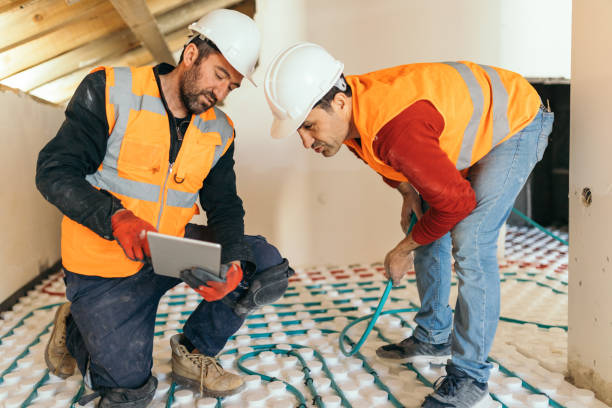
Why Pipe Selection Matters in Underfloor Heating
The pipe is the core of a water-based underfloor heating system. It circulates warm water under the floor to generate heat through radiation. A good pipe ensures:
- Even heat distribution
- Energy efficiency
- Long system lifespan
- Minimal maintenance
- Structural integrity under pressure
Using a poor-quality or unsuitable pipe may lead to leaks, high energy bills, or uncomfortable temperature variations.
Key Pipe Types for Underfloor Heating
1. PEX-a (Cross-linked Polyethylene Type A)
- Highly flexible and easy to install
- Resistant to kinks and stress cracking
- Ideal for complex layouts
- Slightly more expensive than other PEX types
2. PEX-b (Cross-linked Polyethylene Type B)
- Good balance of performance and cost
- Less flexible than PEX-a
- Common in budget systems
3. PE-RT (Polyethylene of Raised Temperature Resistance)
- No cross-linking; fully recyclable
- More eco-friendly alternative
- Suitable for lower temperature systems
- Slightly lower pressure resistance than PEX
4. Multilayer Pipe (PEX-AL-PEX)
- Combines PEX and aluminum
- Very low thermal expansion
- Maintains shape after bending
- Excellent for long, straight runs
Pipe Size Guide: What Diameter Should You Choose?
Choosing the right pipe diameter is just as important as selecting the material. The size impacts the system’s flow rate, heat output, and ease of installation.
| Pipe Size | Best For | Notes |
|---|---|---|
| 10mm | Small rooms, retrofits | Quick warm-up, less water volume needed |
| 12mm | Low-profile systems, upstairs floors | Good compromise between 10mm and 16mm |
| 16mm | Standard residential and commercial use | Most common, suitable for all applications |
For larger commercial spaces, 20mm pipes may also be used, but they require more planning and higher pump pressure.
What to Look for When Buying Underfloor Heating Pipe
1. Material Quality
Ensure the pipe is made from high-grade polymers or multilayer composites. Poor-quality pipes can degrade over time.
2. Certifications
Look for certifications like ISO 15875, DIN 4726, or CE, which indicate that the pipe meets international performance standards.
3. Oxygen Barrier Layer
A pipe with an EVOH oxygen barrier helps prevent rust and corrosion in metallic parts like manifolds and pumps.
4. Flexibility and Bend Radius
A flexible pipe reduces installation time and labor. PEX-a and PE-RT are the most flexible options.
5. Operating Temperature and Pressure
Ensure the pipe can handle temperatures up to 90°C and pressures of at least 6 bar for safety and longevity.
Application-Based Pipe Recommendations
Residential Homes:
- PEX-a or PE-RT
- 16mm pipe
- Suited for bathrooms, kitchens, and open living areas
Apartments or Retrofits:
- 10mm or 12mm PEX-b
- Ideal for low build-up height systems
Commercial Buildings:
- Multilayer (PEX-AL-PEX)
- Low expansion and high strength for large areas
Eco-Friendly Projects:
- PE-RT
- Recyclable and compatible with renewable energy systems
Mistakes to Avoid When Choosing Pipes
- Don’t choose pipes based only on price – Cheaper pipes may fail over time.
- Avoid mixing pipe types – It can cause compatibility and performance issues.
- Never skip the oxygen barrier – This can lead to system corrosion and pump failure.
- Don’t use pipes not rated for UFH – Regular pipes may not handle heat and pressure.
Underfloor Heating Pipe vs Traditional Heating Pipes
| Feature | Underfloor Heating Pipe | Standard PEX Pipe | Copper Pipe |
|---|---|---|---|
| Designed for UFH | Yes | Sometimes | No |
| Oxygen Barrier | Yes (essential) | Optional | No |
| Flexibility | High | Medium | Low |
| Thermal Expansion | Controlled | Higher | Minimal |
| Installation Ease | Easy | Moderate | Difficult |
| Lifespan | 50+ years | 20–30 years | 30+ years |
Final Thoughts
Choosing the best underfloor heating pipe means balancing flexibility, durability, efficiency, and cost. Focus on trusted materials like PEX-a or multilayer pipes, stick to proven sizes such as 16mm, and ensure you select pipes with proper certifications and oxygen barriers. Whether you're working on a home renovation, new build, or commercial space, the right pipe will ensure your underfloor heating system runs efficiently and lasts for decades.
For a warm, comfortable floor and low energy bills, it all starts with the right pipe.