
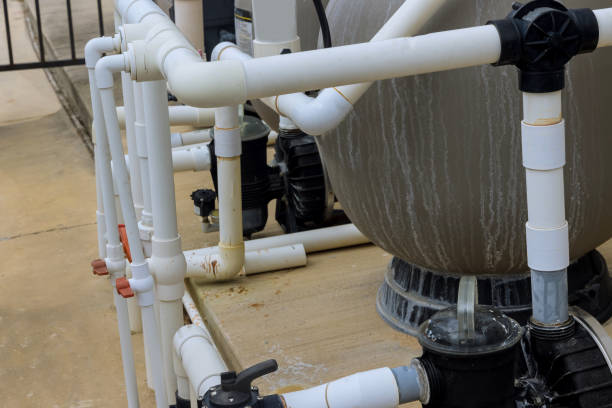
Introduction: The Role of PPH Valves in Industrial Systems
In modern industrial systems, controlling fluid flow with accuracy and reliability is essential. Industrial PPH valves, made from Polypropylene Homopolymer, offer excellent performance in harsh environments, particularly where chemicals and corrosive fluids are present. These valves provide a lightweight, corrosion-resistant, and cost-effective solution for various fluid control applications. In this article, we will explore what industrial PPH valves are, their advantages, main applications, selection tips, installation notes, and how they compare with other types of valves.
FAQ: Common Questions About Industrial PPH Valves
1. What are PPH valves made of?
They are made from polypropylene homopolymer, a durable thermoplastic known for chemical and thermal resistance.
2. Where are PPH valves typically used?
They are widely used in chemical processing, water treatment, pharmaceuticals, and other industries dealing with corrosive media.
3. Are PPH valves suitable for high temperatures?
Yes, PPH valves can handle moderate to high temperatures, typically up to 95°C, depending on the design and application.
4. How long do industrial PPH valves last?
With proper installation and maintenance, these valves can function effectively for many years, even in aggressive environments.
5. Can PPH valves be used with other plastic piping systems?
Absolutely. They are compatible with many plastic piping materials like PPR, PVC, and PVDF, depending on the connection method.
What Are Industrial PPH Valves?
Industrial PPH valves are fluid control components used to start, stop, or regulate the flow of liquids and gases in a system. Made from polypropylene homopolymer, these valves are designed to resist corrosion, pressure, and moderate heat, making them ideal for harsh environments.
Unlike metal valves, PPH valves are lightweight, easy to install, and resistant to rust and scaling. They are typically available in several types such as ball valves, diaphragm valves, and check valves, each designed for specific industrial needs.
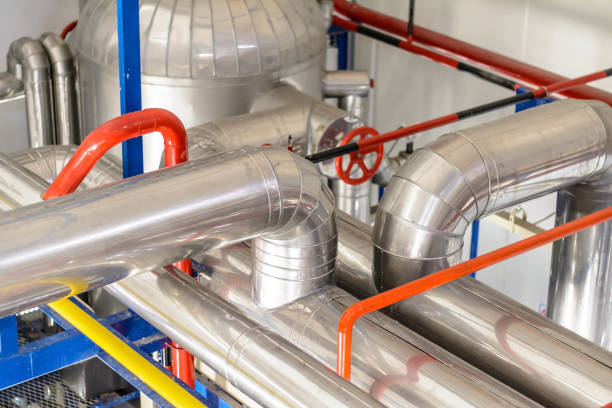
Key Features and Benefits
There are several reasons why industries prefer PPH valves:
- Chemical Resistance: They can resist a wide range of aggressive acids, alkalis, and solvents.
- Lightweight Construction: Easier to transport and install compared to metal valves.
- Non-Corrosive: PPH does not corrode, even when exposed to salty or acidic solutions.
- Thermal Stability: They perform well under continuous temperatures up to 95°C.
- Low Maintenance: Once installed, PPH valves require minimal maintenance over their lifespan.
- Cost-Effective: They offer a balance between performance and price, especially in systems exposed to chemical stress.
Because of these advantages, industrial PPH valves are a preferred choice in many sectors looking for long-term, low-risk fluid control.
Typical Applications in Industry
Industrial PPH valves are highly versatile and can be used in:
- Chemical processing plants: For transferring corrosive fluids safely.
- Water and wastewater treatment: Where reliability and chemical resistance are key.
- Food and beverage manufacturing: For non-toxic, corrosion-free flow control.
- Mining and metallurgy: In aggressive slurry or acidic fluid lines.
- Agriculture and irrigation: Where long-term exposure to fertilizers and chemicals is common.
In each case, PPH valves offer durability and efficiency, helping reduce system downtime and maintenance costs.
Selection Guide: How to Choose the Right PPH Valve
Choosing the correct industrial PPH valve involves multiple considerations:
- Valve Type: Decide whether you need a ball valve, check valve, butterfly valve, or diaphragm valve based on the application.
- Pressure and Temperature Ratings: Confirm that the valve can handle the operating pressure and temperature of your system.
- End Connection Type: Choose between socket weld, threaded, or flanged connections, depending on your piping.
- Media Compatibility: Make sure the PPH material is resistant to the fluid or gas in your system.
- Certification: Look for valves that comply with ISO, DIN, or ASTM standards for quality assurance.
By evaluating these factors, you can ensure reliable and safe valve performance in your application.
Installation Considerations
Proper installation is key to the effective operation of industrial PPH valves:
- Ensure pipe alignment to avoid stress on the valve body.
- Use recommended tools and torque settings for connection.
- Avoid overtightening, especially for threaded or mechanical joints.
- Install in the correct orientation, particularly for check valves or flow-direction-sensitive designs.
- Perform a leak test before starting full system operation.
Good installation practices help maximize valve life and maintain system performance over time.
PPH Valves vs. Other Valve Materials
| Feature | PPH Valves | PVC Valves | Metal Valves |
|---|---|---|---|
| Corrosion Resistance | Excellent | Good | Moderate |
| Weight | Lightweight | Lightweight | Heavy |
| Chemical Resistance | Excellent | Good | Moderate |
| Cost | Moderate | Low | High |
| Heat Resistance | Up to 95°C | Up to 60°C | High |
| Lifespan in Chemicals | Long | Medium | Short |
Compared to other options, PPH valves offer a well-balanced solution in systems where chemical exposure and reliability are top priorities.
Conclusion: Smart Choice for Industrial Fluid Control
To summarize, industrial PPH valves provide an ideal solution for fluid control in demanding environments. Thanks to their chemical resistance, thermal stability, and lightweight construction, they reduce system maintenance, improve performance, and ensure safety.
Whether you’re building a chemical line, a water treatment facility, or an industrial production system, choosing the right PPH valve will deliver long-term value and efficiency. With proper selection and installation, these valves can enhance operational reliability while lowering overall costs.