

Introduction
When designing or maintaining piping systems, selecting the right coupling is critical for safety and reliability. Specifically, pressure-rated PPH (Polypropylene Homopolymer) couplings ensure secure, leak-proof connections that withstand internal pressure and harsh chemical exposure. Consequently, these couplings are essential in many demanding industries. In this guide, we will thoroughly explain what pressure-rated PPH couplings are, highlight their benefits, explore typical applications, and provide helpful tips for selection and installation.
FAQ: Common Questions About Pressure-Rated PPH Couplings
1. What does “pressure-rated” mean for PPH coupling?
Simply put, it means these couplings are tested and certified to safely handle specific internal pressures without leaking or failing.
2. Where are these couplings commonly used?
They find applications in chemical plants, water treatment, agriculture irrigation, and various industrial fluid transport systems.
3. How do I select the right pressure rating?
It’s important to choose a coupling with a pressure rating higher than your system’s maximum operating pressure for added safety.
4. Are pressure-rated PPH couplings resistant to chemicals?
Yes, PPH material resists a wide array of acids, bases, and solvents, making these couplings highly durable.
5. Can I reuse these couplings?
Reuse depends on the coupling’s design and condition, but generally, it’s best to follow manufacturer recommendations.

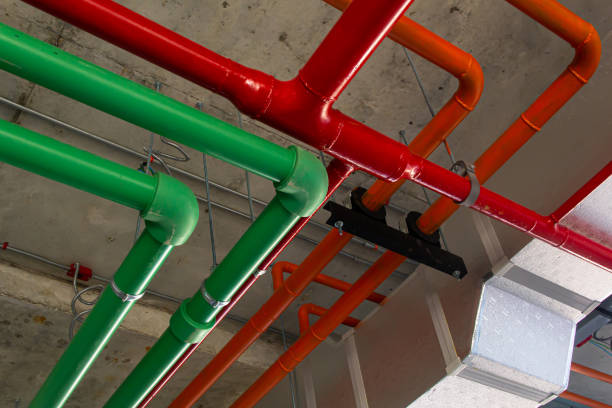
What Exactly Are Pressure-Rated PPH Couplings?
To begin with, pressure-rated PPH couplings are mechanical fittings made from high-quality polypropylene homopolymer. They serve the crucial role of securely joining two pipe ends, ensuring the joint withstands the internal pressures typical of many industrial applications. Unlike non-pressure couplings, these are manufactured to meet rigorous standards, which guarantee performance and safety under specific pressure ratings.
Because PPH is inherently resistant to corrosion and chemical attack, these couplings offer superior longevity compared to metal or other plastic options. Furthermore, their lightweight nature simplifies handling and installation, reducing labor costs and risks.
Benefits of Pressure-Rated PPH Coupling
First and foremost, these couplings provide high pressure resistance, making them reliable under demanding operating conditions. Moreover, their excellent chemical resistance allows use in aggressive environments without degradation. Also, thanks to their lightweight construction, installers find them easier and safer to handle compared to heavy metal couplings.
In addition, PPH couplings are corrosion-free, eliminating the risk of rust and extending service life significantly. Furthermore, their versatility enables compatibility with different pipe sizes and system designs, giving engineers and technicians flexibility in their projects.
Therefore, when considering durability, safety, and cost-effectiveness, pressure-rated PPH couplings stand out as an excellent choice.
Typical Applications of Pressure-Rated PPH Couplings
Naturally, these couplings are popular in many sectors. For example, chemical processing plants depend on them to manage highly corrosive fluids safely. In water treatment facilities, they ensure leak-proof pipe connections carrying potable or wastewater. Meanwhile, agricultural irrigation systems use them to connect pipes subjected to fluctuating pressures and harsh environmental conditions.
Besides, industrial manufacturing processes rely on pressure-rated PPH couplings to transport various fluids reliably. Lastly, HVAC systems incorporate them for their resistance to corrosion and adequate pressure handling.
Hence, these couplings provide dependable performance across a wide range of industrial and agricultural applications.
How to Choose the Right Pressure-Rated PPH Coupling
To make the best selection, start by confirming the pressure rating meets or exceeds your system’s highest operating pressure. Additionally, verify the coupling’s size compatibility with your pipes and wall thickness. Moreover, check chemical compatibility to ensure the coupling can handle the fluids in your application without damage.
Importantly, look for industry certifications such as ISO or ASTM to guarantee quality and safety compliance. Finally, select the appropriate coupling type—whether socket weld, butt weld, or mechanical compression—based on your system’s installation requirements.
By carefully considering these factors, you will ensure long-term system integrity and safety.
Installation Best Practices for Pressure-Rated PPH Couplings
Equally important, correct installation maximizes coupling performance. Therefore, always clean pipe ends thoroughly before joining to prevent contamination and leaks. Additionally, use recommended tools and techniques as specified by the manufacturer.
Moreover, avoid overtightening mechanical couplings to prevent damage to the fitting or pipe. Also, allow for thermal expansion and contraction by incorporating proper supports and spacing. Finally, perform regular inspections to detect early signs of wear or leaks and address them promptly.
Following these installation practices will help ensure your system remains reliable and efficient for years to come.
Comparing Pressure-Rated PPH Coupling with Other Materials
| Feature | PPH Couplings | PVC Couplings | Metal Couplings |
|---|---|---|---|
| Pressure Resistance | High | Moderate | Very High |
| Chemical Resistance | Excellent | Good | Moderate |
| Weight | Lightweight | Lightweight | Heavy |
| Corrosion Resistance | Excellent | Moderate | Low (rust risk) |
| Ease of Installation | Easy | Easy | Requires tools |
| Cost | Moderate | Low | High |
From this comparison, it’s clear that pressure-rated PPH couplings offer a balanced combination of strength, chemical resistance, and ease of use, often at a lower total cost than metal options.
Conclusion
In conclusion, pressure-rated PPH couplings are an excellent solution for fluid systems requiring secure, durable, and chemically resistant connections. Their lightweight design and resistance to corrosion reduce maintenance and installation challenges. Furthermore, their wide range of pressure ratings and sizes ensures compatibility with many industrial and agricultural systems.
Therefore, by selecting the right coupling and following proper installation practices, you can build piping systems that are safe, efficient, and long-lasting.