

1. Introduction
Braided silicone hose have become a critical component in modern construction projects. Whether it's plumbing, HVAC systems, or machinery connections, these hoses provide flexibility, durability, and safety in demanding environments. Their reinforced structure allows them to withstand high pressure and temperature variations, making them ideal for various construction applications. This article explores the key features, practical uses, and benefits of braided silicone hoses specifically in construction settings. If you're a contractor, engineer, or project manager, understanding how to use these hoses efficiently will help improve performance and reduce maintenance issues in your installations.

2. Frequently Asked Questions (FAQ)
1. What is a braided silicone hose used for in construction?
It is used to transport fluids or air under pressure, particularly in HVAC systems, machinery, water pumps, and building plumbing installations.
2. Can I use a braided silicone hose for high-temperature environments?
Yes. Silicone has excellent heat resistance, and the braided reinforcement allows the hose to perform well even in extreme temperature fluctuations.
3. Is a braided silicone hose resistant to chemical exposure?
Generally, yes. Silicone is resistant to many chemicals, although compatibility should always be checked based on the specific fluid in use.
4. How do I install a braided silicone hose in a building project?
Cut the hose cleanly, attach it with secure clamps or fittings, and ensure it has no sharp bends. Avoid twisting and check pressure ratings before use.
5. What sizes and pressure ratings are available for braided silicone hoses?
They come in a wide range of inner diameters (usually from 1/8” to 2” or more) and pressure ratings that can range from 150 psi up to 600 psi or higher depending on the manufacturer and application.
3. Basic Definition and Characteristics
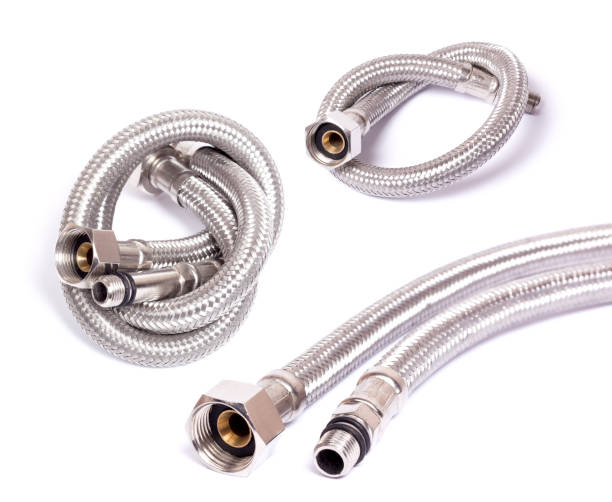
A braided silicone hose is a flexible tubing made from silicone rubber that is reinforced with a layer of braided polyester, fiberglass, or stainless steel. The silicone provides elasticity and resistance to heat and aging, while the braided layer enhances pressure tolerance and durability.
One of the key reasons braided silicone hoses are chosen over regular rubber hoses is their combined performance benefits. They remain flexible across a broad temperature range, typically from -60°C to 200°C (-76°F to 392°F), and they maintain structural integrity even under pressure. They are also non-toxic, which is especially helpful in projects involving potable water or sanitary environments.
Another critical feature is transparency. Many silicone hoses are translucent or transparent, allowing visual monitoring of fluid flow—an advantage in diagnostics or testing phases during construction.
4. Common Uses in Construction and Industry
Braided silicone hoses are used across a wide range of construction-related applications. Here are some of the most common examples:
a. HVAC Systems
In heating, ventilation, and air conditioning (HVAC) installations, braided silicone hoses are often used for coolant lines and flexible connections between rigid piping. These hoses handle thermal expansion and vibration without cracking, which ensures long-term reliability.
b. Plumbing Installations
They are ideal for potable water systems, especially where flexibility and sanitary conditions are required. The hoses can connect water filtration systems, bathroom fixtures, or rooftop water tanks without the risk of leaching or contamination.
c. Concrete Pumping Equipment
In heavy-duty construction environments, braided silicone hoses help move lubricants or coolants to essential components in concrete pumps or other machinery. Their high-pressure resistance and chemical stability make them dependable in these demanding conditions.
d. Construction Machinery and Engines
Cooling and lubrication systems in construction machinery often use silicone braided hoses because of their ability to resist heat and fluid breakdown. They reduce downtime and improve performance by withstanding tough field conditions.
e. Temporary Installations and Testing
Construction sites frequently require temporary water lines, compressed air lines, or fluid transfer systems. Braided silicone hoses offer a quick and reliable solution that can be installed and removed easily without permanent fixtures.
5. Material Strength and Construction-Specific Benefits
Braided silicone hoses offer several distinct advantages in construction-related environments, primarily due to the properties of both the silicone rubber and the braided reinforcement.
a. Pressure and Burst Strength
The braided layer, often made from polyester or stainless steel, reinforces the hose and allows it to hold significant internal pressure without expanding or bursting. This strength is crucial in construction settings where machinery vibrations and fluid surges are common.
b. Heat and Flame Resistance
Silicone rubber naturally resists high temperatures, and many braided silicone hoses are also flame-retardant. This feature makes them suitable for high-heat areas like boiler rooms, rooftops, or near industrial burners.
c. Chemical Resistance
Construction sites may involve exposure to oils, solvents, adhesives, or other chemicals. Braided silicone hoses resist degradation from many of these substances, although specific compatibility should always be confirmed.
d. Flexibility and Bend Radius
Unlike metal piping or rigid plastic tubes, braided silicone hoses can bend easily without kinking. This flexibility simplifies routing around obstacles or through tight spaces on construction sites.
e. Longevity and Aging Resistance
Silicone doesn’t crack, become brittle, or degrade easily under UV light or ozone exposure. That’s a big plus for outdoor or long-term projects where environmental exposure is unavoidable.
6. Installation Best Practices in Construction
Using braided silicone hoses in construction requires proper handling and installation to ensure maximum effectiveness and safety. Here are a few tips to keep in mind:
a. Proper Sizing
Always select the correct diameter and pressure rating based on the system's fluid type and flow requirements. Oversized hoses can sag, while undersized hoses may burst.
b. Secure Fittings
Use quality clamps or crimped fittings to secure the hose ends. Silicone is slippery, and loose fittings may result in leaks or blow-offs under pressure.
c. Avoid Abrasion
While the outer layer is strong, sharp edges or rough surfaces can still cause wear. Use protective sleeving or mount hoses away from high-friction contact points.
d. Allow for Expansion
Silicone expands slightly with heat. Leave some slack and avoid over-tightening to accommodate temperature-related movement.
e. Routine Inspection
In long-term installations, perform regular checks to ensure the hose remains free from bulging, discoloration, or leaks.
7. Choosing the Right Hose for Your Project
When selecting a braided silicone hose for construction purposes, consider the following criteria:
- Temperature range required by the application.
- Internal pressure and surge conditions.
- Exposure to sunlight, moisture, or chemicals.
- Length and routing complexity.
- Certifications, such as FDA-grade for potable water or flame-retardant ratings for high-heat areas.
Many manufacturers offer customized braided silicone hoses, allowing you to choose the braid material (polyester or stainless steel), wall thickness, and length according to your project needs.
8. Conclusion
Braided silicone hoses offer a smart and reliable solution for fluid and air transfer needs in the construction industry. Their unique combination of flexibility, heat resistance, and durability allows them to outperform many traditional materials. From HVAC systems and water supply lines to heavy machinery and temporary setups, these hoses deliver both performance and peace of mind.
For anyone involved in construction—from engineers and contractors to maintenance teams—understanding how and where to use braided silicone hoses can streamline operations and extend equipment life. With proper selection and installation, these hoses not only enhance performance but also reduce long-term costs and risks.
Whether you're planning a new build or upgrading existing systems, braided silicone hoses deserve a place in your toolkit.