
1. Introduction
Installing braided silicone hoses may seem straightforward at first glance. However, improper installation can lead to performance issues, safety hazards, and reduced lifespan of the hose. These high-performance hoses are widely used across industries like food and beverage, medical, automotive, and construction. They are known for their flexibility, temperature resistance, and ability to handle pressure, but to fully benefit from these qualities, correct installation is essential.
This article offers a complete guide to understanding the key installation challenges of braided silicone hoses. From basic definitions and features to industry-specific applications and troubleshooting common problems, this resource is aimed at helping professionals and installers avoid costly mistakes.


2. Frequently Asked Questions (FAQ)
1. Why is proper installation important for braided silicone hoses?
Correct installation ensures maximum pressure resistance, leak prevention, and overall system performance. Improper setup may cause hose slippage, bulging, or premature failure.
2. What tools are needed for installing braided silicone hoses?
Basic tools include hose cutters, compatible clamps or crimp fittings, lubrication (if recommended), and possibly protective sleeves. The tools should match the size and material of the hose.
3. How do I prevent the hose from slipping off the fitting?
Use the correct type of clamp (e.g., worm-drive, T-bolt, or Oetiker) and make sure it’s tightened properly. Avoid overtightening, as it can damage the hose or fitting.
4. Can braided silicone hoses be bent or twisted during installation?
Yes, but within limits. Sharp bends or twists can weaken the hose wall and increase the risk of leaks or rupture. Always follow the manufacturer’s recommended minimum bend radius.
5. What is the most common installation error?
The most frequent error is cutting the hose unevenly or without deburring, which leads to improper sealing. Using incompatible fittings or clamps is also a common issue.
3. Basic Definition and Characteristics
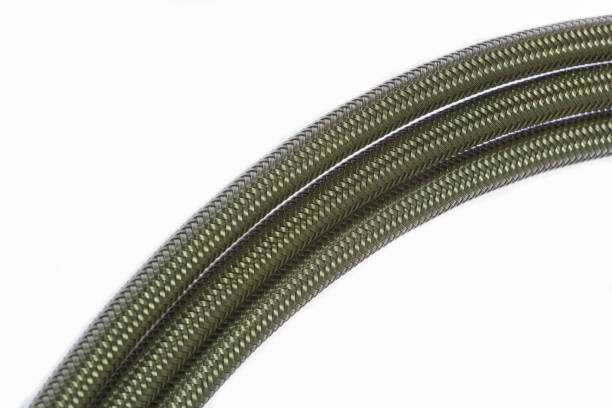
A braided silicone hose is a flexible tube made of silicone rubber reinforced with a layer of braided fibers—commonly polyester, fiberglass, or stainless steel. This braid gives the hose added strength, allowing it to withstand internal pressure without expansion or deformation. The hose is typically used in environments that require:
- High temperature tolerance (usually from -60°C to 200°C)
- Flexibility and bendability
- Non-toxicity and compliance with food and medical standards
- Chemical resistance
- Long service life, even in outdoor or harsh conditions
The silicone layer provides flexibility and chemical stability, while the braid maintains pressure containment and reduces expansion. Hoses may come with different internal diameters, wall thicknesses, and pressure ratings depending on the application.
4. Common Installation Use Cases and Industries
Braided silicone hoses are applied in many fields, each with its own installation context and challenges. Understanding the industry-specific applications helps installers anticipate potential issues during installation.
Food and Beverage Industry
In commercial kitchens, breweries, and beverage plants, these hoses are used for hot and cold liquid transfers. Installation often involves tight routing around machinery and the need to maintain sanitary conditions. Special care must be taken to avoid contamination during hose cutting and fitting attachment.
Medical and Pharmaceutical Systems
These hoses are installed in peristaltic pumps, oxygen machines, and drug delivery systems. Installation must meet strict hygienic standards, and smooth internal hose surfaces are essential. Improper clamping could cause air leaks, which are dangerous in this context.
Automotive Applications
Under-the-hood use includes coolant lines, turbo hoses, and vacuum lines. Heat and vibration are common challenges. Installers must use heat-resistant clamps and position the hoses away from sharp components or hot engine parts.
Construction and HVAC
In these applications, braided silicone hoses are used in cooling systems, compressed air distribution, and chemical transport. Long hose runs with frequent bends can create stress points. Proper support using hose brackets or guides is essential during installation.
Industrial Manufacturing
In factory environments, these hoses handle chemicals, lubricants, and pressurized air or water. Installations often require multiple bends, which may exceed the hose’s natural bend radius. Failure to route correctly may lead to kinks or internal collapse.
5. Installation Guidelines and Common Problems
Proper installation of braided silicone hoses helps prevent issues like leaks, wear, and system failure. Below are typical installation problems and how to avoid them.
Uneven or Ragged Cuts
Problem: Cutting the hose with dull or improper tools can leave jagged edges, leading to poor sealing or internal flow disruption.
Solution: Use a sharp hose cutter or blade. Cut cleanly and perpendicular to the hose. If necessary, deburr the cut edge to smooth out any irregularities.
Incorrect Clamp Use
Problem: Incompatible or improperly sized clamps may not apply uniform pressure, causing leaks or hose blow-off.
Solution: Select the clamp based on hose size and material. Stainless steel clamps are usually preferred. Use worm-drive or T-bolt clamps for higher-pressure systems. Tighten evenly without overtightening.
Bending Beyond Radius Limit
Problem: Tight bends put stress on the inner wall and may cause the hose to collapse or develop weak points.
Solution: Follow the hose’s specified minimum bend radius. Use elbow fittings if a tight angle is unavoidable.
Hose Slippage
Problem: Under pressure, hoses can slip off the fitting if not secured properly, especially in systems with frequent vibrations.
Solution: Apply an appropriate clamp and consider using barbed fittings with ridges to improve grip. Avoid lubricants unless specifically approved.
Exposure to Abrasive Surfaces
Problem: Friction against rough surfaces can damage the outer braid, eventually compromising hose performance.
Solution: Use protective sleeves or mount the hose using brackets to avoid direct contact with sharp or rough edges.
6. Tips for Long-Term Reliability
To get the most from your braided silicone hose installation, follow these practical recommendations:
- Plan the route before cutting the hose. Include slack for thermal expansion.
- Test pressure and fluid compatibility before installing the hose permanently.
- Label or mark hoses in complex systems for easy identification during maintenance.
- Inspect connections regularly to ensure clamps remain tight and there’s no visible damage.
- Replace aging hoses proactively to avoid failure during operation.
These steps not only extend the lifespan of the hose but also ensure safety and efficiency in your system.
7. Selecting the Right Hose for Your Installation
Proper installation begins with selecting the right product. Consider these factors before purchase:
- Inner diameter: Must match your fittings precisely.
- Wall thickness and braid type: Determines pressure rating and flexibility.
- Hose length: Avoid unnecessary tension; allow extra length where possible.
- Operating temperature range: Ensure the hose can handle the maximum temperature of the fluid or environment.
- Compliance requirements: For food, medical, or chemical use, verify certifications like FDA, BfR, or USP Class VI.
By choosing the right hose up front, many installation problems can be avoided entirely.
8. Conclusion
Installing a braided silicone hose correctly plays a critical role in ensuring long-term performance, safety, and efficiency across many applications. Whether used in a medical device, food processing line, automotive system, or construction project, attention to detail during installation will make a lasting difference.
By understanding the hose’s material characteristics, pressure limitations, and flexibility, installers can avoid common mistakes like improper cuts, incorrect clamps, and poor routing. Selecting the correct product for the job is just as important as the installation method itself.
In the end, a properly installed braided silicone hose will offer years of reliable service, reduce maintenance costs, and contribute to the success of the entire system it supports.
Let me know if you'd like this content adapted for a brochure, website landing page, or localized for a different region or language.