
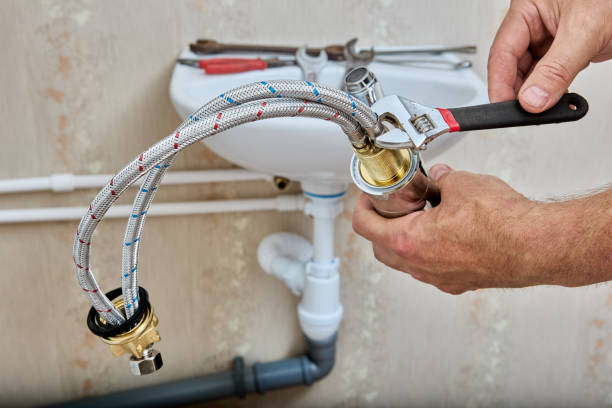
In today’s fast-paced industries, finding cost-effective, durable, and versatile components is key to efficient operation. Among these, the braided hose flexible stands out as a widely used product in plumbing, HVAC, automotive, and industrial applications. Known for its high pressure resistance and flexibility, this type of hose has gained popularity due to its impressive performance and affordability. Whether used in small residential setups or large-scale commercial systems, braided flexible hoses provide significant economic value by reducing maintenance costs, increasing system reliability, and offering long service life.
Let’s explore the most frequently asked questions, key features, common uses, and economic advantages of flexible braided hoses.
Frequently Asked Questions (FAQ)
1. What makes a braided hose flexible different from a standard rubber hose?
A braided hose flexible has an internal rubber or polymer tube that is reinforced with a metal or synthetic braid. This construction makes it stronger, more durable, and more resistant to pressure and temperature variations compared to a regular rubber hose.
2. Are braided flexible hoses expensive?
While the initial cost may be slightly higher than basic hoses, their long lifespan, reduced maintenance needs, and fewer replacements make them more economical in the long run.
3. Can flexible braided hoses be used for both hot and cold water?
Yes. These hoses are often designed to handle a wide temperature range, making them suitable for both hot and cold water supply systems.
4. How long do braided flexible hoses last?
When used correctly, they can last anywhere from 5 to 15 years or more, depending on the materials used, installation quality, and environmental conditions.
5. Are flexible braided hoses easy to install?
Absolutely. Their flexibility allows for easy routing around corners or tight spaces without needing special tools or complicated fittings.
Definition and Features of Braided Hose Flexible
A braided hose flexible is a type of hose made by wrapping a flexible inner tube (typically rubber, PVC, or silicone) with a layer of braided material, often stainless steel or synthetic fibers. This braiding adds strength and helps the hose withstand internal pressures and external mechanical stresses.
Main Features Include:
- Pressure Resistance: The braided layer reinforces the hose, allowing it to handle high-pressure conditions without bursting.
- Temperature Flexibility: These hoses can operate in extreme temperatures, both hot and cold.
- Longevity: The combination of materials and structure ensures durability, minimizing wear and tear.
- Corrosion Resistance: Stainless steel braids protect the hose from corrosion and external damage.
- Versatility: They are compatible with various fluids, including water, oil, gas, and chemicals.
In addition to these features, flexible braided hoses also meet several international standards, making them a reliable and compliant solution across global industries.
Common Applications and Industry Use
Flexible braided hoses are used across a wide range of sectors due to their adaptable nature and cost-effectiveness.
1. Residential Plumbing:
In homes, these hoses are commonly found connecting sinks, toilets, and washing machines. Their ability to handle pressure surges and prevent leaks makes them ideal for everyday use.
2. Industrial Manufacturing:
Factories often use braided hoses for transporting compressed air, steam, and industrial fluids. Their resistance to wear and chemicals ensures a safer and longer-lasting operation.
3. HVAC Systems:
Heating and cooling systems benefit from flexible braided hoses as they absorb vibration, prevent cracking, and allow for easy installation in confined spaces.
4. Automotive Applications:
In vehicles, these hoses are used for fuel lines, brake systems, and hydraulic circuits due to their high pressure and temperature tolerance.
5. Food and Beverage Industry:
Certain food-grade braided hoses are used in processing plants to transport liquids like milk, juice, or beer, maintaining hygiene and durability at the same time.
In all these areas, the economic benefit becomes clear: fewer replacements, less downtime, and improved safety mean lower operational costs and better productivity.
The Economic Benefits of Braided Hose Flexible
From a financial perspective, choosing flexible braided hoses over cheaper alternatives can lead to considerable savings over time. Here’s why:
1. Reduced Replacement Costs:
Traditional hoses may require frequent replacement due to bursting or wear. Braided hoses last longer, reducing purchasing frequency.
2. Lower Maintenance:
Thanks to their strength and resistance to damage, these hoses demand fewer inspections and emergency repairs.
3. Decreased Downtime:
Fewer failures mean systems stay operational longer, minimizing production stoppages or service interruptions.
4. Inventory Efficiency:
Their multipurpose compatibility means one type of braided hose can often serve many roles, simplifying inventory management and reducing storage costs.
5. Better Safety Compliance:
Using reliable hoses that meet international safety and pressure standards reduces the risk of accidents, protecting both equipment and personnel — an indirect but significant economic factor.
Additionally, many braided hose manufacturers offer bulk pricing and long-term warranties, further increasing the cost-efficiency for businesses and contractors alike.
Conclusion
In summary, the braided hose flexible is not just a functional plumbing or industrial component—it’s a smart economic choice. With its combination of durability, versatility, and cost-efficiency, it offers long-term value for residential users, commercial contractors, and industrial engineers alike. Whether you’re managing a building’s water system, an HVAC setup, or a complex manufacturing process, switching to braided flexible hoses can reduce costs while boosting performance and reliability.
For those seeking a solution that balances performance with long-term savings, braided flexible hoses are the clear winner.