
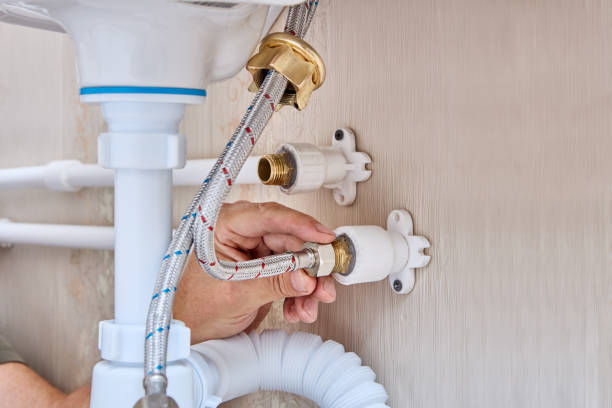
In today’s fast-paced industrial and residential environments, reliable fluid transportation is essential. The braided hose flexible has emerged as a trusted solution for various applications, thanks to its versatility, durability, and cost-effectiveness. From household plumbing to industrial machinery, this type of hose has become increasingly popular.
As industries evolve and infrastructure systems expand, the demand for flexible braided hoses continues to grow. This article explores why these hoses are in such high demand, how they work, what makes them special, and where they are commonly used.
Frequently Asked Questions (FAQ)
1. Why is there a growing demand for braided hose flexible products?
The demand stems from their ability to provide consistent performance in demanding conditions. Industries need hoses that can handle pressure, resist wear, and adapt to complex layouts. Braided flexible hoses meet all of these requirements, making them a preferred choice.
2. Are flexible braided hoses suitable for both commercial and residential use?
Yes. These hoses are widely used in homes for connecting faucets, toilets, and washing machines. At the same time, they are essential in commercial sectors like manufacturing, automotive, and HVAC systems.
3. How do braided hoses compare to regular rubber or PVC hoses?
Braided hoses offer superior strength and flexibility. The braided layer, often made from stainless steel or synthetic fiber, reinforces the inner tube and prevents kinking or bursting under pressure.
4. What contributes to the durability of flexible braided hoses?
Durability comes from their construction. A robust inner tube, combined with braided reinforcement and often a protective outer layer, makes these hoses resistant to corrosion, abrasion, and high temperatures.
5. Can businesses save money by switching to braided hose flexible options?
Absolutely. These hoses require fewer replacements and less maintenance, which translates to reduced operating costs over time.
Definition and Key Characteristics of Braided Hose Flexible
A braided hose flexible is a type of hose designed to transfer fluids such as water, gas, or oil, while offering high flexibility and resistance to pressure. The hose typically consists of three layers:
- An inner tube made from rubber, thermoplastic, or other flexible materials that carry the fluid.
- A braided middle layer, usually made from stainless steel or polyester, which gives the hose strength and prevents it from expanding under pressure.
- An outer cover, which protects the hose from UV rays, chemicals, abrasion, and other environmental elements.
Key characteristics of flexible braided hoses include:
- Excellent flexibility for easy installation, even in tight spaces.
- High pressure tolerance due to the reinforcement layer.
- Compatibility with a wide range of fluids including hot and cold water, air, oil, and chemicals.
- Resistance to corrosion and UV radiation, especially when using stainless steel braiding.
- Long service life, which reduces the need for frequent replacements.
Thanks to these characteristics, these hoses are suitable for diverse installations where both reliability and efficiency are crucial.
Common Uses and Industries That Rely on Braided Hose Flexible
The versatility of flexible braided hoses has made them essential across multiple sectors. Their demand continues to rise as new applications emerge and industries look for efficient, cost-saving solutions.
1. Plumbing and Sanitary Systems
In residential and commercial plumbing systems, braided hoses are commonly used to connect water supply lines to sinks, toilets, and water heaters. Their flexibility makes them easier to install than rigid piping, especially in confined spaces.
2. Heating, Ventilation, and Air Conditioning (HVAC)
HVAC systems require durable and flexible hoses to handle high temperatures and pressures. Braided hoses are used in both hot and cold applications, including boiler connections and cooling units.
3. Industrial Manufacturing
Factories and production lines use braided hoses for transporting compressed air, hydraulic fluids, and chemicals. The ability to withstand mechanical stress and chemical exposure makes these hoses ideal for heavy-duty use.
4. Automotive and Transport
In the automotive sector, braided hoses are used in brake lines, fuel systems, and turbochargers. Their resistance to vibration and heat helps maintain safety and performance in vehicles.
5. Agriculture and Irrigation
Modern irrigation systems rely on flexible braided hoses to distribute water efficiently across large fields. Their ability to resist wear and weather makes them ideal for outdoor use.
6. Food and Beverage Processing
Food-grade braided hoses are used in beverage dispensing machines, breweries, and dairies. They ensure clean, hygienic fluid transport while maintaining durability.
The consistent demand across all these sectors reflects the essential role that flexible braided hoses play in ensuring safety, efficiency, and performance.
Understanding the Demand: Why Are Flexible Braided Hoses in High Demand?
Several factors explain the increasing global demand for flexible braided hoses.
a) Infrastructure Growth
As urbanization expands, the need for reliable plumbing and water systems increases. Developers prefer braided hoses for their ease of installation and long-term reliability.
b) Focus on Energy Efficiency and Sustainability
Industries are now more focused on reducing energy waste and resource loss. Braided hoses contribute by minimizing leaks and maintaining consistent fluid flow.
c) Increased Equipment Automation
With more machines and systems depending on precise fluid movement, hoses must be able to handle continuous pressure without failing. Braided flexible hoses meet this need by offering stable, long-lasting connections.
d) Global Expansion of Manufacturing and Agriculture
Emerging economies are building more factories, farms, and transport systems, which require robust hose systems for operation. The cost-effective yet high-performance nature of braided hoses meets these expanding demands.
e) Growing DIY and Home Improvement Market
In many regions, homeowners are increasingly taking on their own plumbing and installation projects. Flexible braided hoses are easy to use, reducing the need for professional tools or technical training.
Summary
The braided hose flexible is more than just a plumbing component—it’s a solution to modern demands for performance, reliability, and economy. Whether used in homes, factories, vehicles, or farms, these hoses offer unmatched versatility and strength. Their rising demand is no coincidence. As industries grow and technology advances, the need for safe, flexible, and affordable hose solutions continues to increase.
Choosing a braided flexible hose means investing in quality, efficiency, and long-term cost savings. Its structure, materials, and adaptability make it an essential tool in today's interconnected and fluid-driven world.
For anyone looking to meet the challenges of modern fluid transportation, the braided hose flexible stands as the smart, forward-thinking choice.