

Braided rubber hoses are essential components in many plumbing, industrial, and automotive systems due to their flexibility, pressure resistance, and durability. When installed correctly, they offer years of reliable service with minimal maintenance. However, improper installation can lead to dangerous leaks, premature wear, or system failure. This guide explores everything you need to know about installing braided rubber hoses, including definitions, features, safety considerations, common uses, and expert installation advice. Whether you're a professional or a DIY enthusiast, understanding proper installation practices will help you maximize performance and safety.

Frequently Asked Questions (FAQ)
1. Can I install a braided rubber hose without professional help?
Yes, many braided rubber hoses are designed for simple installation. However, it’s crucial to follow proper techniques and use the right tools to ensure a secure and safe fit.
2. What should I check before installing a braided rubber hose?
Always inspect the hose for damage, confirm compatibility with the fittings, and ensure the correct pressure and temperature ratings for your application.
3. Do I need to use Teflon tape on braided hose connections?
In most cases, Teflon tape is not necessary for hose connections with rubber or metal gaskets. If you're using threaded pipe fittings, tape may be required unless the fitting has an integrated seal.
4. How tight should the hose fittings be?
Hand-tighten the fittings first, then use a wrench to secure them slightly more. Avoid overtightening, as it can damage the threads or compromise the seal.
5. How long do braided rubber hoses typically last after installation?
With correct installation and regular inspection, high-quality braided rubber hoses can last 5 to 10 years or more, depending on usage conditions.
Basic Definition and Key Features
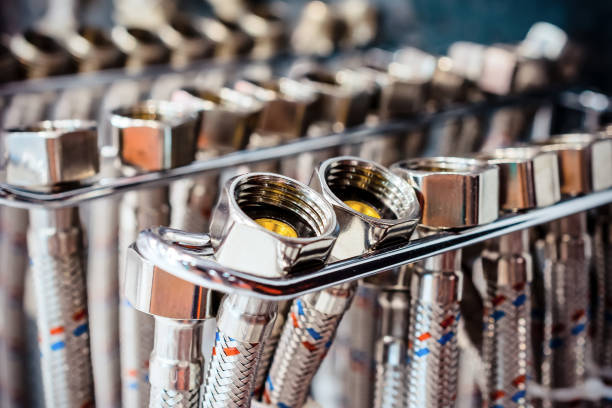
A braided rubber hose is a flexible hose reinforced with a braided layer, often made of stainless steel or synthetic fibers. The inner layer typically consists of rubber (like EPDM or NBR) to ensure elasticity and chemical resistance, while the braided outer layer provides strength and protection against abrasion and pressure.
These hoses combine the flexibility of rubber with the durability and stability of metal or fiber reinforcement. Their layered structure makes them suitable for transporting fluids under varying pressure and temperature conditions.
Key Features Include:
- Flexibility: Easy to bend around tight spaces and equipment.
- Pressure resistance: Withstands high working pressures.
- Heat resistance: Suitable for hot and cold water systems.
- Anti-kink design: Braided structure prevents hose deformation.
- Long lifespan: High-quality materials resist wear and environmental stress.
Common Applications and Industries
Braided rubber hoses are used in a wide range of applications where fluid delivery or discharge is required. Their strength and flexibility make them suitable for both household and industrial use.
1. Plumbing and HVAC:
They connect faucets, toilets, water heaters, dishwashers, and washing machines. Their flexibility allows for easy routing in confined areas.
2. Automotive Industry:
In cars and trucks, these hoses carry fuel, oil, coolant, and air. Their durability makes them ideal for engine compartments where heat and vibration are present.
3. Industrial Equipment:
They serve in machinery for fluid transfer, hydraulic systems, and compressed air lines. Reinforced designs resist the pressure surges common in these settings.
4. Agriculture and Irrigation:
Braided hoses help in spraying systems, water supply lines, and pesticide application, thanks to their chemical resistance and strength.
5. Marine and Aviation:
Specialized braided rubber hoses handle critical tasks like fuel delivery and hydraulic control, where flexibility and safety are essential.
Installation Guide: Step-by-Step
1. Choose the Right Hose Type
Before installation, verify that the braided rubber hose is rated for the intended pressure, temperature, and fluid type. Always check specifications provided by the manufacturer.
2. Prepare the Connection Area
Clean all surfaces that will connect to the hose. Dirt, old sealant, or corrosion can cause leaks or interfere with a proper seal.
3. Cut to Length (if applicable)
If you're installing a hose from a bulk roll, use a sharp hose cutter to ensure a clean, straight cut. Avoid crushing or fraying the ends.
4. Attach the Fittings
Insert or screw the fittings into place, depending on the hose design. Compression fittings, barbed ends, or threaded adapters may be used. Ensure they’re compatible with the hose size and pressure rating.
5. Apply Torque Carefully
Tighten the fittings with hand force first. Then use a wrench for a snug fit, applying moderate torque. Never force or overtighten, as it may crack the fitting or stretch the hose.
6. Avoid Twisting or Kinking
When routing the hose, ensure it isn’t twisted, bent sharply, or kinked. These problems restrict flow and reduce the hose’s lifespan.
7. Secure the Hose
Use clamps, straps, or hose supports to hold the hose in position. This prevents movement and vibration that can loosen the fittings over time.
8. Test the Connection
After installation, slowly turn on the system and check for leaks. Let the hose operate under normal pressure and temperature for a few minutes while observing the joints.
Safety Tips and Best Practices
- Inspect regularly: Check the hose periodically for signs of wear, cracking, or bulging. Replace at the first sign of deterioration.
- Avoid chemical exposure: Only use the hose with compatible fluids to avoid internal corrosion or rubber degradation.
- Label installation date: For critical systems, write the installation date on the hose or keep a maintenance log.
- Use protective sleeves: In high-abrasion or high-heat areas, add thermal or wear sleeves to extend the hose’s service life.
- Do not reuse fittings: Once removed, some fittings may not reseal properly. It’s safer to install new ones during replacement.
Summary
Installing a braided rubber hose correctly plays a critical role in ensuring the safety, efficiency, and durability of the system it supports. These hoses combine flexibility, strength, and resistance to pressure and heat, making them suitable for a broad range of applications across various industries. By understanding the basic features, choosing the right hose, and following proven installation steps, users can avoid common mistakes and enhance the performance of their equipment. Whether you're working in home plumbing, automotive repair, or industrial systems, taking the time to install braided rubber hoses properly will pay off in long-term reliability and peace of mind.