

Braided rubber hoses are an essential component in various industrial, automotive, and household systems. This article explores how the materials, structure, and intended applications of these hoses contribute to operational safety.

Frequently Asked Questions (FAQ)
1. Why are braided rubber hoses considered safe for high-pressure systems?
Because the braided reinforcement layer—usually made of stainless steel or synthetic fiber—helps the hose withstand high internal pressure without bursting or deforming.
2. Are braided rubber hoses suitable for transporting hazardous chemicals?
Yes, depending on the rubber material (e.g., EPDM, NBR), they can safely carry various chemicals. However, compatibility should always be checked in advance.
3. How long can I safely use a braided rubber hose before replacing it?
On average, with proper maintenance, a braided rubber hose lasts between 5 to 10 years. Periodic inspection is recommended to check for cracks, bulges, or wear.
4. Do braided rubber hoses resist temperature extremes safely?
Yes, most hoses are engineered to handle a wide range of temperatures, typically from -40°C to 120°C, depending on the rubber and braid type.
5. What safety certifications should I look for when buying braided rubber hoses?
Look for certifications like ISO 9001, SAE J30, or RoHS compliance, depending on the region and industry standard requirements.
Basic Definition and Key Characteristics
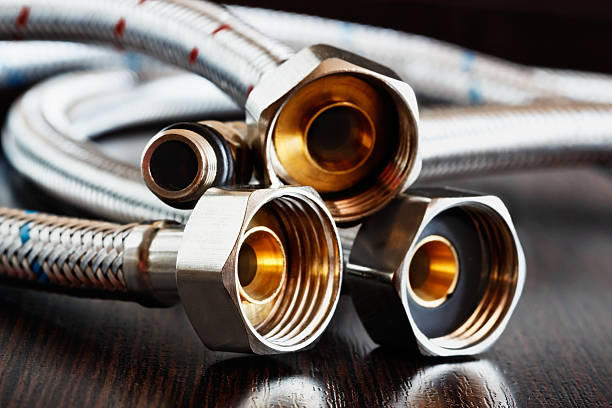
A braided rubber hose is a flexible pipe that consists of a rubber inner core, a braided reinforcement layer (metallic or synthetic), and sometimes an external protective cover. The inner core typically carries fluids, gases, or steam, while the braid serves as a shield against external mechanical stresses and internal pressure. These hoses are popular in environments where flexibility and reliability are essential.
The key safety-related features include:
- High Pressure Resistance: The braid acts as a tension-absorbing barrier, reducing the risk of bursting.
- Flexibility: Helps prevent kinking and reduces strain on joints and connections.
- Thermal Stability: Selected materials allow safe operation under a wide range of temperatures.
- Leak Prevention: Tightly bonded layers help prevent fluid seepage and failure under stress.
Common Uses and Application Industries
Safety is paramount in all sectors using braided rubber hoses. Below are some of the key industries and their use cases:
1. Automotive Industry
In cars and trucks, these hoses are used for brake systems, fuel lines, and hydraulic clutch lines. In such applications, safety is non-negotiable, especially because failure can lead to life-threatening scenarios.
2. Industrial Manufacturing
Factories use braided rubber hoses for compressed air systems, hydraulic equipment, and cooling systems. These hoses help avoid dangerous leaks and system breakdowns in high-pressure environments.
3. Construction Sites
In construction, hoses transport water, cement slurry, and chemicals. They are exposed to heavy equipment and rough handling, so durability and safety go hand-in-hand.
4. Food and Beverage Industry
They must meet strict sanitary and safety standards.
5. Chemical Processing
Braided hoses used in chemical facilities must resist corrosion and chemical reactions.
6. Home Use
Even in everyday settings—like washing machines, dishwashers, or garden systems—safety matters.
Why Safety Matters in Material and Design
When selecting a braided rubber hose, safety should be considered from the perspective of both materials and design:
- Rubber Core Material: The type of rubber (EPDM, NBR, silicone) influences temperature resistance, chemical compatibility, and flexibility.
- Braiding Material: Stainless steel offers excellent strength and corrosion resistance, while polyester and nylon provide lightweight reinforcement for less demanding uses.
- Bonding Layers: High-quality hoses feature layers that are tightly bonded to avoid delamination and leakage.
- End Fittings: Leak-proof fittings (brass, stainless steel, or polymer) are critical for maintaining a safe connection under pressure.
In addition, manufacturers often include safety margins in their pressure ratings. For example, a hose rated for 300 psi typically has a burst pressure of over 900 psi to account for unexpected pressure surges.
Maintenance for Continued Safety
Even the best hose can fail if neglected. Regular maintenance practices are essential for safe operation:
- Inspect Weekly: Check for cracks, leaks, abrasions, or discoloration.
- Replace When Worn: Do not wait until a failure occurs. Replace old or worn hoses proactively.
- Use Compatible Fittings: Poorly matched fittings can cause leaks or detachments.
In industrial environments, adopting a hose maintenance logbook helps track wear, usage hours, and replacement history—further promoting safety.
Conclusion
Braided rubber hoses stand out as a safe and versatile choice for many fluid and gas handling applications. Their design combines the flexibility of rubber with the strength of braided reinforcement, offering resistance to pressure, temperature, abrasion, and chemicals. Whether used in cars, homes, or heavy industry, their reliability and built-in safety features reduce the risks of system failure and ensure smooth operation. Choosing the right hose, maintaining it properly, and understanding its material and design advantages are key steps toward a safer and more efficient working environment.