
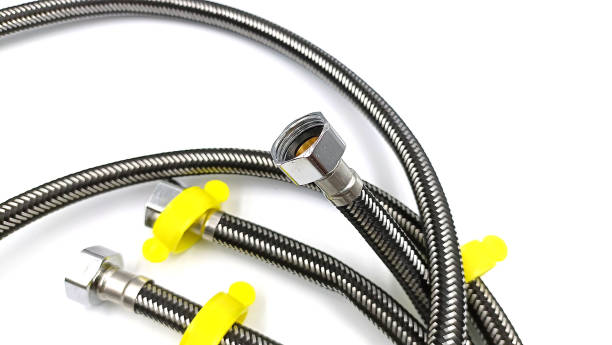
Flexible braided hoses play a vital role in many residential, commercial, and industrial systems. They ensure the safe and efficient transport of water, air, chemicals, and gases under varying pressure and temperature conditions. Over time, however, even the most durable braided hoses can suffer from wear and tear. That’s why regular maintenance is essential to extend their lifespan and avoid unexpected failures. This article offers a complete guide to the maintenance of flexible braided hoses, answering common questions, explaining their structure, and highlighting their applications across industries.
Frequently Asked Questions (FAQ)
1. How often should flexible braided hoses be inspected?
It's recommended to inspect flexible braided hoses every 6 to 12 months. Frequent inspections help detect signs of wear, corrosion, or leaks before they become serious issues.
2. What are the signs that a braided hose needs to be replaced?
Visible fraying, bulging, rust, water leaks, or reduced pressure are strong indicators that a hose is nearing the end of its life and should be replaced.
3. Can flexible braided hoses be cleaned?
Yes, they can be gently cleaned with mild soap and water. However, internal cleaning should be handled carefully depending on the fluid or gas they carry to avoid contamination.
4. Do braided hoses require special fittings for maintenance?
Not necessarily, but using the correct size and material of fittings during installation and replacement helps prevent loosening or damage over time.
5. What is the average lifespan of a flexible braided hose?
Typically, flexible braided hoses last between 5 to 10 years, depending on usage, material, and maintenance practices.
What Is a Flexible Braided Hose?
A flexible braided hose is a reinforced hose designed to handle pressurized fluids or gases while maintaining flexibility and strength. The hose usually features an inner tube made of rubber, silicone, or thermoplastics, which is then wrapped in a braided outer layer made of stainless steel, polyester, or nylon.
The braided layer serves two main purposes:
- It enhances the structural integrity of the hose, allowing it to withstand higher pressures without bursting.
- It offers a layer of protection against external damage, UV rays, and abrasions.
These hoses are flexible enough to bend around corners or fit into tight spaces but strong enough to resist collapsing or rupturing under pressure.
Key Features and Maintenance Needs
Understanding the structure and properties of flexible braided hoses helps ensure proper maintenance. Below are some common features and how they relate to maintenance routines:
1. Material Type Matters
Different hose materials require different maintenance. Stainless steel braided hoses are corrosion-resistant and ideal for high-temperature environments. Nylon or polyester braided hoses may degrade faster under sunlight or chemical exposure. Always check the manufacturer’s guidelines for care.
2. Pressure Rating and Usage
Hoses come with pressure ratings. If a hose is used near its maximum pressure for long periods, it may need more frequent inspections and earlier replacement. Look for kinking or ballooning, which can indicate internal failure.
3. Fitting and Coupling Checkups
Leaks often originate at the joints. Regularly examine the couplings and fittings for signs of corrosion, rust, or mineral buildup. Loose connections should be tightened with appropriate tools, but avoid over-tightening as this can damage threads or deform the hose.
4. Cleaning the Surface
Dust, grease, and chemical spills can reduce the durability of the outer braid. Wipe the hose clean with a damp cloth or mild soap. Never use abrasive cleaners, as these may erode protective coatings.
5. Storage and Environment
Improper storage contributes to hose failure. When not in use, store the hose in a cool, dry place, coiled loosely to avoid bending stress. Avoid exposure to direct sunlight or extreme heat, especially for non-metallic braided hoses.
Common Uses and Industries
Flexible braided hoses are widely used in various industries due to their adaptability, safety, and resistance to harsh environments. Below are several common applications:
1. Plumbing and Sanitary Systems
In residential and commercial plumbing, braided hoses connect faucets, showers, and water heaters. They are especially valued for their leak resistance and flexibility in tight installations.
2. HVAC Systems
Heating, ventilation, and air conditioning units rely on braided hoses to transfer coolants and water. Their ability to handle varying temperatures and pressures makes them essential in climate control systems.
3. Automotive Industry
Vehicles use braided hoses for fuel, oil, brake fluids, and cooling systems. Their durability under vibration and heat is a major advantage in engine compartments.
4. Chemical and Food Processing
Certain braided hoses are designed to transport chemicals or food-grade materials. In these industries, cleanliness and contamination prevention are critical, so maintenance includes frequent sterilization and inspections.
5. Industrial Machinery and Manufacturing
From compressors to hydraulic systems, flexible braided hoses help move air or liquid under controlled pressure. Maintenance in such setups includes visual inspections, pressure checks, and preventive replacements to avoid costly downtimes.
Best Practices for Braided Hose Maintenance
To ensure your flexible braided hoses remain in top condition, follow these best practices:
1. Create a Maintenance Schedule
Set reminders for routine inspections based on the hose's application and environment. This prevents overlooking early signs of damage.
2. Use Compatible Cleaning Agents
Always match your cleaning methods with the hose material. For example, avoid chlorine-based cleaners on stainless steel, as they may cause pitting corrosion.
3. Avoid Over-Bending
Excessive bending or twisting shortens the hose's life. Use elbow fittings or supports to reduce mechanical stress.
4. Replace Proactively
Even if a hose seems fine, replace it based on manufacturer-recommended service life. Waiting for a visible failure often leads to water damage, contamination, or downtime.
5. Document Inspections
Keep a log of inspections and replacements. This is especially useful in regulated industries or shared facilities, where multiple users may access the equipment.
Common Maintenance Mistakes to Avoid
Sometimes maintenance issues arise not from neglect but from common misconceptions. Here are some mistakes to avoid:
- Assuming all hoses are the same: Braided hoses vary in construction. Using the wrong type for your system can result in failure.
- Using tape for leak fixes: Quick fixes like Teflon tape or sealant can cover up a problem but won’t solve the underlying issue.
- Ignoring small leaks: A small drip often signals larger pressure issues or hose degradation.
- Mixing old and new parts: Replacing just one end or segment can create uneven wear and mismatched pressure capacity.
- Skipping training: Maintenance teams should be properly trained to identify early signs of wear or incorrect installation.
Summary
Flexible braided hoses are critical components in many systems, from household plumbing to heavy industry. Their flexibility, strength, and reliability make them ideal for transporting fluids and gases under pressure. However, to ensure they operate safely and efficiently, regular maintenance is key.
From visual inspections and proper cleaning to scheduled replacements and avoiding common mistakes, taking care of your braided hoses not only extends their life but also prevents costly repairs or failures. Whether you work in construction, manufacturing, or simply need reliable plumbing at home, understanding how to maintain your braided hose flexible systems will pay off in both performance and peace of mind.
By following the tips and practices in this guide, you can confidently manage your braided hose maintenance and keep your systems running smoothly for years to come.