
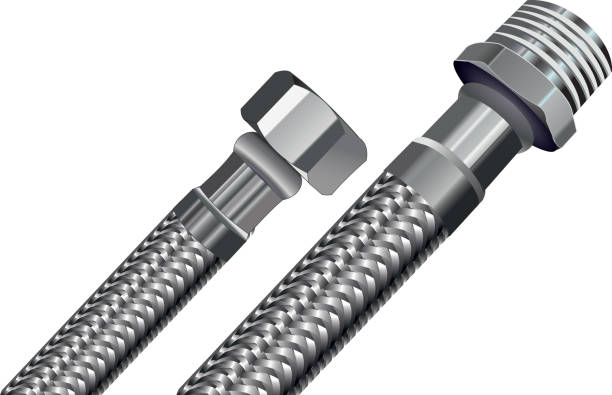
Metal braided hoses are essential components across various industries, offering a reliable solution for flexible connections in demanding environments. They combine durability, pressure resistance, and flexibility—traits that make them ideal for applications ranging from residential plumbing to high-pressure industrial systems. However, despite their widespread use, many professionals and end-users still have questions about how they work, where to use them, and what makes them different from other hose types.
This article addresses the most common questions about metal braided hoses and dives into their definitions, features, applications, and more. Whether you are an engineer, contractor, or curious buyer, understanding these hoses will help you choose the right product for your specific needs.
Frequently Asked Questions (FAQ)
1. What is a metal braided hose used for?
Metal braided hoses are used to transfer fluids and gases in systems that require flexibility, vibration absorption, and pressure containment. Common uses include plumbing connections, gas delivery systems, hydraulic machinery, and industrial piping where movement or temperature changes occur.
2. Are metal braided hoses safe for gas?
Yes, metal braided hoses are widely used in gas applications because of their strength and leak-proof characteristics. Stainless steel braiding prevents kinks and maintains structural integrity under high pressure. For gas use, ensure the hose meets proper certifications and is installed by professionals.
3. How long does a metal braided hose last?
With proper installation and usage, a high-quality metal braided hose can last 10 to 15 years or more. Lifespan depends on the working environment, pressure range, and maintenance practices. Hoses exposed to chemical agents or high vibration might wear out faster if not correctly chosen.
4. Can I use metal braided hoses outdoors?
Absolutely. Metal braided hoses are built to withstand extreme temperatures, UV exposure, and environmental stress. They are commonly used outdoors for connecting HVAC units, garden irrigation systems, and industrial tanks due to their durability and weather resistance.
5. What’s the difference between a metal braided hose and a rubber hose?
The main difference lies in strength, flexibility, and application. Metal braided hoses offer better pressure resistance, higher temperature tolerance, and longer service life. Rubber hoses are more flexible but not as durable or suited for high-pressure or high-temperature use.
Definition and Key Features of Metal Braided Hoses
The corrugated metal core allows for flexibility, while the braided stainless steel covering adds pressure resistance and limits hose elongation under pressure.
Here are some key features:
- High Strength: The stainless steel braid reinforces the hose against pressure surges.
- Flexibility: Despite their strength, these hoses can bend and adapt to movement, reducing stress on system joints.
- Temperature Resistance: Metal braided hoses can handle both high and low temperatures without degrading.
- Corrosion Resistance: Stainless steel construction resists corrosion from water, chemicals, and external elements.
- Vibration Damping: They help absorb vibration and noise, especially in mechanical equipment.
These properties make metal braided hoses versatile, durable, and ideal for systems where flexibility and safety are critical.
Common Uses and Industry Applications
Below are some of the most common applications:
1. Plumbing and Heating Systems
In residential and commercial plumbing, these hoses connect water heaters, boilers, and fixtures. Their ability to resist corrosion and pressure makes them ideal for hot and cold water distribution systems.
2. Gas Distribution
Metal braided hoses play a vital role in safely delivering gas in both residential and industrial applications. From gas stoves to propane tanks and gas turbines, their leak-resistant design ensures safety.
3. Industrial Manufacturing
Factories and processing plants use metal braided hoses to transfer chemicals, steam, oil, and air. They are ideal for environments with temperature changes or movement, preventing hose fatigue and system failure.
4. Automotive and Aerospace
These hoses are used in hydraulic brake lines, fuel systems, and exhaust connections due to their heat and pressure tolerance. In aerospace, weight and reliability are crucial—qualities metal braided hoses provide.
5. HVAC Systems
In heating, ventilation, and air conditioning systems, metal braided hoses connect to pumps, chillers, and valves, offering flexibility and vibration control.
6. Food and Beverage Processing
Food-grade stainless steel hoses are used to transfer liquids, steam, or cleaning agents. The non-reactive metal surface ensures hygiene and durability in strict sanitary environments.
7. Marine and Offshore
On ships and oil rigs, hoses must withstand saltwater, vibration, and high pressure. Metal braided hoses offer the right combination of ruggedness and flexibility required in these harsh environments.
Conclusion
Metal braided hoses are an indispensable part of modern engineering, offering strength, safety, and adaptability. From domestic water lines to high-pressure industrial systems, they ensure secure fluid and gas transfer even under demanding conditions. Understanding their structure, features, and applications helps users choose the right hose and maintain system reliability over time.
By addressing common questions and clarifying how these hoses work, this article provides a helpful guide for anyone interested in using or specifying metal braided hoses in their projects. Whether you’re in construction, manufacturing, or home maintenance, investing in the right hose means better performance and long-term value.