
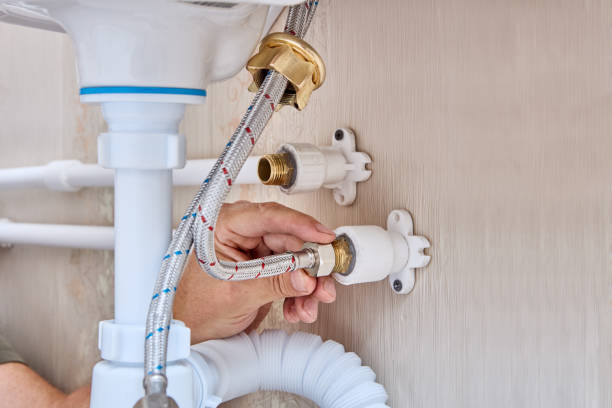
The nylon braided hose is widely recognized for its flexibility, durability, and ability to handle various fluids and gases in multiple industries. However, its production, distribution, and usage are also closely connected to policies that govern material standards. Safety regulations, environmental impact, and trade compliance. These policies ensure that nylon braided hoses meet performance expectations while aligning with national and international regulations. By understanding the policy framework surrounding nylon braided hoses, businesses and end-users can make better purchasing decisions, ensure compliance, and maintain safe and sustainable operations.
Frequently Asked Questions (FAQ)
1. Are there international policies regulating nylon braided hose production?
Yes. Many countries follow ISO (International Organization for Standardization) guidelines, as well as sector-specific standards like SAE for automotive hoses or FDA requirements for food-grade applications.
2. Do environmental policies affect nylon braided hose manufacturing?
Yes. Policies on emissions, waste disposal, and chemical handling directly influence manufacturing processes. Some regulations also encourage recycling and the use of eco-friendly materials.
3. Are there safety certification requirements before selling nylon braided hoses?
In most regions, hoses must pass safety testing and be certified according to local standards, such as UL, CE, or equivalent certifications.
4. How do trade policies impact nylon braided hose availability?
Import/export regulations, tariffs, and free trade agreements can influence pricing, supply chain stability, and material sourcing for nylon braided hoses.
5. Are there policies on labeling and traceability for nylon braided hoses?
Yes. Many countries require clear labeling that includes pressure ratings, temperature ranges, production batch numbers, and compliance marks.
Basic Definition and Features
A nylon braided hose is a flexible tube reinforced with woven nylon fibers that provide additional strength, abrasion resistance, and structural stability. The inner core is typically made from materials such as rubber, PVC, or thermoplastics. While the outer nylon braid offers protection from mechanical damage.
From a policy standpoint, several features make nylon braided hoses subject to specific regulations:
- Pressure Rating Compliance – Policies dictate accurate testing and marking to prevent failure under operational pressures.
- Material Safety Requirements – Some policies restrict certain chemicals in nylon production, especially for food-grade or medical use.
- Flame Resistance Standards – In specific industries, hoses must meet flammability and heat resistance regulations.
- Durability Testing – Regulatory bodies often require accelerated wear and fatigue tests to ensure lifespan consistency.
- Traceability Protocols – Policies may mandate that each hose can be traced back to its production batch for quality control.
Key features of nylon braided hoses include:
- High flexibility for easy routing and installation.
- Excellent tensile strength provided by the nylon reinforcement.
- Abrasion resistance that prolongs service life.
- Lightweight construction compared to metal braided hoses.
- Chemical compatibility with a variety of fluids.
Common Uses and Application Industries
Policies shape how nylon braided hoses are applied across various industries:
- Automotive Industry
In automotive fuel systems, brake systems, and coolant lines, nylon braided hoses must meet SAE standards and pass DOT (Department of Transportation) regulations in certain regions. These policies ensure hoses can withstand vibration, temperature fluctuations, and fuel chemical exposure. - Food and Beverage Industry
Food-grade nylon braided hoses must comply with FDA or EU food safety standards. Policies dictate the use of non-toxic materials, proper cleaning methods, and hygienic manufacturing environments. - Manufacturing and Industrial Applications
In factory pneumatic systems or hydraulic lines, policies require hoses to meet ISO pressure and temperature specifications, as well as OSHA workplace safety guidelines. - Construction and Heavy Equipment
Hoses used in construction must adhere to policies ensuring safe operation under high pressure and harsh environmental conditions, often set by local labor safety authorities. - Marine and Aerospace Sectors
Specialized policies regulate hoses in these industries to ensure fire resistance, saltwater corrosion resistance, and extreme temperature tolerance. - Agriculture
Policies governing agricultural chemical transport require hoses to be tested for chemical resistance and environmental safety before use in irrigation or spraying equipment.
Summary
From ISO and SAE standards to FDA food safety requirements and environmental regulations, these policies ensure that every nylon braided hose on the market performs reliably and safely.
For manufacturers, compliance with these policies means investing in quality raw materials, advanced testing procedures, and transparent labeling systems. For users, it means selecting hoses that are certified, policy-compliant, and suitable for the intended application. In the long term, adherence to policy not only improves operational safety but also builds trust between suppliers, regulators, and customers.
By understanding the policy landscape, industries can align their hose selection and maintenance practices with legal requirements, reduce operational risks, and promote sustainable resource use. The nylon braided hose, supported by thoughtful policy frameworks, continues to play a vital role in automotive, industrial, agricultural, and domestic applications worldwide.