
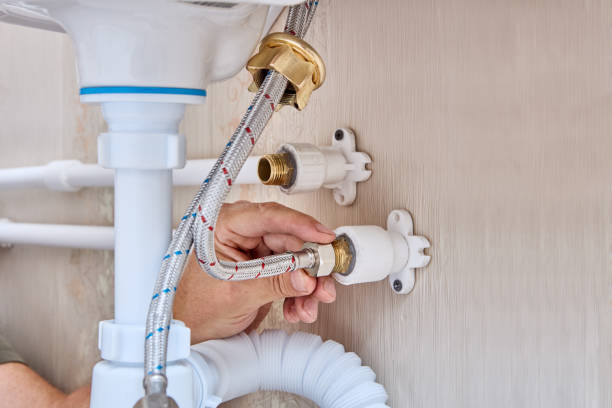
Nylon braided hoses are a popular choice across industries due to their exceptional durability, flexibility, and resistance to abrasion and chemicals. These hoses consist of a synthetic rubber core reinforced with high-strength nylon braiding, making them ideal for applications ranging from automotive fuel lines to industrial hydraulic systems. Unlike traditional rubber hoses, nylon braided variants offer superior pressure resistance, longer lifespan, and better performance in extreme temperatures. This guide explores their structure, key benefits, common uses, and answers frequently asked questions to help you understand why nylon braided hoses are a reliable solution for demanding environments.
What Is a Nylon Braided Hose?
A nylon braided hose is a flexible, high-performance tube made with a synthetic rubber or PTFE inner lining, reinforced with layers of tightly woven nylon fibers. The braided structure enhances strength while maintaining flexibility, allowing the hose to withstand high pressures without kinking or collapsing.
Key Features of Nylon Braided Hoses
- High Tensile Strength – The nylon braiding provides excellent resistance to bursting, making these hoses suitable for medium to high-pressure applications.
- Chemical Resistance – They resist degradation from fuels, oils, solvents, and other corrosive fluids, ensuring long-term reliability.
- Temperature Resilience – Nylon braided hoses typically operate in temperatures ranging from -40°C to 150°C (-40°F to 300°F).
- Lightweight & Flexible – Compared to stainless steel braided hoses, nylon variants are easier to handle and install in tight spaces.
- Abrasion Resistance – The outer nylon layer protects against wear from friction, extending the hose’s lifespan in harsh conditions.
Common Uses & Industries for Nylon Braided Hoses
Thanks to their durability and adaptability, nylon braided hoses serve a wide range of applications:
1. Automotive & Motorsports
- Fuel Lines: They handle gasoline, diesel, ethanol blends (E85), and methanol without degrading.
- Coolant & Oil Systems: Their resistance to heat and pressure makes them ideal for engine cooling and lubrication systems.
2. Industrial & Hydraulic Systems
- Pneumatic Tools: Their flexibility and pressure resistance suit air compressors and pneumatic machinery.
- Chemical Transfer: They safely transport acids, solvents, and other industrial fluids without corroding.
3. Aerospace & Marine Applications
- Fuel & Fluid Transfer: Lightweight yet strong, these hoses are used in aircraft and marine fuel systems.
4. Agricultural & Construction Machinery
- Hydraulic Fluid Lines: They withstand abrasion from dirt, debris, and constant movement in heavy equipment.
Frequently Asked Questions (FAQ)
1. How does a nylon braided hose compare to a stainless steel braided hose?
Nylon braided hoses are lighter, more flexible, and cost-effective, making them ideal for applications where weight and ease of installation matter. Stainless steel hoses, however, excel in extreme heat and ultra-high-pressure environments.
2. Can nylon braided hoses handle high-pressure applications?
While they perform well in medium-pressure systems (up to 3,000 PSI for some PTFE-lined variants).
3. Are nylon braided hoses resistant to fuel and chemicals?
Yes, they resist most hydrocarbons, alcohol-based fuels, oils, and solvents, making them suitable for automotive and industrial use.
4. What is the typical lifespan of a nylon braided hose?
With proper maintenance, they can last several years, though exposure to extreme UV radiation or harsh chemicals may reduce longevity.
Conclusion
Nylon braided hoses offer an outstanding balance of strength, flexibility, and chemical resistance, making them indispensable in automotive, industrial, and hydraulic applications. Their lightweight construction and durability outperform traditional rubber hoses, while their affordability makes them a practical choice for many industries. Whether you need a reliable fuel line for a race car or a robust hydraulic hose for construction equipment, nylon braided hoses provide a high-performance solution. By understanding their capabilities and limitations, you can select the right hose for your specific needs and ensure long-lasting performance.