
Introduction
For professionals across industries, choosing the right nylon braided hose can make the difference between a reliable system and constant maintenance headaches. This user-focused guide explains everything you need to know about these versatile hoses - from their construction and benefits to real-world applications that solve common challenges. Whether you're an engineer, mechanic, or procurement specialist, understanding nylon braided hoses will help you make better decisions for your specific needs.
FAQs: What Users Need to Know
- How do I select the right nylon braided hose for my application?
Consider four key factors: pressure requirements, temperature range, chemical compatibility, and flexibility needs. Manufacturers provide detailed specs for each hose type. - What installation mistakes should I avoid?
Never exceed the bend radius, avoid twisting during installation, ensure proper fittings, and always account for thermal expansion in high-temperature uses. - How can I tell when my hose needs replacement?
Look for cracks in the outer braid, swelling at connection points, reduced flexibility, or any signs of fluid leakage - these indicate it's time for replacement. - Are there different quality grades available?
Yes, quality varies by manufacturer. Look for hoses that meet relevant industry standards like SAE, ISO, or DIN specifications for your application. - Can I repair a damaged nylon braided hose?
While temporary repairs are possible, we always recommend complete replacement for safety-critical applications to prevent potential failures.
Understanding Nylon Braided Hoses
For users who need reliable fluid transfer solutions, nylon braided hoses offer a unique combination of properties:
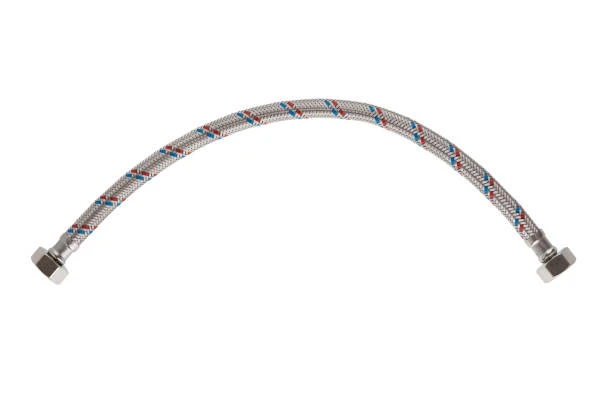
The core structure features:
- An inner tube (typically nylon or other thermoplastics) for smooth fluid flow
- A middle reinforcement layer of woven nylon fibers
- Often an additional outer cover for extra protection
What this means for users:
- You get hoses that withstand pressures up to 3000 PSI in some models
- They maintain flexibility even in tight spaces
- The construction resists kinking that can restrict flow
- You benefit from lightweight yet durable solutions
- They outperform rubber in many applications
Key user benefits:
- Longer service life means fewer replacements
- Consistent performance under varying conditions
- Easy to handle and install compared to metal alternatives
- Cost-effective over the total lifecycle
- Available in various sizes for different flow requirements
Practical Applications Across Industries
Automotive Technicians Use Them For:
- Fuel line replacements that last longer than OEM rubber hoses
- Brake system upgrades for performance vehicles
- Coolant system modifications in custom builds
Industrial Maintenance Teams Rely On Them For:
- Hydraulic system repairs in manufacturing equipment
- Pneumatic tool connections that endure constant movement
- Lubrication system upgrades to reduce downtime
Aerospace and Marine Professionals Choose Them For:
- Lightweight fuel system components
- Critical hydraulic connections
- Space-saving solutions in tight engine compartments
HVAC and Plumbing Contractors Prefer Them For:
- Refrigerant lines that resist cracking
- Water supply connections in commercial systems
- Compressed air lines in shop environments
Making the Right Choice for Your Needs
When selecting a nylon braided hose, smart users consider:
Fluid transfer applications:
- Verify chemical compatibility charts
- Check temperature ratings for your environment
- Ensure the ID (inner diameter) matches flow requirements
Pneumatic uses:
- Confirm pressure ratings exceed your maximum operating pressure
- Consider flexibility needs for moving equipment
- Look for abrasion resistance if routing near other components
Specialty applications:
- Food-grade versions for processing equipment
- Static-dissipative models for flammable environments
- High-purity options for medical or pharmaceutical uses
Final Recommendations for Users
After working with countless professionals, we've learned that the most satisfied users:
- Never compromise on quality - pay slightly more for better materials
- Always keep spare hoses for critical systems
- Follow manufacturer guidelines for installation and maintenance
- Document installation dates for preventive replacement scheduling
- Train staff on proper handling to maximize hose life
Remember that while nylon braided hoses cost more initially than some alternatives, their durability and performance typically make them the most economical choice over time. Consult with suppliers about your specific application - they can often recommend the perfect hose solution you might not have considered.
By understanding these hoses from a user perspective, you'll make better selections, experience fewer problems, and ultimately save time and money on your projects. Whether you're maintaining existing systems or designing new ones, nylon braided hoses offer solutions that simply work.