
Introduction
Nylon braided hoses play a vital role in modern industrial and mechanical systems, offering unmatched durability and performance where ordinary hoses fail. These reinforced hoses combine flexibility with extreme strength, making them indispensable components in automotive, hydraulic, and manufacturing applications. This comprehensive guide explains why nylon braided hoses are so important. Detailing their unique characteristics.Common uses, and advantages over traditional hose materials.
FAQs About Nylon Braided Hose
- Why choose nylon braided hoses over rubber or metal alternatives?
Nylon braided hoses provide the perfect balance between rubber's flexibility and metal's strength while being significantly lighter and more resistant to wear and chemicals. - How does the braided design improve hose performance?
The woven nylon layer reinforces the hose structure, preventing expansion under pressure while maintaining flexibility and protecting against abrasion and external damage. - Are these hoses suitable for high-pressure applications?
Absolutely. The braided construction allows them to withstand much higher pressures than standard hoses without bursting or leaking. - What maintenance do nylon braided hoses require?
They need minimal maintenance compared to other hoses, thanks to their resistance to cracking, UV damage, and most chemicals. - Can they be used in outdoor or extreme environments?
Yes, their excellent temperature tolerance and weather resistance make them ideal for both indoor and outdoor applications in various climates.
Defining Features and Critical Advantages
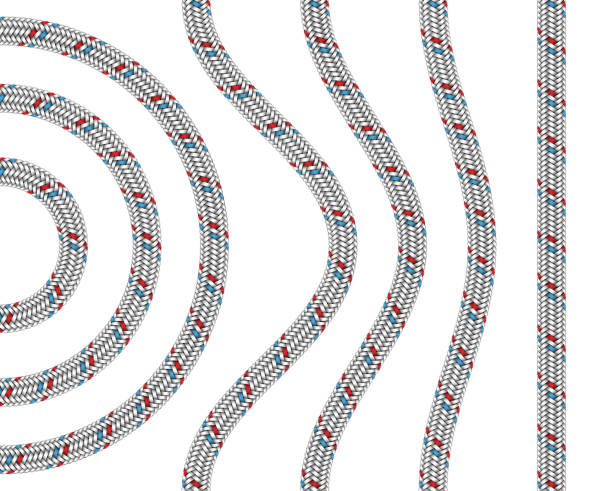
Nylon braided hoses consist of an inner thermoplastic tube encased in a woven nylon sheath. Creating a structure that excels in demanding conditions. The inner tube provides a smooth flow path while the braided reinforcement adds tremendous strength without sacrificing flexibility.
Key advantages that make these hoses essential include:
Superior burst strength that prevents failures in high-pressure systems
Excellent kink resistance that maintains consistent fluid flow
Lightweight construction that reduces system weight and eases installation
Outstanding chemical compatibility with oils, fuels, and hydraulic fluids
Temperature resilience from -40°F to 300°F (-40°C to 150°C)
Long service life that reduces replacement frequency and downtime
Vital Applications Across Industries
The unique combination of properties makes nylon braided hoses critical components in numerous sectors:
Automotive Systems:
Fuel lines that demand chemical resistance
Brake systems requiring reliability under pressure
Turbocharger connections needing heat tolerance
Industrial Machinery:
Hydraulic power units in manufacturing plants
Pneumatic tools requiring flexible air supply lines
Material handling equipment with moving parts
Aerospace and Defense:
Aircraft hydraulic control systems
Ground support equipment connections
Lightweight fluid transfer solutions
Energy Sector:
Oil and gas instrumentation lines
Hydraulic fracturing equipment
Renewable energy system components
Medical Technology:
Specialized models for medical gas delivery
Laboratory equipment fluid handling
Durable connections in diagnostic machines
Why Nylon Braided Hoses Are Indispensable
The importance of nylon braided hoses becomes clear when examining their role in maintaining efficient, safe operations across multiple industries. Their ability to withstand extreme conditions while maintaining performance makes them superior to traditional rubber or metal hoses in most applications.
These hoses solve critical challenges in modern engineering:
They prevent costly downtime by resisting wear and failure
They enhance safety by containing hazardous fluids under pressure
They improve system efficiency through consistent flow characteristics
They reduce maintenance costs through extended service life
They enable innovative designs with their combination of strength and flexibility
conclusion
As technology advances and systems become more demanding, nylon braided hoses continue to prove their worth as essential components in everything from everyday vehicles to cutting-edge industrial equipment. Their unique combination of properties ensures they will remain a preferred solution for fluid and gas handling challenges across multiple sectors.