
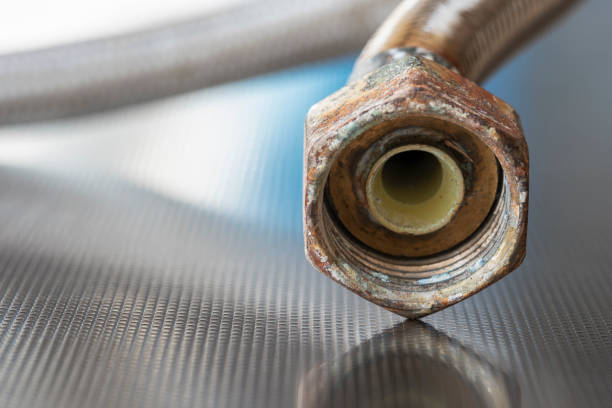
1. Introduction: Redefining Excellence in Fluid Handling Systems
In today's demanding industrial landscape, silicone braided hoses have emerged as the benchmark for reliable fluid transfer solutions. Combining advanced material science with precision engineering, these hoses offer unmatched durability and versatility across diverse applications. Manufacturers specializing in silicone braided hose production prioritize three core principles: material purity, structural integrity, and regulatory compliance. By integrating platinum-cured silicone with reinforced braiding, modern hoses achieve exceptional temperature resistance (-40°C to 220°C) while maintaining flexibility under pressure. This unique combination positions silicone braided hoses as the preferred choice for industries requiring stringent hygiene standards and operational reliability.
2. Frequently Asked Questions (FAQ)
Q1: What makes silicone braided hoses superior to conventional rubber hoses?
A1: Unlike traditional rubber hoses, silicone braided hoses utilize platinum-cured silicone that eliminates peroxide byproducts, ensuring complete biocompatibility. The polyester braiding reinforcement enhances pressure resistance up to 30bar while maintaining kink resistance. This construction prevents collapse under vacuum conditions, making them ideal for critical applications in medical devices and food processing equipment.
Q2: Are these hoses suitable for high-temperature automotive applications?
A2: Absolutely. The temperature-resistant properties allow continuous operation in engine compartments where temperatures exceed 200°C. Automotive manufacturers utilize these hoses for turbocharger connections, coolant systems, and fuel lines due to their ability to withstand thermal cycling without degradation.
Q3: How do manufacturers ensure compliance with food safety regulations?
A3: Reputable producers implement multi-stage quality control:
- Use FDA-compliant silicone raw materials
- Conduct cell toxicity tests per USP Class VI standards
- Maintain ISO 22000 certification for food safety management
- Provide batch-specific certification documents
Q4: Can these hoses resist aggressive chemicals?
A4: The platinum-cured silicone matrix demonstrates excellent resistance to oils, solvents, and acidic/alkaline solutions. Specific formulations achieve chemical compatibility with automotive fluids (ATF, engine oil) and industrial chemicals (ethanol, glycerin), with burst pressure ratings maintained above 30bar in harsh environments.
Q5: What customization options are available for specialized applications?
A5: Manufacturers offer extensive customization:
- Bore sizes from 4mm to 150mm
- Multiple braiding densities (1-ply to 4-ply)
- Custom color coding for industry-specific identification
- Specialized end fittings (stainless steel clamps, quick-connect couplings)
3. Technical Definition and Distinctive Features
Silicone braided hoses consist of a seamless silicone tube reinforced with polyester or aramid fiber braiding. The manufacturing process involves:
- Extruding pure silicone rubber into tubular form
- Applying braiding reinforcement under precise tension
- Vulcanizing the assembly in high-temperature ovens
- Conducting 100% pressure testing
Key advantages include:
- Temperature Stability: Maintains flexibility from -40°C to 220°C without hardening or cracking
- Pressure Resistance: Withstands operating pressures up to 16bar (232 psi)
- Biocompatibility: Passes ISO 10993 cytotoxicity testing for medical applications
- UV Resistance: Retains properties after prolonged exposure to sunlight
- Ozone Resistance: Unaffected by atmospheric ozone concentrations
4. Industrial Applications and Market Segments
Automotive Sector
- Turbocharger intercooler connections
- High-temperature coolant lines
- Fuel injection systems
- Emission control components
Food & Beverage Industry
- Dairy processing equipment
- Brewery transfer lines
- Bottling plant connections
- CIP (Clean-in-Place) systems
Medical Field
- Dialysis machine tubing
- Surgical tool fluid paths
- Pharmaceutical manufacturing
- Bioreactor perfusion systems
Industrial Uses
- Chemical solvent transfer
- HVAC systems
- Marine engine components
- Aerospace fluid handling
5. Quality Assurance and Certification
Leading manufacturers adhere to rigorous quality protocols:
- Material Control: Only virgin silicone compounds from certified suppliers
- Traceability: Laser-etched batch numbers for full production tracking
- Testing Regimens:
- Burst pressure tests at 3x working pressure
- Thermal aging studies (168 hours at 220°C)
- Flex fatigue testing (500,000+ cycles)
- Certifications:
- FDA 21 CFR 177.2600
- USP Class VI
- EC 1935/2004
- 3-A Sanitary Standards
6. Environmental and Economic Benefits
The long service life of silicone braided hoses (typically 5-8 years in industrial settings) reduces replacement costs and environmental waste. Their energy efficiency stems from:
- Smooth inner bore minimizing flow resistance
- Thermal stability reducing insulation requirements
- Lightweight construction lowering transportation emissions
Recycling programs for end-of-life hoses further enhance sustainability, with some manufacturers achieving 90% material recovery rates.
7. Conclusion: The Future of Fluid Transfer Technology
As industries demand ever-higher performance standards, silicone braided hoses continue to evolve through innovations like:
- Nano-reinforced braiding for lighter yet stronger structures
- Antimicrobial coatings for healthcare applications
- Smart sensors embedded in hose walls for real-time pressure monitoring
Manufacturers committed to vertical integration - controlling everything from silicone formulation to final testing - will lead this market segment. By prioritizing material purity, regulatory compliance, and customer-specific customization, silicone braided hoses will remain indispensable in critical fluid handling systems worldwide. This commitment to excellence ensures they meet not just current industry demands but also anticipate future challenges in an ever-evolving technological landscape.