
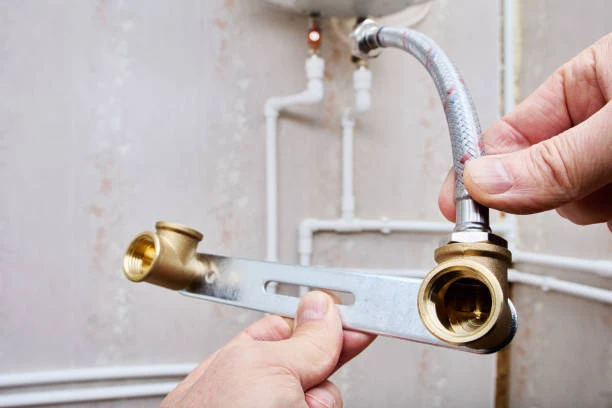
The global industrial sector relies heavily on metal pipe braid hoses for critical applications, creating a robust international trade market. Shipping these valuable components via sea freight is the most cost-effective method for moving large volumes across continents. However, their specific characteristics demand careful logistical planning to ensure they arrive in perfect condition. This comprehensive guide details the entire process of ocean freight for metal pipe braid hoses, covering key definitions, packaging best practices, customs considerations, and answers to frequent shipper questions. Understanding these elements ensures a smooth, efficient, and damage-free supply chain for exporters and importers alike.
Basic Definition and Key Characteristics
Metal pipe braid hoses are flexible conduits designed for conveying fluids, gases, and sometimes solids under high pressure, temperature, or vacuum conditions. Manufacturers typically construct them with a corrugated inner core made of stainless steel, which they then reinforce with one or more layers of braided steel wire for strength. This design grants them exceptional durability, resistance to corrosion, and the ability to absorb vibration and movement.
These very traits that make them industrially invaluable also present unique challenges for sea freight. The hoses are heavy, especially in large diameters or with multiple braids, impacting container weight limits. Their flexibility means they require proper support to prevent kinking or deformation during a long voyage. Furthermore, the stainless steel material, while corrosion-resistant, can still suffer from pitting or surface staining if exposed to salty, humid marine air for extended periods without adequate protection. Therefore, shippers must account for weight, securing, and environmental control throughout the shipping process.
Frequently Asked Questions (FAQ)
1. What is the best way to package metal braided hoses for ocean transport?
The optimal packaging depends on the hose size and value. Manufacturers typically coil smaller-diameter hoses and place them in sturdy cardboard or wooden boxes, using separators to prevent tangling. They often ship larger, rigid hoses straight and secure them on wooden crates or pallets.
2. How should I stuff a container to prevent damage?
Proper container stuffing is vital. Workers should never throw or drop coils. They must stack boxes securely on pallets and use straps to prevent shifting. For long, straight hoses, they need to use dunnage like airbags or wooden braces to fill void spaces and prevent the load from moving during the ship's rolling motion.
3. What HS code do I use for customs declaration?
The Harmonized System (HS) code classifies products for customs. Metal pipe braid hoses typically fall under HS code 4009.XX (Tubes, pipes and hoses, of vulcanized rubber other than hard rubber, with or without their fittings) if they have a rubber lining, or more commonly, HS code 8307.XX (Flexible tubing, of base metal, with or without fittings). However, the exact code can vary slightly by country and the hose's specific construction.
4. What insurance considerations are important?
Marine cargo insurance is highly recommended. When arranging coverage, you should explicitly declare the value of the goods and ensure the policy covers "all risks" of physical loss or damage from external causes, including rough handling, seawater damage, and theft. Documenting the packaging process with photos provides valuable evidence in case you need to file a claim.
5. How long does sea freight typically take?
Transit times vary dramatically based on the origin, destination, and service type. For example, a standard shipment from a major port in China to a West Coast port in the USA might take 15-20 days. The same shipment to a major European port like Rotterdam could take 30-35 days. You must remember that these estimates only cover the time on the water.
Common Uses and Application Industries
People use metal pipe braid hoses in numerous industries because of their reliability under stress. In the oil and gas sector, they are indispensable for high-pressure fuel lines, chemical transfer, and offshore drilling rig applications. The automotive industry uses them for hydraulic brake lines and power steering systems. Furthermore, manufacturing plants integrate them into machinery for supplying steam, coolant, and hydraulic power.
The pharmaceutical and food processing industries often specify stainless steel hoses for their sanitary properties and ease of cleaning. In power generation, these hoses handle extreme temperatures and pressures in steam and coolant lines. This widespread use means that sea freight shipments are constantly moving from manufacturing hubs in Asia, Europe, and North America to industrial centers worldwide. Each industry may have specific packaging or certification requirements for its hoses, which shippers must know before arranging transportation.
Conclusion
In conclusion, shipping metal pipe braid hoses via sea freight requires a detailed and proactive approach. Success hinges on understanding the product's physical properties and how a long maritime journey can affect them. From selecting the right protective packaging and securing the container load to navigating complex customs codes and securing appropriate insurance, every step is crucial. By partnering with experienced freight forwarders and adhering to best practices, businesses can reliably and efficiently move these essential industrial components across the globe. Mastering this process ensures that these critical parts support global industry without failure, arriving on time and in perfect working condition.