
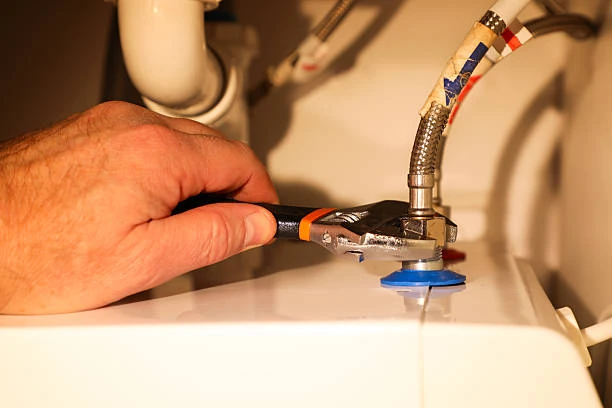
Metal pipe braid hoses are engineering marvels designed to handle extreme pressures, temperatures, and dynamic stresses in industrial applications. Their superior performance and reliability stem from a sophisticated multi-layer construction that combines flexibility with immense strength. Understanding the composition of these hoses is crucial for engineers, procurement specialists, and maintenance personnel to select the right product for their specific needs. This in-depth guide explores the fundamental components that make up a metal pipe braid hose, explains how each layer contributes to its overall function. And answers common technical questions about their makeup.
Basic Definition and Key Characteristics
A metal pipe braid hose is not a simple tube but a complex assembly of several distinct layers working in harmony. At its core lies the inner corrugated tube, typically crafted from high-grade stainless steel like AISI 316 or 304. This corrugated design is the secret to the hose's flexibility, allowing it to bend, compress, and extend without failing. The corrugations also add surface area, which helps dissipate heat and absorb vibrations from connected machinery.
Surrounding the inner tube is the braided reinforcement layer, which gives the hose its name and its high-pressure capability. Manufacturers weave multiple strands of stainless steel wire into a tight, mesh-like sleeve over the corrugated core. This braid acts like a cage, containing the pressure within the hose and preventing the inner tube from expanding or bursting. Hoses often feature a single braid for medium-pressure applications or a double braid for very high-pressure duties.
Frequently Asked Questions (FAQ)
1. Why is the inner tube corrugated instead of smooth?
The corrugated structure is fundamental to the hose's functionality. The peaks and troughs of the corrugations allow the hose to flex and move easily, accommodating misalignment, vibration, and thermal expansion in a piping system.
2. What materials are most common for the inner tube and braid?
Stainless steel is the predominant material due to its excellent balance of properties. For the inner tube and braid, grade 316 stainless steel is most common because it offers superior resistance to corrosion and chemicals, especially from chlorides. Grade 304 stainless steel is a cost-effective alternative for applications with less corrosive media.
3. What is the difference between a single-braid and a double-braid hose?
The number of braided layers directly determines the pressure rating of the hose. A single-braid hose has one layer of metal wire over the inner tube and is suitable for medium-pressure applications. A double-braid hose features a second braided layer over the first, significantly increasing its strength and maximum working pressure.
4. How are the end fittings attached to the hose assembly?
End fittings are permanently attached using a process called swaging. A worker places a fitting over the end of the hose and a powerful machine uses immense pressure to compress and radially deform the fitting onto the hose.
5. Can the hoses be customized for specific needs?
Absolutely. Manufacturers frequently customize hoses by altering the material of the inner tube and braid, changing the length and diameter. Using different types of end fittings (like JIC, NPT, or flange connections), and adding features like an outer protective cover or jacketing.
Common Uses and Application Industries
The robust construction of metal pipe braid hoses makes them indispensable in industries where failure is not an option. In the oil and gas sector, they are vital for high-pressure fuel lines, chemical injection systems, and offshore drilling rig applications. Where they withstand corrosive seawater and volatile substances.
In the automotive and aerospace industries, these hoses are critical components in brake lines, power steering systems, and fuel delivery systems, where their vibration resistance is a key advantage. Furthermore, the pharmaceutical and food processing industries use specific grades of highly polished stainless steel hoses for their sanitary properties and ease of cleaning, ensuring product purity. Essentially, anywhere a system must safely convey a medium under significant pressure. Temperature, or mechanical stress, a metal pipe braid hose provides a reliable and flexible solution.
Conclusion
In summary, the exceptional capabilities of a metal pipe braid hose are a direct result of its intelligent and multi-faceted construction. The synergistic relationship between the flexible corrugated inner tube and the strong braided reinforcement. Layer creates a product that is both highly durable and remarkably adaptable. Understanding the role of each component—from the material grade to the number of braids—empowers professionals to make informed decisions, ensuring optimal performance and safety in critical applications. This knowledge underscores why these hoses remain a preferred choice for engineers across the energy. Manufacturing, transportation, and processing industries, proving that robust design is the foundation of reliability.