
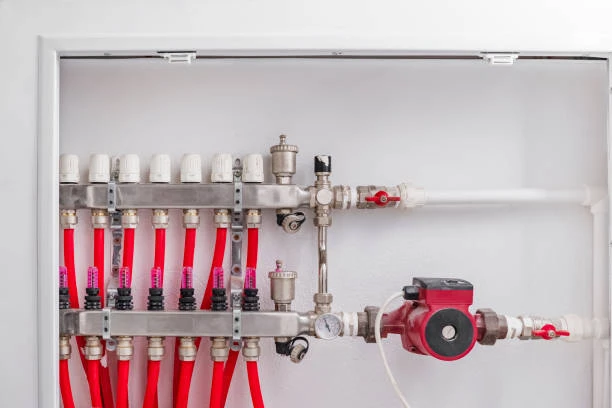
Underfloor heating pipework installation requires precision and expertise to ensure optimal system performance and energy efficiency. This comprehensive process involves careful planning, proper material selection, and meticulous execution to create a reliable heating solution that delivers consistent comfort. This guide explores the essential aspects of underfloor heating pipe installation, covering design considerations, installation techniques, and testing procedures. Understanding these installation principles helps homeowners, contractors, and designers achieve successful underfloor heating systems that provide even heat distribution, reduced energy consumption, and long-term reliability. From subfloor preparation to final commissioning, each installation step contributes to the overall system performance and customer satisfaction.
Basic Definition and Key Characteristics
Underfloor heating pipework installation involves positioning heating pipes in specific patterns across the floor area before covering them with screed or floor finishes. The process typically uses flexible cross-linked polyethylene (PEX) pipes that offer excellent heat transfer properties and durability. Installers follow precise layout patterns including serpentine, spiral, or double serpentine designs to ensure even heat distribution across the entire floor surface. The installation requires proper pipe spacing calculations based on heat loss requirements, typically ranging from 100mm to 300mm between pipes. Professionals use specialized mounting systems including clip rails, insulation panels with pre-formed channels, or wire mesh to secure pipes in position. The system includes careful installation of expansion joints around perimeter areas and between different room zones to accommodate thermal movement. Proper installation ensures pipes maintain constant curvature without kinking or exceeding minimum bend radius requirements.
Common Uses and Application Industries
Underfloor heating pipework installation serves diverse applications across multiple sectors. Residential projects include new construction homes, renovation projects, and apartment buildings where space saving and comfort are priorities. Commercial installations cover office buildings, retail spaces, and hotels that benefit from efficient zone heating and reduced operational costs. Industrial applications involve warehouses, production facilities, and sports complexes where large-area heating provides practical solutions. The healthcare industry utilizes these systems in hospitals and care facilities for hygienic and comfortable environments. Educational institutions implement underfloor heating in schools and universities for improved learning environments. Specialized applications include historic building renovations where traditional radiators might compromise aesthetics. Each sector requires tailored installation approaches that consider specific usage patterns, occupancy requirements, and architectural constraints while maintaining core installation principles for optimal system performance.
Frequently Asked Questions (FAQ)
1. What preparation work precedes pipe installation?
Installers must ensure the subfloor is clean, level, and dry before beginning work. They install insulation layers appropriate for the specific application, followed by vapor barriers if required. The preparation stage includes marking pipe layout patterns and establishing accurate reference points for proper pipe spacing.
2. How do installers prevent pipe damage during installation?
Professionals use proper uncoiling techniques and avoid sharp bends that exceed the pipe's minimum bend radius. They maintain clean work areas free from sharp objects and use protective footwear when working around installed pipes. Installers also avoid dragging pipes across rough surfaces and use appropriate tools for cutting and handling.
3. What are the key considerations for pipe spacing?
Pipe spacing depends on heat loss calculations, room usage, and floor covering types. General guidelines suggest 100-150mm spacing for areas with higher heat loss and 200-300mm for better-insulated spaces. Installers adjust spacing near exterior walls and windows where heat demand increases, ensuring consistent surface temperatures throughout the room.
4. How should pipes be connected to manifolds?
Installers use proper pipe cutting tools to create clean, square ends before connecting to manifold ports. They ensure adequate pipe length for future serviceability and use manufacturer-recommended connection methods. Each circuit connection includes proper labeling and flow measurement device installation for system balancing.
5. What testing procedures follow installation?
After installation, professionals conduct pressure tests at 1.5 times working pressure for at least 30 minutes, followed by a 24-hour test at operating pressure. They perform visual inspections for proper pipe positioning and check all connections for leaks. The testing phase includes documentation of all results for future reference and warranty purposes.
Conclusion
Proper underfloor heating pipework installation forms the foundation of an efficient and reliable heating system that delivers long-term comfort and energy savings. The installation process requires careful attention to detail at every stage, from initial planning and subfloor preparation to final testing and commissioning. Following manufacturer guidelines and industry best practices ensures optimal system performance and prevents common installation errors that could affect heating efficiency. As underfloor heating technology continues to evolve, installation methods and materials improve, offering better performance and easier installation processes. By understanding and implementing proper installation techniques, contractors can provide customers with high-quality heating solutions that meet modern comfort expectations while reducing energy consumption. The investment in professional installation ultimately pays dividends through reliable operation, minimal maintenance requirements, and consistent comfort throughout the building's lifespan.