
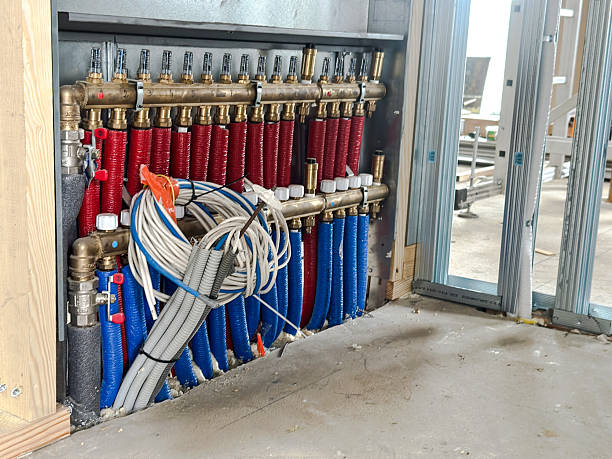
Underfloor heating pipework cleaning represents a vital maintenance practice that ensures system efficiency, longevity, and optimal performance. Regular cleaning prevents flow restrictions, maintains heat transfer efficiency, and protects system components from damage caused by debris and corrosion. This comprehensive guide explores the importance of cleaning underfloor heating pipework, examining various cleaning methods, recommended frequencies, and the benefits of proper maintenance. Understanding these cleaning procedures helps homeowners, facility managers, and maintenance professionals preserve their heating systems' performance and avoid costly repairs. From chemical flushing to mechanical cleaning options, proper maintenance practices keep underfloor heating systems operating at peak efficiency while extending their service life and maintaining energy savings.
Basic Definition and Key Characteristics
Underfloor heating pipework cleaning involves removing debris, sludge, and corrosion products from the internal surfaces of heating pipes and components. The process typically uses specialized cleaning equipment that circulates cleaning solutions through the system to dissolve and remove accumulated deposits. Professional cleaning methods include power flushing with high-velocity water, chemical cleaning with descaling solutions, and air purging techniques. These methods effectively remove magnetic and non-magnetic particles, lime scale, and organic deposits that accumulate over time. The cleaning process also involves filter maintenance, manifold inspection, and component cleaning to ensure complete system maintenance. Regular cleaning maintains hydraulic balance, ensures proper flow rates, and prevents localized cold spots in the heating system. Proper cleaning procedures always include pre-cleaning system assessment, controlled chemical application, and post-cleaning performance verification to ensure optimal results.
Common Uses and Application Industries
Underfloor heating pipework cleaning services benefit various sectors where heating system efficiency and reliability matter. Residential homeowners schedule cleaning to maintain heating performance and reduce energy bills in single-family homes and apartments. Commercial building managers implement regular cleaning programs for office buildings, shopping centers, and hotels where consistent heating affects customer comfort and operational costs. Industrial facilities utilize professional cleaning services for warehouses and manufacturing plants where heating system downtime impacts operations. The healthcare industry maintains strict cleaning schedules for hospitals and care facilities where reliable heating supports patient comfort and medical environment requirements. Educational institutions include pipework cleaning in their maintenance programs for schools and universities to ensure comfortable learning environments. Property management companies establish preventive cleaning schedules for rental properties and housing complexes to maintain property value and tenant satisfaction. Each sector follows specific cleaning protocols based on system usage, water quality, and operational requirements.
Frequently Asked Questions (FAQ)
1. How often should underfloor heating pipework undergo cleaning?
Most systems benefit from professional cleaning every 2-3 years, depending on water quality and system usage. Systems with older radiators or known water quality issues may require annual cleaning. Regular monitoring of system performance helps determine the optimal cleaning frequency for each installation.
2. What signs indicate the need for pipework cleaning?
Common indicators include reduced heating efficiency, uneven heat distribution, unusual noises from the system, and longer heating times. Visible signs include discolored water during bleeding procedures and cold spots on floors despite adequate system operation.
3. Can homeowners perform basic cleaning themselves?
While homeowners can perform simple maintenance like filter cleaning, professional cleaning requires specialized equipment and expertise. DIY attempts may damage system components or provide incomplete cleaning. Professionals use pH-neutral cleaners and proper disposal methods that ensure effective and safe cleaning.
4. What cleaning methods do professionals use?
Professionals typically employ power flushing with dedicated machines that circulate cleaning solutions at controlled velocities. Chemical cleaning uses specially formulated descalers that dissolve mineral deposits without damaging pipe materials. Some situations may require mechanical cleaning methods for severe blockages.
5. How long does the cleaning process typically take?
A standard residential system cleaning requires 4-8 hours, depending on system size and contamination level. Complex systems or those with severe blockages may need additional time. The process includes pre-inspection, cleaning, rinsing, and final testing to ensure complete system maintenance.
Conclusion
Regular cleaning of underfloor heating pipework maintains system efficiency, prevents damage, and ensures consistent heating performance throughout the system's lifespan. Proper cleaning procedures remove harmful deposits that reduce heat transfer efficiency and cause component wear. Establishing a regular cleaning schedule based on system usage and water quality helps prevent major issues and maintains optimal operation. Professional cleaning services provide the expertise and equipment necessary for thorough maintenance that protects your investment in underfloor heating technology. As systems age, consistent cleaning becomes increasingly important for maintaining performance and avoiding costly repairs. By understanding the importance of pipework cleaning and implementing appropriate maintenance schedules, system owners can enjoy reliable heating, reduced energy costs, and extended system longevity. The commitment to proper cleaning practices ultimately ensures that underfloor heating systems continue to provide comfortable, efficient heating for years to come.